



19 Apr , 14:27
0
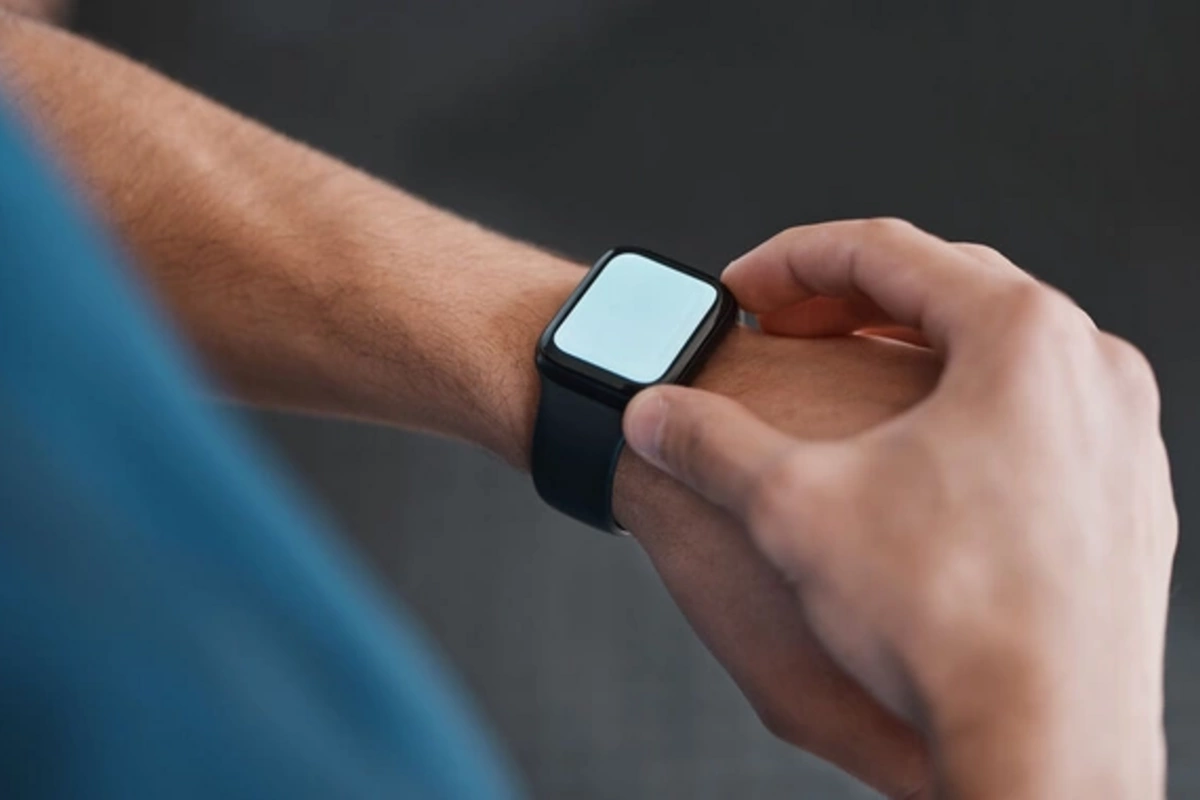
High stress readings on a smartwatch don't always indicate a psychological breakdown — behind the alarming numbers on the screen could be something as simple as a cup of coffee or poor sleep, explained Russian researcher Arseny Buryakov.
As reported by TUT.AZ with reference to "Gazeta.Ru," when a gadget issues an alarming notification about elevated stress, it relies not on psychological analysis but on a very specific physiological parameter — heart rate variability. In a calm state, the intervals between heartbeats slightly "fluctuate," but as soon as the body switches into a heightened activity mode — due to anxiety, physical exertion, or simple sleep deprivation — the sympathetic division of the autonomic nervous system kicks in, and adrenaline and cortisol are released into the bloodstream.
As the specialist explained, in such moments the heart begins to beat more evenly, the intervals between contractions become uniform, and variability drops. It is precisely this decrease that the device's algorithms interpret as a high level of physiological stress.
According to the scientist, behind the scenes of these measurements is an optical sensor on the wrist: an LED illuminates the tissues, and a detector captures changes in reflected light with each pulse wave. The resulting signal undergoes digital processing — the system filters out interference that may arise from hand movement, loose contact with the skin, or ambient lighting. Based on the cleaned data, variability indicators and a regulatory systems tension index are calculated.
At the same time, Western specialists point out that the accuracy of such measurements drops significantly if the bracelet doesn't fit snugly against the wrist or the user is actively moving — in these cases, the signal becomes distorted, and the results along with it.
Buryakov specifically emphasized: a high number on a gadget's screen is not a diagnosis and not a reason to panic. It merely signals that the body is currently operating in a heightened tension mode.
Among the possible causes of such a state, the researcher listed emotional distress, sleep deprivation, dehydration, caffeine consumption, intense workouts, and even early stages of illness. All these factors trigger the same mechanism — activation of the sympathetic nervous system. Therefore, as the specialist advises, it is far more appropriate to track the readings over time: one-time values cannot provide a complete picture of what is actually happening with the body.