





15 Apr , 21:36
0
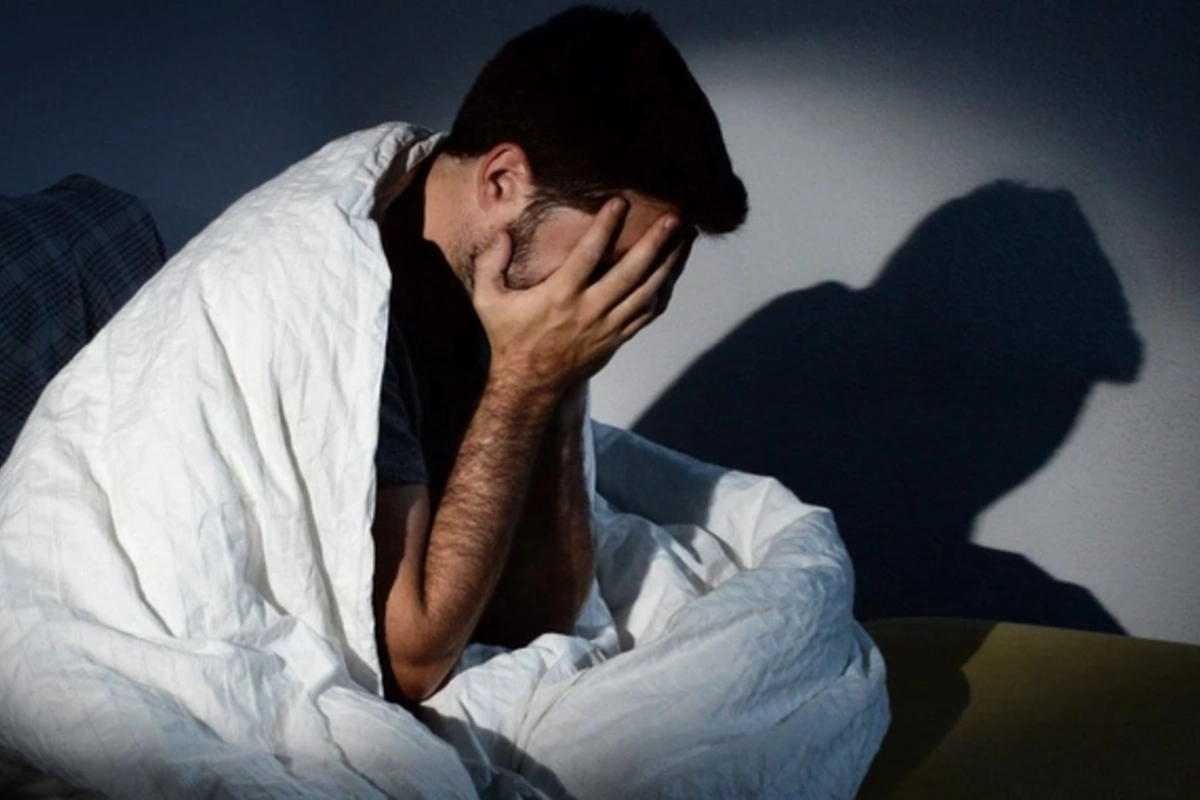
Dreams can fundamentally alter a person's emotional state for the entire upcoming day, and the habit of suppressing feelings in everyday life is directly linked to an increase in nightmares. This was established by researchers from the University of Kansas, who published their findings in the journal Sleep.
The team of scientists set out to test the widely known "fear therapy" hypothesis — the idea that frightening dreams supposedly serve a protective function, helping a person process anxieties and reduce stress levels after waking. However, the data obtained did not confirm this theory in its conventional form.
More than 500 volunteers were recruited to participate in the study. The content of their dreams was analyzed using artificial intelligence algorithms that assessed the emotional tone of the narratives. The scientists then compared how experiences during sleep were reflected in the participants' morning mood.
The findings proved unexpected: vivid fears in dreams were more often accompanied by a worsening of mood the following day, rather than an improvement. Additionally, it was found that people who tend to suppress emotions while awake encounter nightmares significantly more often than others.
At the same time, the researchers identified a curious pattern: when negative and positive experiences were intertwined simultaneously in dreams, their destructive impact on morning well-being was noticeably softened. This may suggest that emotionally "multi-layered" dreams do not deliver as significant a blow to one's state after waking.
The authors of the study emphasize that a key question remains open for now: when exactly does emotional processing occur — directly during sleep or after waking, at the moment of recalling dreams. Nevertheless, the results clearly point to a close interconnection between dreams and emotional regulation, although the mechanism itself turned out to be far more complex than previously believed.