





14 Apr , 00:00
0
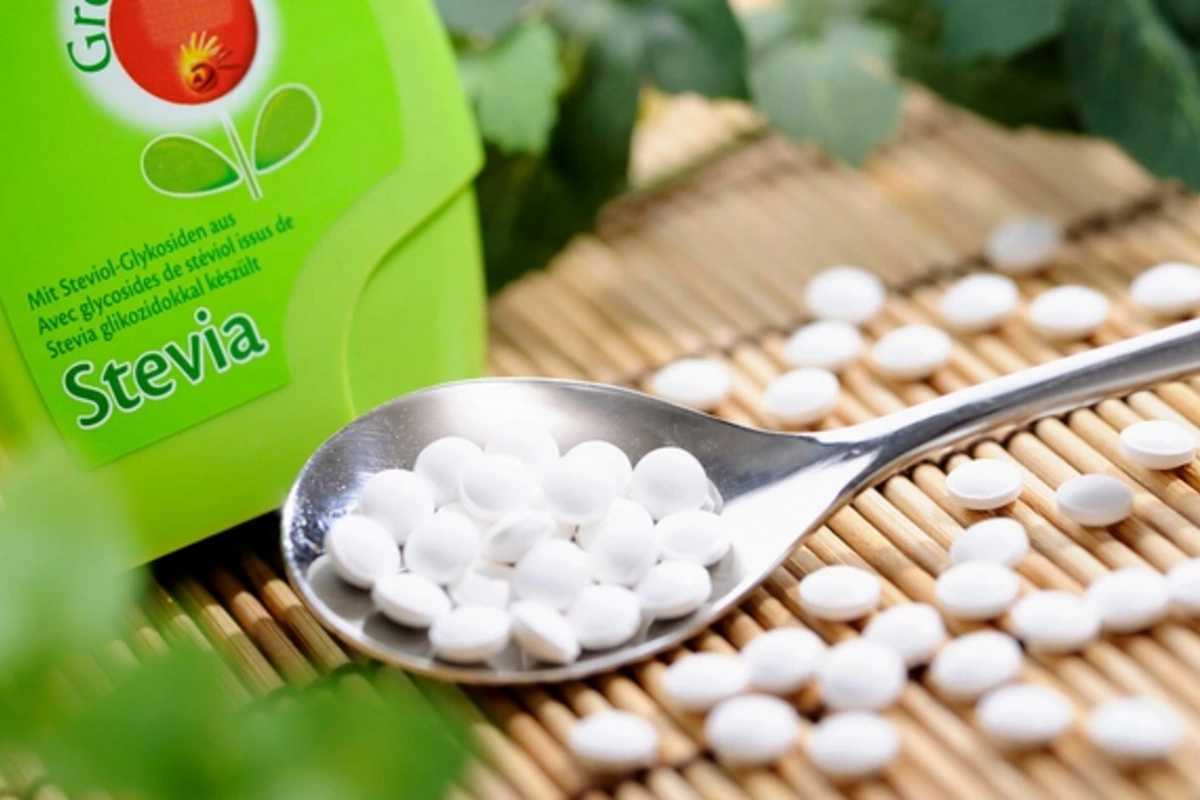
Scientists from the University of Chile have found that popular sugar substitutes can influence gene activity — and these changes are passed on to subsequent generations. Importantly, this does not involve direct inheritance of any diseases. The results of the study were published in the journal Scientia.
During the experiment, laboratory mice were divided into three groups. The first received plain water, while the other two received water with added sucralose or stevia at doses comparable to typical human consumption. Observation continued over two generations, with the offspring receiving exclusively pure water.
Metabolic shifts were detected in the pups whose parents had consumed sweeteners. Not diseases per se, but rather "subtle" biological changes — in glucose level regulation and gene function. Sucralose demonstrated the most noticeable effect: reduced glucose tolerance was recorded in the offspring of males as early as the first generation, and elevated blood sugar levels were observed in the second generation.
In addition, the researchers recorded changes in the composition of gut microflora. With sucralose consumption, the bacterial balance shifted in a less favorable direction. Stevia showed a significantly milder impact — its effects generally faded within just one generation.
According to the scientists, the observed changes are linked to epigenetic mechanisms — processes that do not affect the DNA structure itself but influence the "switching on" and "switching off" of certain genes. Such modifications can be triggered by dietary factors.
The authors of the study emphasize that the experiment was conducted on animals, and drawing direct conclusions for humans would be premature. Nevertheless, the findings point to the need for further research and call for moderation in sweetener consumption.