




14 Apr , 20:33
0
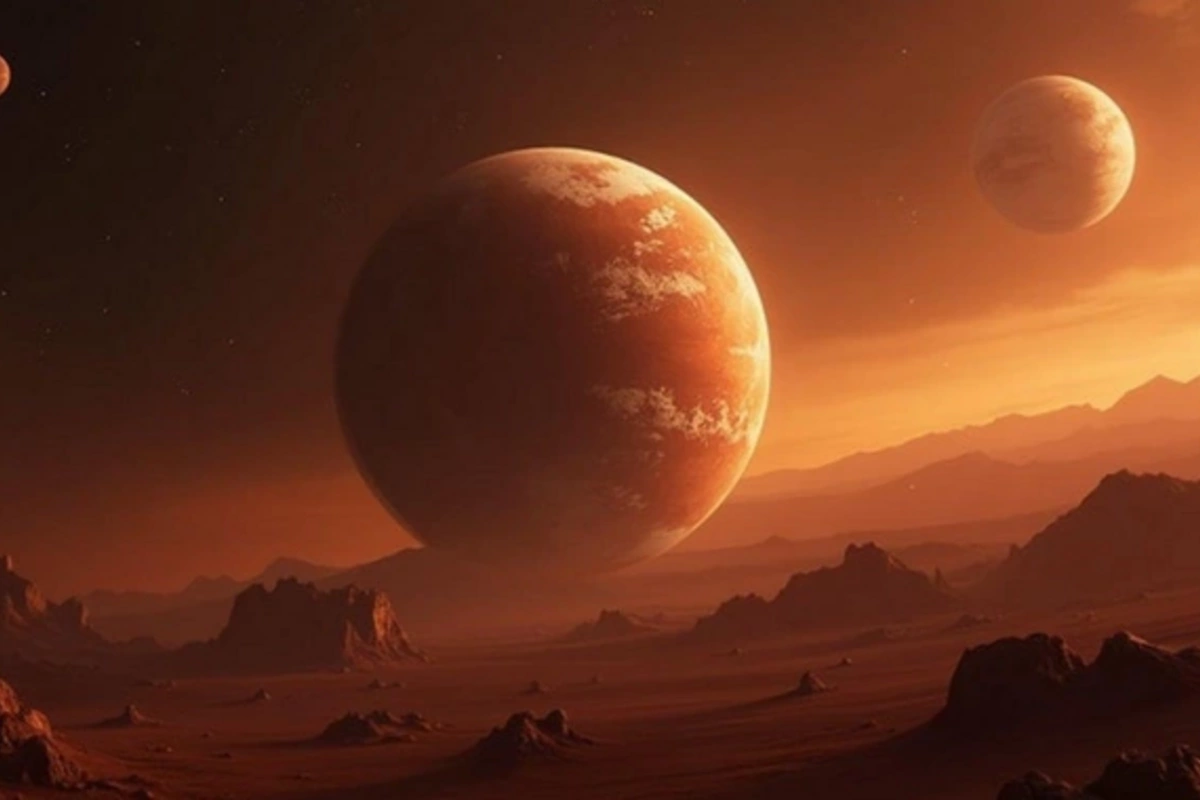
An international team of scientists has proven that simple organisms can survive under conditions closely resembling those on Mars. Even the lethal combination of powerful shock waves and toxic salts failed to destroy them. The results of the study have been published in the journal PNAS Nexus.
Mars is rightfully considered one of the most hostile planets for life in the Solar System. Among the main threats are destructive shock waves from meteorite impacts and perchlorates — aggressive salts found in abundance in Martian soil. These compounds destroy the structure of proteins and other molecules without which cells simply cannot function.
To determine whether life can withstand such harsh conditions, scientists chose the yeast Saccharomyces cerevisiae as a model organism. This microorganism is widely used in biological research due to its basic cellular mechanisms, which are similar to those operating in more complex life forms.
In laboratory conditions, the researchers recreated the Martian environment. Cells were subjected to shock waves traveling at speeds exceeding five times the speed of sound, and then treated with perchlorate solutions at concentrations comparable to those found on the Red Planet.
The results were remarkable: the yeast remained viable even after such extreme exposure. Yes, their growth slowed, but the cells did not die. Moreover, they activated defense mechanisms — so-called ribonucleoprotein condensates — which help endure stress and preserve genetic information intact.
Notably, cells lacking the ability to form such structures tolerated the exposure significantly worse. This points to the key role of these mechanisms in survival under extreme conditions.
Previously, scientists believed that the combination of mechanical and chemical factors on Mars made the existence of life virtually impossible. However, the new data suggest that microorganisms may be far more resilient than previously thought.
The study's authors emphasize that the results significantly expand our understanding of what forms of life could theoretically exist on Mars. In the future, such research will help more precisely determine where and how to search for signs of life beyond Earth.