









09 Jul , 18:14
0
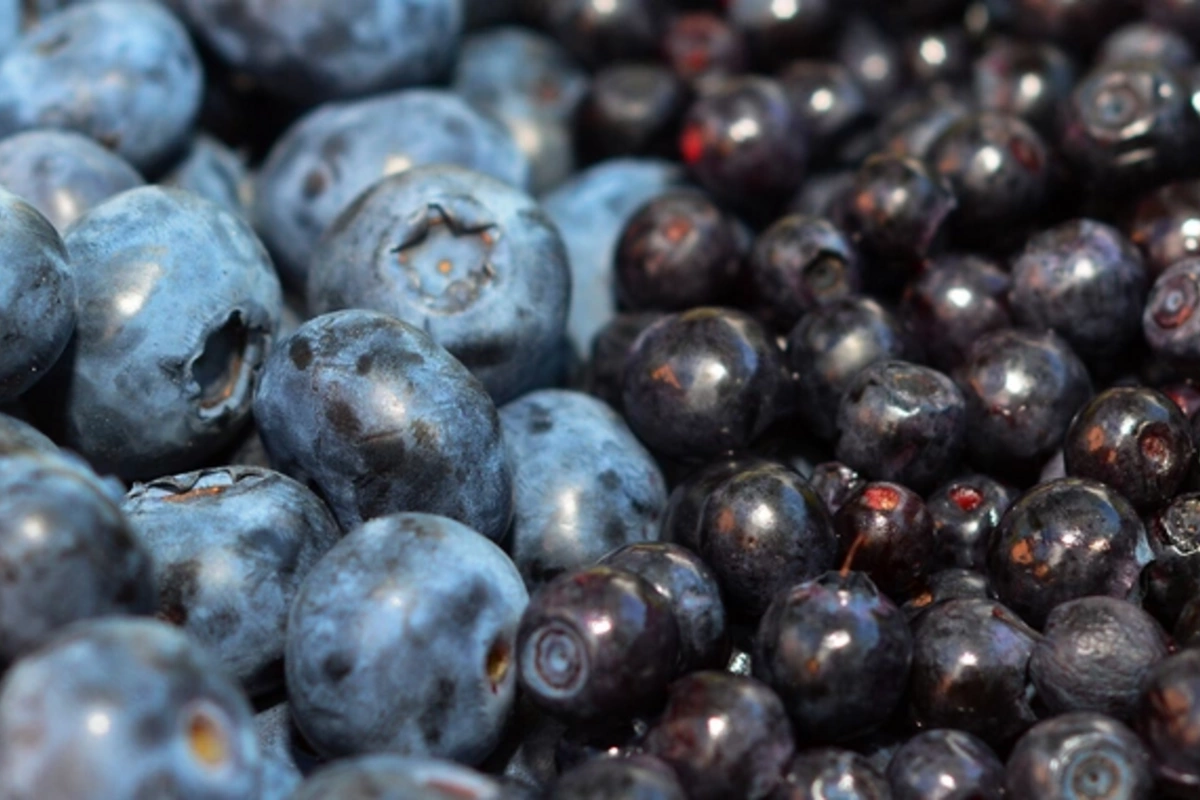
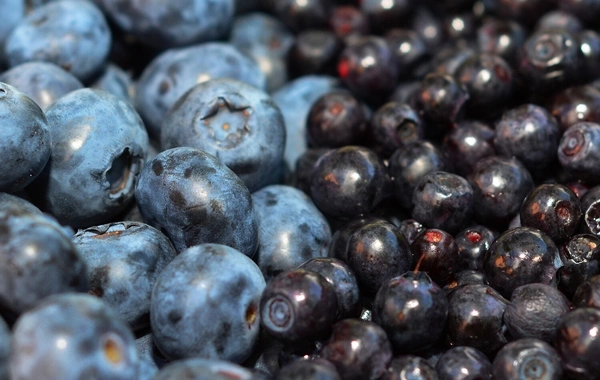
Anthocyanins — natural pigments found in bilberries and blueberries — not only protect eye cells from oxidative damage but also accelerate the regeneration of the pigment responsible for night vision. This is the conclusion reached by an international team of researchers who published a comprehensive review in the journal Food Bioscience.
Anthocyanins are plant pigments abundant in bilberries, blackberries, blackcurrants, red cabbage, and other red, blue, and purple vegetables and fruits. After analyzing data from numerous previous studies, the authors found that these compounds can reduce the risk of a wide range of eye diseases through several biological mechanisms simultaneously.
As the analysis showed, anthocyanins possess powerful antioxidant and anti-inflammatory properties. They protect retinal cells from the destructive effects of reactive oxygen species — molecules that play a key role in the development of chronic inflammation, diabetic retinopathy, and other ophthalmic pathologies.
In addition, the scientists discovered that anthocyanins improve blood microcirculation in the retina, support the function of photoreceptors, and accelerate the regeneration of rhodopsin — a light-sensitive pigment essential for the adaptation of vision to darkness. These substances also provide protection for the retinal nerve cells.
The review authors believe that regularly including anthocyanin-rich foods in one's diet could serve as an effective preventive measure against age-related eye diseases, including cataracts and age-related macular degeneration.
However, anthocyanins have a significant limitation — low bioavailability. The degree of their absorption directly depends on the composition of the gut microbiota and the dietary habits of each individual. Researchers are currently actively seeking ways to enhance the efficacy of these substances, experimenting with nanoencapsulation and combining anthocyanins with other plant compounds.