




04 Jul , 10:14
0
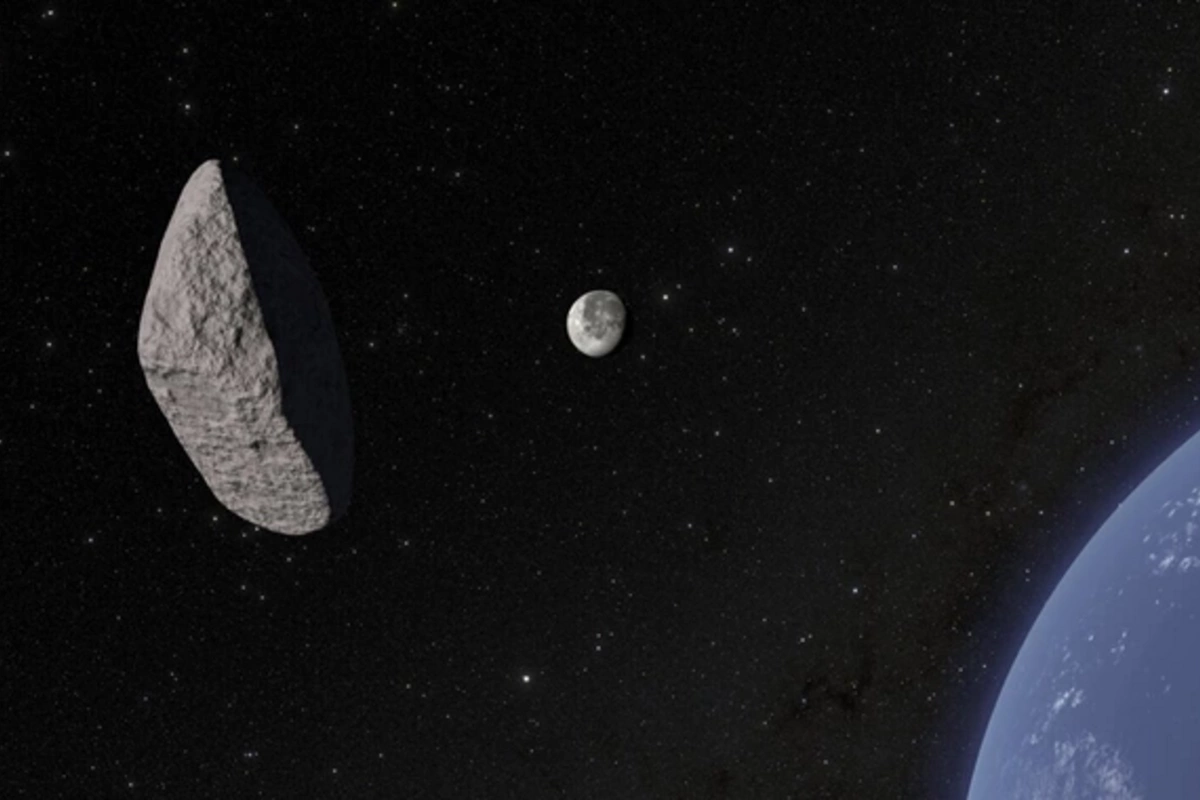
American scientists have modeled how ancient asteroid impacts fractured Earth's crust and created branching systems of hot underground springs within it — precisely the kinds of environments considered most suitable for the origin of life. The calculations have been published in the journal AGU Advances.
Hydrothermal systems are networks of underground fractures through which superheated water saturated with minerals circulates. According to leading scientific hypotheses, it was in these systems that the first organic molecules and simplest living structures may have appeared approximately four billion years ago. Today, the largest terrestrial hydrothermal system is Yellowstone National Park with its famous geysers and hot springs. Specialists from the Southwest Research Institute applied a specialized impact physics code that allows modeling how a high-velocity asteroid fractures solid rock and forms porous channels for water movement.
The results were impressive: a single large impact during the early Earth era could generate hydrothermal activity 100 times more powerful than everything today's Yellowstone Park demonstrates. The scale of the fractures formed and their water permeability — that is, their ability to allow water to pass through — were determined primarily by the size and velocity of the asteroid.
According to the calculations of the study's first author, Amanda Alexander, the upper 8 kilometers of Earth's crust exhibited high permeability approximately 4.3 billion years ago and maintained this property until 3.5 billion years ago — precisely the period when the first reliable traces of life on the planet appeared.
"The bombardment was a catastrophe from the dinosaurs' point of view, but it likely created the environment for prebiotic chemistry," the researcher noted.