




05 Jul , 14:51
0
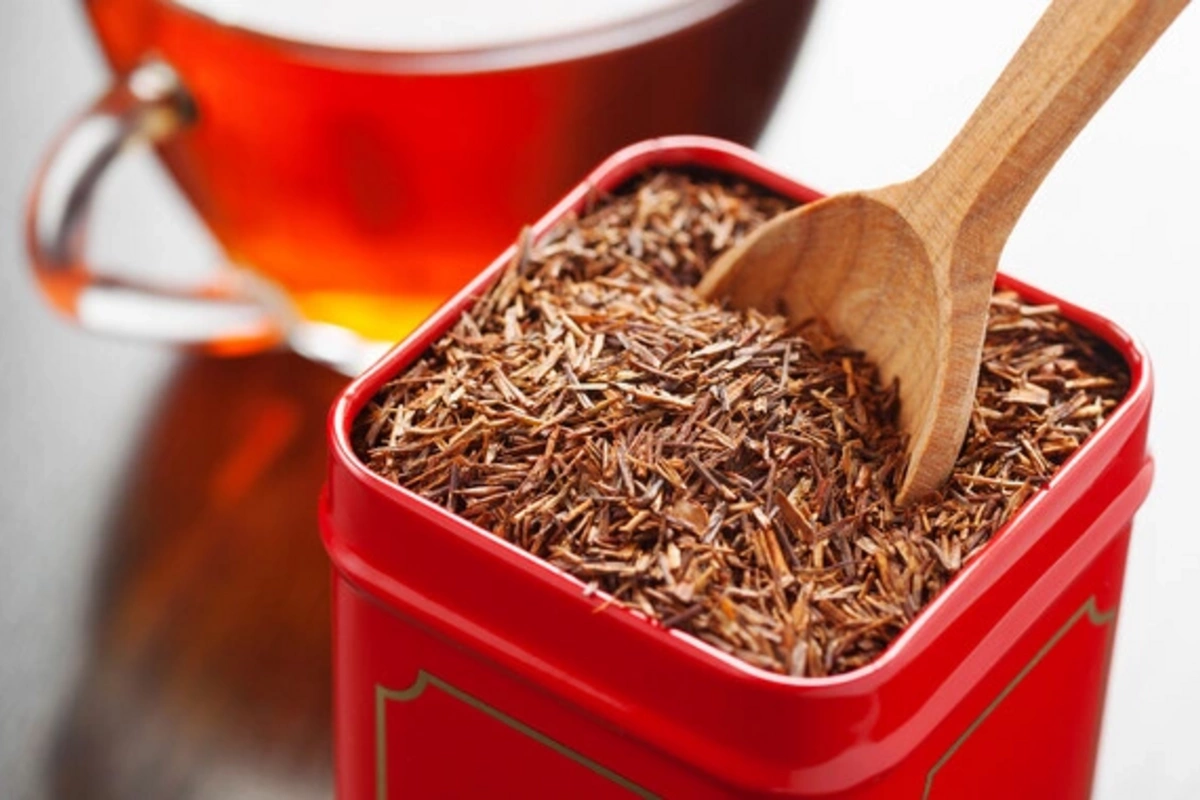
Your usual cup of tea may turn out to be a treacherous enemy of medications: pharmacists warn that the popular beverage can reduce the effectiveness of drugs and even provoke side effects.
As reported by TUT.AZ with reference to "Gazeta.Ru," Russian pharmacist Natalya Kalashnikova explained that substances contained in tea actively interact with drug components, interfering with their normal absorption in the body.
The main culprits, according to the expert, are tannins — astringent substances that give tea its familiar tart taste. These compounds literally "capture" the active components of medications, forming complexes that the intestines are virtually unable to absorb. The result — the medication passes through the digestive tract in transit, never delivering the expected therapeutic effect.
The second risk factor is caffeine. It interferes with the function of liver enzymes responsible for processing medications. The consequences can be twofold: the concentration of some drugs in the blood increases, raising the likelihood of adverse reactions, while the levels of others, conversely, drop, negating their therapeutic effect.
Iron supplements deserve special attention. Tannins impair the absorption of this microelement so severely that the effectiveness of treatment can drop by more than half.
Tea poses an equally serious threat when taking antidepressants and neuroleptics. According to the specialist, caffeine can enhance the effects of certain psychotropic drugs, which instead of the expected calming effect may result in unwanted side effects.
Antibiotics have also fallen into the risk zone. Tannins suppress their antibacterial activity, reducing the effectiveness of therapy. A similar picture is observed with anticonvulsant medications: caffeine can weaken their protective effect and increase the likelihood of seizures.
The pharmacists' recommendation is unequivocal: all medications should be taken exclusively with plain drinking water, while tea and coffee should be consumed separately. In most cases, a pause of at least 30–60 minutes should be maintained between taking a medication and having a beverage. When it comes to iron supplements or certain types of antibiotics, specialists strongly advise extending this interval to at least two hours.