
10 Jun , 12:58
0
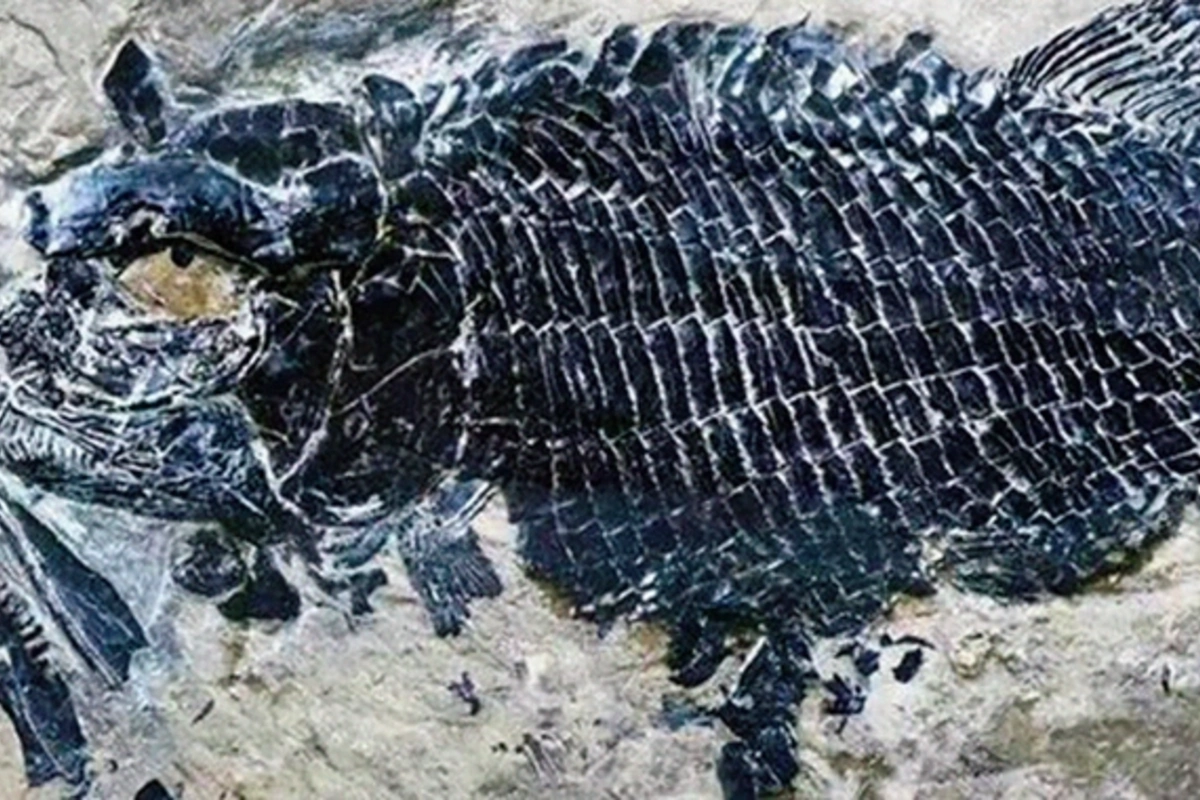
After the extinction of dinosaurs 66 million years ago, modern groups of fish rapidly seized the vacated ecological niches and established undivided dominance in the World Ocean in just a few million years.
This conclusion was reached by paleontologists who discovered unique fossils aged 62.2 million years in Egypt. The results of the study were published in the journal Science Advances.
In Egypt's Eastern Desert, researchers extracted from rock formations the remains of 21 fish species belonging to nine different orders. Among them were the oldest known representatives of several groups that remain widely distributed in the planet's seas and oceans today.
The find falls within the so-called "Patterson's Gap" — a mysterious period spanning approximately 10 million years after the asteroid impact, during which fish fossil remains are extremely rare. It was precisely due to the scarcity of paleontological data that scientists were long unable to determine which species survived the global catastrophe and exactly how modern marine ecosystems took shape.
The study demonstrated that many ancient evolutionary lineages of fish apparently did indeed perish along with the other victims of the mass extinction. They were rapidly replaced in the oceans by representatives of the perciformes — the largest group of modern fish, which includes tuna, mackerel, perch, and thousands of other species.
According to the authors of the study, it was the mass extinction that paved the way for the explosive evolution of new fish groups. The ecological niches vacated after the disappearance of previously dominant species allowed them to rapidly occupy key positions in marine ecosystems.
Additional analysis showed that the first modern fish communities most likely originated in tropical seas and only then gradually spread across the entire world.