

18 Apr , 11:14
0
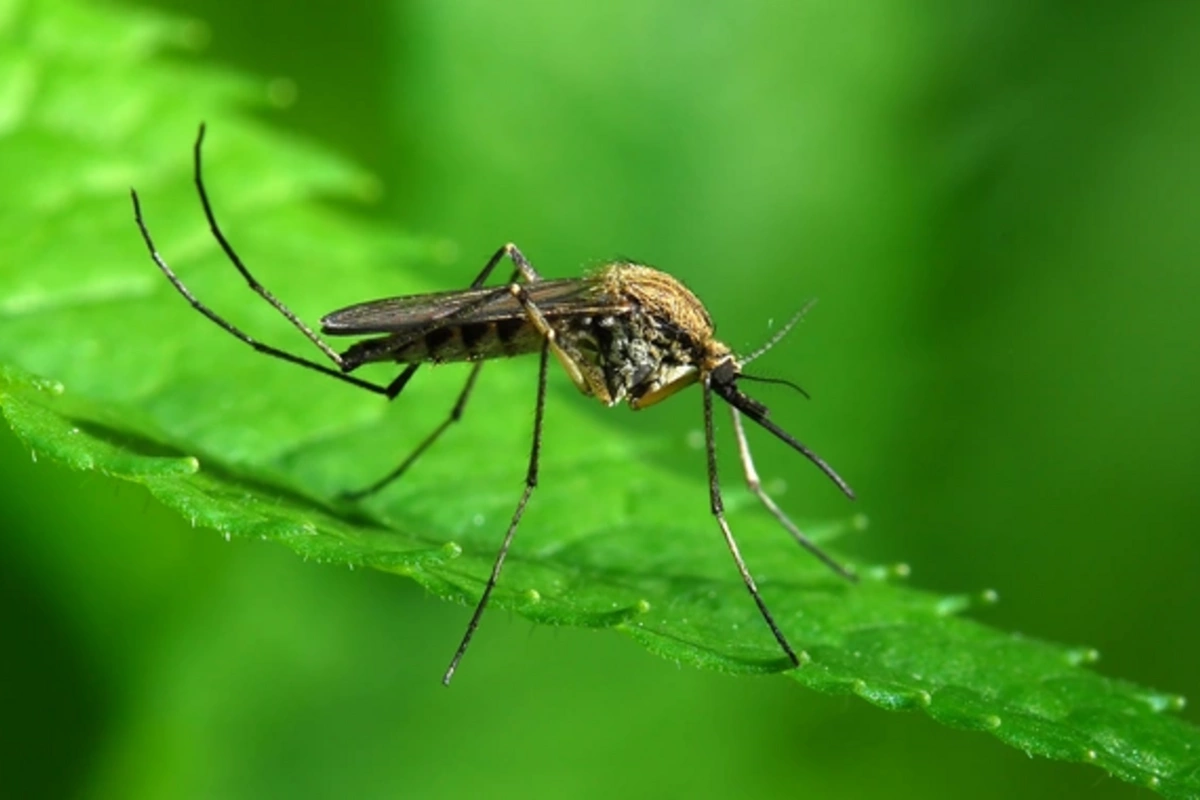
For centuries, Iceland remained the only Arctic country free of mosquitoes. But in 2025, everything changed: the pesky bloodsuckers were discovered for the first time north of Reykjavik. Scientists are convinced this is an alarming marker of large-scale ecological shifts sweeping across the entire region. The study results have been published in the journal Science.
The Arctic is warming approximately four times faster than the rest of the planet. The consequences of this process — early snowmelt, longer warm seasons, and increasingly frequent natural disasters such as wildfires — are fundamentally altering habitat conditions and paving the way for insect expansion.
Mosquitoes are just the tip of the iceberg. Arctic latitudes are home to a vast number of arthropods, including spiders and various insects, all of which are irreplaceable participants in ecosystems: they pollinate plants, decompose organic matter, and serve as food for birds and mammals. Yet it is precisely this group of organisms that has proven most sensitive to climate change, effectively becoming a living barometer of ongoing processes.
The consequences are already being felt by Arctic inhabitants. Birds are experiencing disruptions in critically important synchronization: chicks hatch at one time, while the peak abundance of the insects they feed on occurs at another. Reindeer and caribou suffer from infestations of parasites and bloodsucking insects — undermining their health and impairing their ability to reproduce.
Another growing threat is outbreaks of pest insect populations capable of devastating tundra vegetation. This triggers a chain reaction: nutrient cycling is altered, surface reflectivity decreases, soil temperatures rise — which in turn accelerates permafrost thawing and the release of greenhouse gases.
Humans are adding fuel to the fire. The development of shipping, the boom in Arctic tourism, and infrastructure construction are creating new pathways for species dispersal. The appearance of mosquitoes in Iceland, according to the researchers, is merely the first warning bell.
Meanwhile, systematic monitoring of arthropods in the Arctic is virtually nonexistent. Scientists warn that without coordinated international observation efforts, assessing the true scale of changes and responding to threats in a timely manner — including the spread of insect-borne diseases — is simply impossible.
A solution could lie in establishing a unified observation system under the auspices of the Arctic Council and its biodiversity monitoring program. Local communities, which are already documenting changes in their natural surroundings, should play a key role in this effort.
The researchers insist: the appearance of mosquitoes in Iceland is not an amusing curiosity but a signal of deep-seated processes reshaping the face of the Arctic. In their words, the question is no longer whether new changes will occur, but whether humanity will notice them in time and prevent irreversible consequences.