



02 Mar , 22:37
2
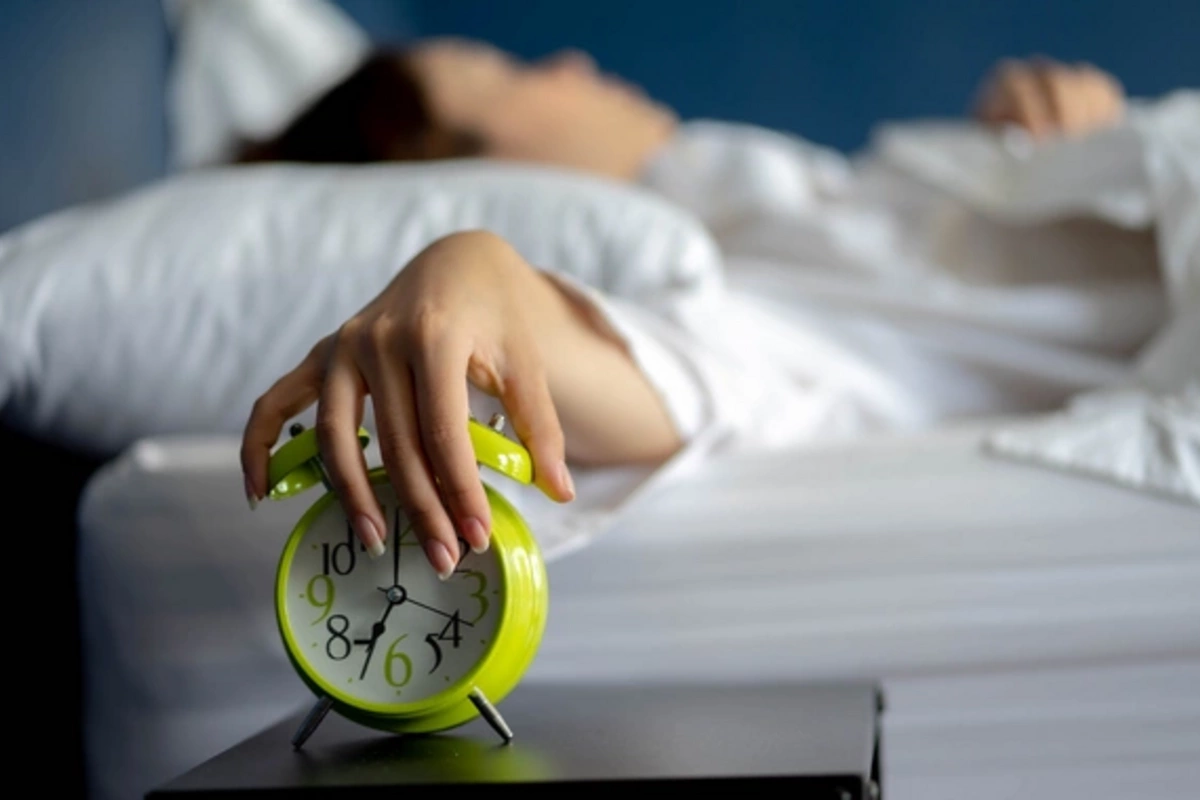
Social media is overflowing with "recipes for success": waking up at 5 AM, an ice-cold shower, a run at dawn, and meticulous day planning. It is believed that this is exactly how highly effective people live. But science says otherwise: there is no universal benefit from early rising — everything is determined by the biological rhythms of a specific individual. This is reported by The Conversation portal.
The central concept is chronotype. It is what determines at what time of day a person naturally feels a surge of energy or, conversely, tends to feel sleepy. Genetics plays a decisive role here: scientists have established that the tendency to be a "lark" or an "owl" is partially inherited. In addition, chronotype is not static — it changes with age: teenagers tend toward late bedtimes, while elderly people wake up earlier and earlier.
"Larks" have no trouble getting up at dawn and feel energized from the very first minutes. "Owls" reach their peak activity in the evening and at night. Most people, however, fall somewhere between these two extremes.
Scientific data does indeed confirm that morning-type people more often show high academic results, are less likely to abuse alcohol and nicotine, and are more actively engaged in sports. "Owls," on average, more frequently complain about burnout and declining well-being.
But scientists emphasize: this is not about the innate superiority of "larks," but about the structure of the social environment. Work and education in the modern world are built around an early start to the day. When biological clocks align with the social schedule, maintaining productivity is significantly easier. Otherwise, a chronic misalignment arises — the so-called "social jet lag."
Social jet lag is fraught with sleep deprivation, accumulated fatigue, and elevated stress levels. Furthermore, it is associated with an increased risk of diabetes, hypertension, and obesity. For "owls," a forced early wake-up only deepens this discrepancy, undermining concentration and worsening mood.
Attempts to abruptly switch to early rising sometimes produce a short-term effect — due to motivation and the feeling of novelty. However, chronotype is extremely difficult to change: it is rooted in circadian rhythms and genetics. Over time, the biological mismatch inevitably makes itself felt.
Experts recommend starting by determining your own chronotype. For this purpose, it is helpful to keep a sleep diary on workdays and weekends, recording energy levels and natural wake-up times. If falling asleep takes less than 30 minutes, the chosen schedule most likely suits you. If it takes more than an hour, the schedule probably conflicts with your internal clock.
Small shifts are still possible: morning sunlight and limiting screen time in the evenings can help. But the main conclusion of scientists is unequivocal: productivity depends not on wake-up time, but on how well the daily routine is aligned with the body's biological characteristics. It is harmony with internal rhythms, and not at all a 5 AM alarm, that ensures sustainable results.