




11 Apr , 09:15
0
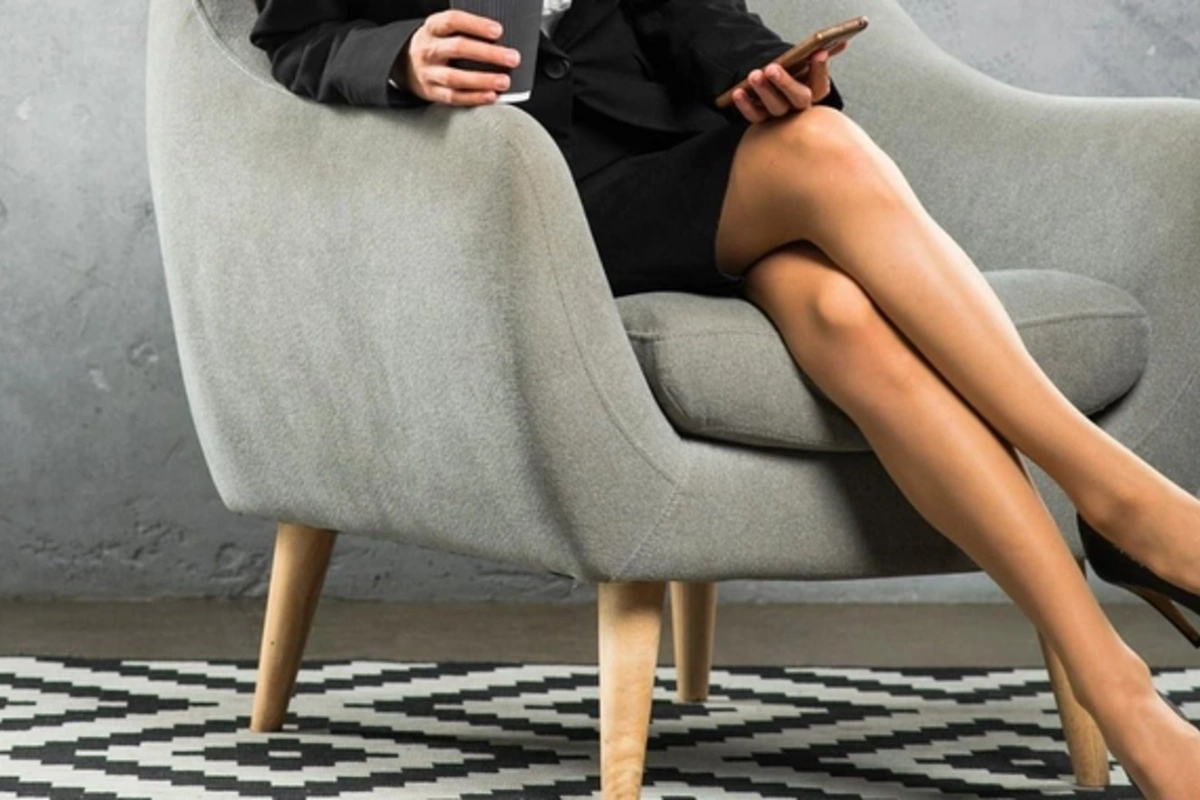
The habit of sitting with crossed legs has long been surrounded by frightening myths — it has been blamed for back pain, worn-out joints, and even varicose veins. However, modern science debunks these fears: for most people, this position is completely safe. This is reported by The Conversation portal.
Scientists emphasize: convincing evidence that crossed legs damage the spine, "wear out" hip or knee joints, or provoke varicose veins simply does not exist. What matters far more is not the specific position, but how long a person remains in it without moving.
The notion of "proper" sitting largely has its roots in outdated views on discipline and posture. Over time, social norms imperceptibly turned into supposedly medical prescriptions.
The discomfort that sometimes occurs during prolonged sitting with crossed legs does not indicate damage at all. It is merely the body's natural signal that it is time to change position.
Research has failed to identify a single "ideal" posture capable of protecting the back. The spine, as it turns out, adapts perfectly well to a wide variety of body positions. The main enemy is immobility, and it makes absolutely no difference whether the person is sitting upright, slouching, or crossing one leg over the other.
The same picture applies to joints. Knees and hips endure far more serious loads on a daily basis — during walking, running, or climbing stairs. A brief change in joint angle while sitting is not associated with the development of arthritis or other damage.
The popular belief that crossed legs lead to varicose veins has also found no confirmation. This condition occurs due to dysfunction of venous valves, and its risk is determined by age, heredity, pregnancy, excess weight, and prolonged standing. Crossing the legs may briefly affect blood flow, but it cannot cause the disease.
In certain situations, doctors do indeed recommend refraining from this position — for example, after hip joint surgery or in cases of localized pain. However, these are temporary and strictly individual restrictions, not a universal prohibition.
Experts are unanimous: the key factor is variety of movement.
The "healthiest" posture can be considered the one in which a person does not remain for too long. Regularly changing body position, taking movement breaks, and engaging in moderate physical activity bring incomparably more benefit than attempting to sit motionless in an "ideal" posture.