


10 Apr , 13:47
0

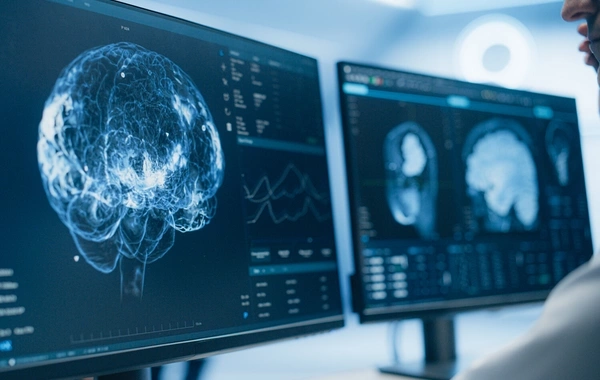
Living in a polluted and noisy megacity can literally age the brain faster than nature intended. This claim was made by evolutionary biologist Pyotr Lidsky, a professor at City University of Hong Kong.
As reported by TUT.AZ with reference to "Gazeta.Ru," according to the scientist, the mere fact of living in a city is not yet a death sentence for brain health. But if a city dweller's everyday reality consists of dirty air, incessant noise, exhausting heat, chronic stress, and an almost complete absence of green spaces, cognitive health comes under serious threat.
Lidsky particularly highlighted the link between polluted air and accelerated brain aging. According to his data, a toxic atmosphere increases the risk of developing cognitive impairments and dementia, including Alzheimer's disease. The main threat comes from fine particulate matter PM2.5, whose destructive impact on the body has been confirmed by numerous studies.
These particles — smaller than 2.5 micrometers — penetrate deep into the respiratory system unimpeded, enter the bloodstream, and trigger a chain of dangerous processes: inflammation, oxidative stress, and damage to blood vessels, including those supplying the brain.
At the same time, the scientist emphasized that accelerated brain aging is driven not by one specific factor but by their powerful combination. Air pollution, extreme heat, noise, social inequality, poverty, and chronic stress form a comprehensive assault on the body. To describe this cumulative impact, researchers use a special term — the "exposome."
The expert also separately addressed the topic of microplastics. Scientists have already documented their penetration into the human body and accumulation in atherosclerotic plaques, which may be linked to an increased risk of heart attacks. Microplastic particles have even been found in the brain and cerebrospinal fluid. However, their impact on cognitive functions remains insufficiently studied and is not supported by as robust an evidence base as in the case of PM2.5 particles.