





16 Jun , 22:34
0
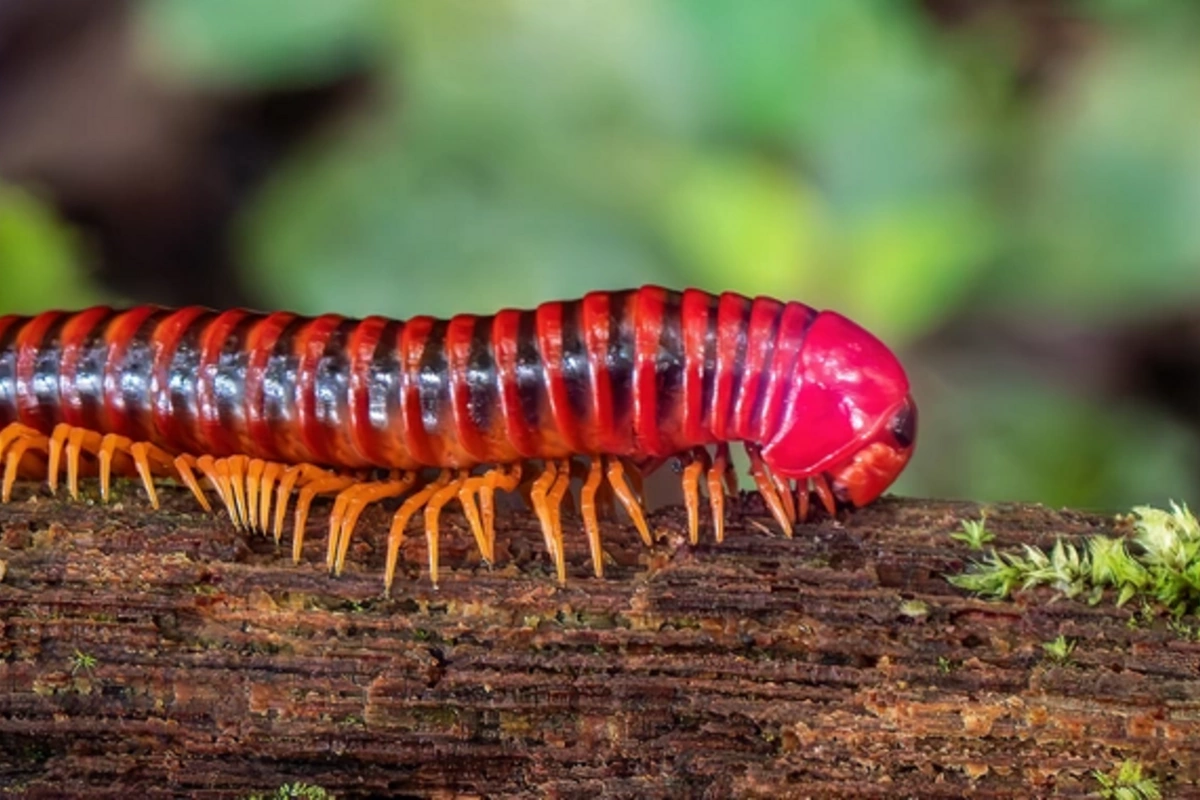
An international team of scientists has for the first time fully reconstructed the evolutionary tree of modern myriapods and reached a striking conclusion: these arthropods set foot on land approximately 460 million years ago. This means they began colonizing terrestrial ecosystems more than 80 million years before vertebrate animals. The results of the study have been published in the journal Current Biology.
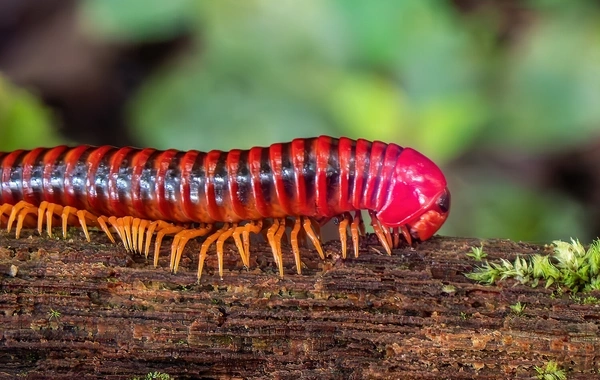
Today, myriapods are associated with inconspicuous inhabitants of the forest floor, quietly processing fallen leaves. However, it is precisely these modest creatures that turned out to be at the forefront of one of the greatest events in the history of life on Earth — the transition of animals to land.
In the course of this extensive work, the scientists analyzed the DNA of 82 species of myriapods and compared the obtained data with information from 29 fossil discoveries. A key role was played by the study of two extremely rare groups of myriapods whose position on the evolutionary tree had remained a mystery for over a hundred years.
To obtain the necessary specimens, the researchers had to organize expeditions to Mexico and the Canary Islands. Some of the sought-after myriapods reach only about a centimeter in length and spend nearly their entire lives underground.
Genetic analysis made it possible to definitively establish the kinship relationships of these enigmatic animals and reconstruct the history of the entire group. It turned out that some lineages of myriapods arose significantly earlier than previously thought.
According to the authors' estimates, the first myriapods appeared approximately 460 million years ago — roughly 35 million years earlier than the oldest known fossil representatives of the group.
During that period, the Earth looked entirely different. There were no trees, no flowering plants, and no vertebrate animals on land. Myriapods fed on decomposing mosses, microbial mats, and other organic remains, participating in the recycling of matter in the first terrestrial ecosystems.
In addition, the study helped establish the timing of the emergence of one of the most unusual features of myriapods — chemical defense. Many modern species are capable of secreting toxic substances that repel predators.
In the authors' opinion, the conducted study not only filled one of the last gaps in the evolutionary history of myriapods but also provided a better understanding of how the first terrestrial ecosystems on Earth were formed, paving the way for the emergence of more complex forms of life.