




19 May , 12:19
0
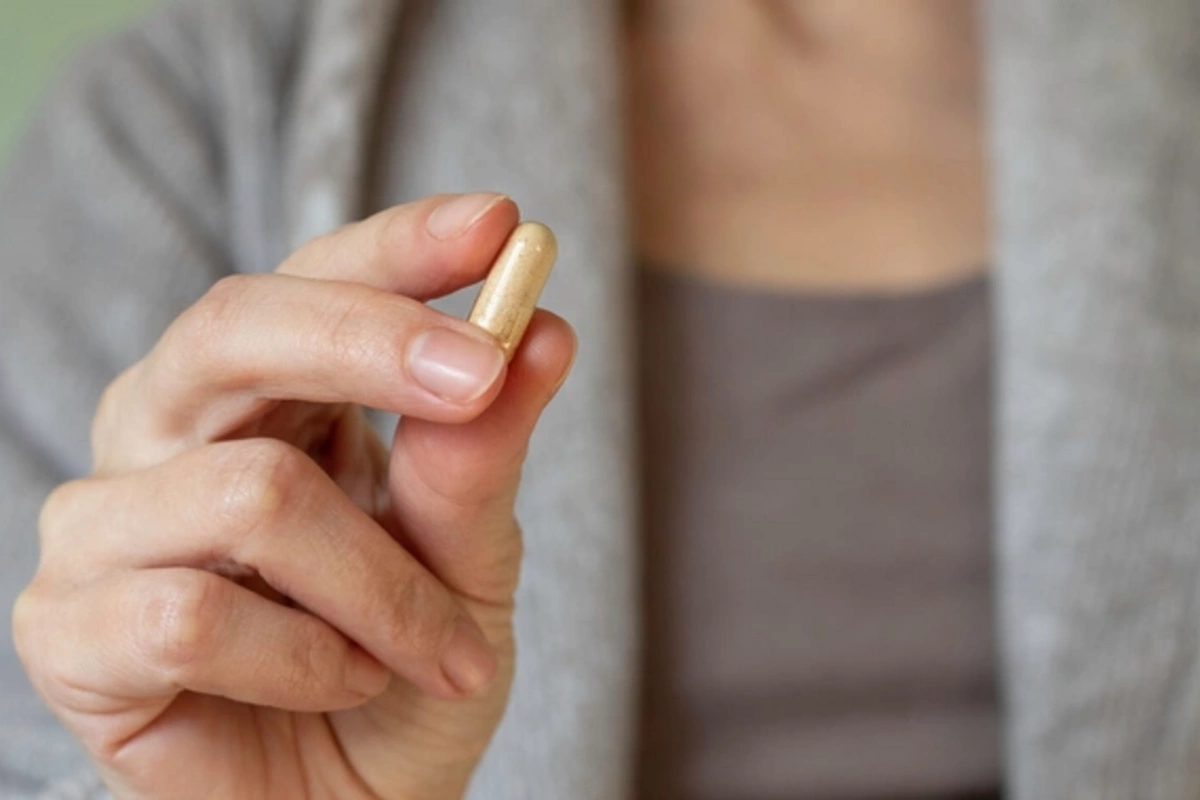
If test results show that blood ferritin levels have dropped below 30 µg/L, this may be a sign of anemia. In such a situation, it is worth discussing the need for iron supplements with a doctor, pediatrician Irina Litvinova (Tarasova) from the Attribute clinic told "Gazeta.Ru."
"There is no unified position on threshold ferritin values today: Russian clinical guidelines for children and adults define iron deficiency as a ferritin level below 11 µg/L, while the WHO sets it at below 12 µg/L for children under 5 and below 15 µg/L for children over 5 and adults. At the same time, values between 15 and 30 µg/L fall into the so-called 'gray zone' — they may indicate a possible iron deficiency and require a thorough evaluation of the medical history, and sometimes additional testing. However, in clinical practice, a threshold of less than 30 µg/L is most commonly used to identify iron deficiency in adults. The higher the chosen normal range cutoff, the higher the likelihood of not missing a single patient with iron deficiency," the specialist explained.
In addition, the doctor drew particular attention to an important nuance: ferritin is extremely sensitive to inflammatory processes and can increase tenfold — for example, during an infection. Therefore, normal ferritin levels do not always rule out the presence of iron deficiency.
"As can be seen, the boundary of normal is quite arbitrary. This is precisely why interpreting ferritin values is not about relying on a single reference number but rather a comprehensive analysis of a specific individual's data: age, sex, complaints, recent infections, presence of chronic diseases and risk factors for iron deficiency anemia, as well as iron metabolism indicators taken together. In terms of efficacy, therapy with ferrous (divalent) iron preparations — sulfate or gluconate — is most preferable. Widely used ferric (trivalent) iron preparations are recommended as first-line therapy according to domestic clinical guidelines," the doctor noted.
It is equally important to enrich the diet with foods high in iron: beef and chicken liver, eggs, seafood, beans, and others. As for iron-containing dietary supplements, they contain exclusively preventive rather than therapeutic doses and do not undergo standardized quality control — for this reason, they are not recommended for correcting iron deficiency anemia.