



13 Jun , 15:56
0
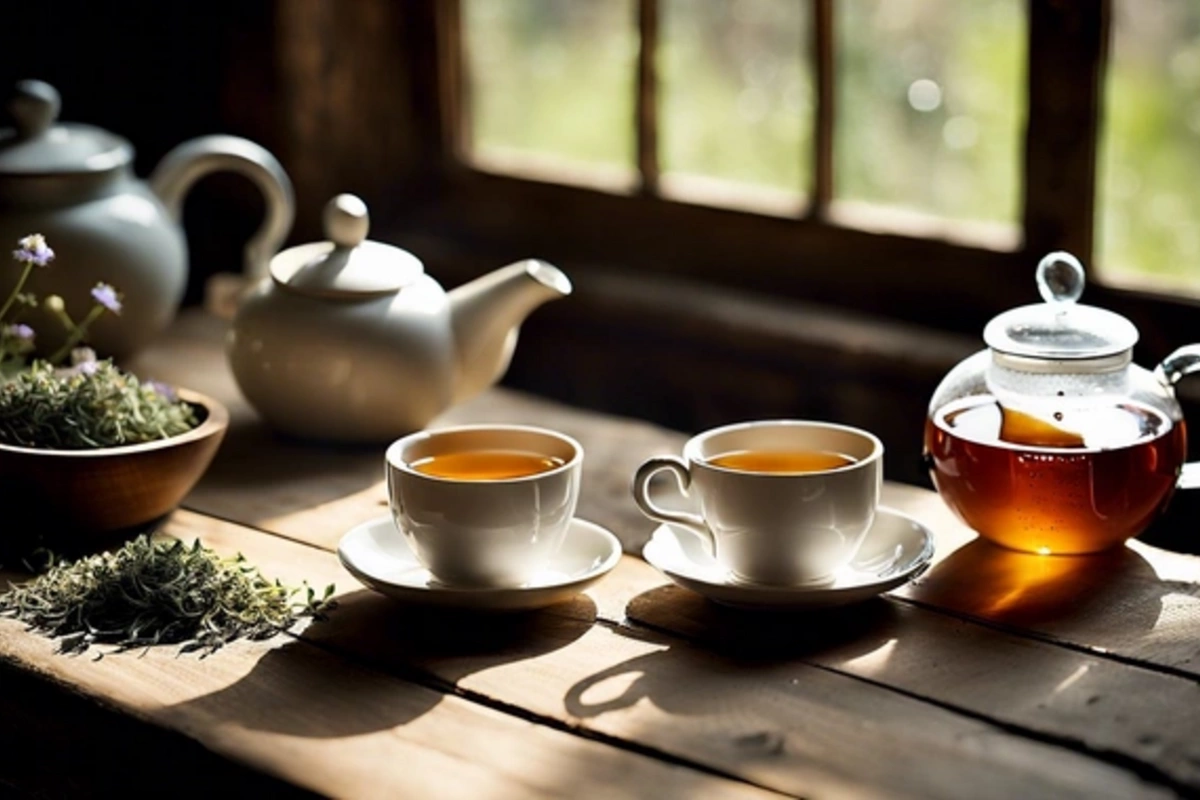
The optimal dose of black or green tea for an adult is 2 to 4 cups per day. This familiar beverage helps reduce the risk of cardiovascular diseases and decrease the likelihood of fatal outcomes from a whole range of illnesses, including oncological ones.
This was reported by gastroenterologist Darya Bogomolova in a conversation with gazeta.ru.
The secret of tea's healing properties lies in polyphenols — natural compounds with powerful antioxidant effects. They act as a kind of shield for the body's cells, protecting them from the destructive impact of free radicals and thereby reducing the risk of developing chronic diseases. In addition, polyphenols prevent the oxidation of "bad" cholesterol, which is considered an important factor in the prevention of atherosclerosis and heart disease. Scientists also observe antitumor activity in these substances — they are capable of influencing the cell cycle in cancer cells.
"However, excess tea consumption can lead to serious health problems. With regular excessive consumption, the body receives too many fluorides, which in some cases threatens the development of fluorosis — a disease affecting teeth and bone tissue, especially in regions with elevated fluoride content in water. One should not forget about caffeine either: one cup of tea contains an average of 30-50 mg of this substance. If you drink more than 6-8 cups a day, the daily caffeine dose will exceed 400 mg — and this is fraught with increased blood pressure, rapid heartbeat, anxiety, insomnia, and heightened excitability," the doctor warned.
Special attention should be given to recommendations for children and pregnant women. Children should limit themselves to 1-2 cups of tea per day to avoid exposing the growing body to the negative effects of caffeine. Expectant mothers need to carefully monitor their total caffeine intake from all sources, including tea: its excess is associated with an increased risk of fetal growth restriction and low birth weight in newborns. The safe threshold for pregnant women is no more than 200 mg of caffeine per day.
"As for herbal teas — these are infusions of various plants that fundamentally differ in composition and effects from classic tea. Most of them do not contain caffeine, which makes them a good alternative when it is necessary to limit this substance. However, it is important to understand: there is no unified evidence base for herbal teas as a group — their effects and safety depend entirely on the specific plant. When choosing an herbal tea, it is especially important to consider individual characteristics of the body, particularly the presence of allergies or intolerances, so as not to harm one's health," the expert emphasized.