



16 Mar , 15:50
0
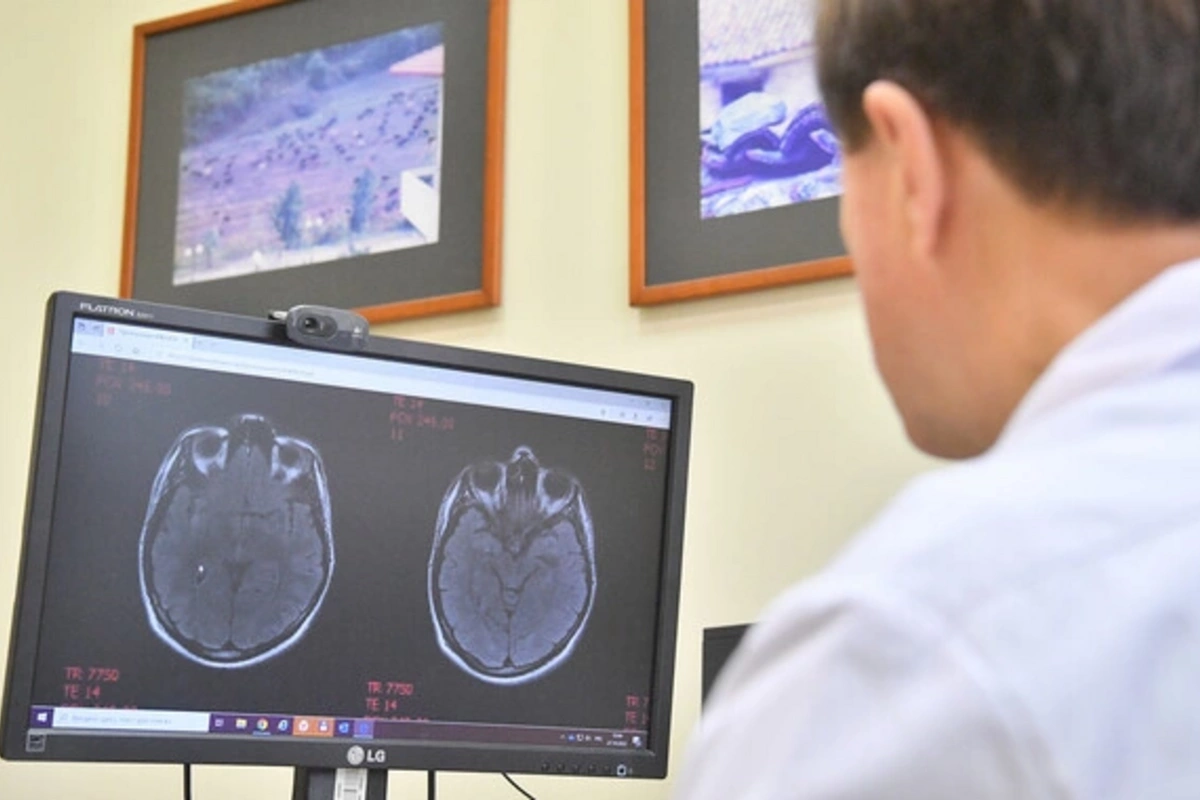
Australian researchers have identified a possible link between past infections and an increased risk of stroke in children.
As reported by TUT.AZ with reference to Monash University, specialists have reached an alarming conclusion: a past infection can nearly double the likelihood of stroke in childhood. The results of the large-scale scientific study have been published in the authoritative journal Neurology.
During the study, scientists analyzed data from the Vaccine Safety Health Link system — an extensive medical information database of residents of the Australian state of Victoria, which records information about vaccinations, infectious diseases, and hospitalizations. Over seven years of observation, specialists recorded 571 cases of stroke among children. Although this condition is rare — approximately one case per 18,000 — its consequences can be extremely severe, up to and including permanent disability and even death.
The analysis revealed that stroke was more frequently diagnosed in boys, with infants under one year of age proving to be a particularly vulnerable group. In children who had experienced an infection within the previous 60 days, the likelihood of developing a stroke was approximately twice as high. Notably, the elevated risk persisted not only in the first weeks after the illness but also over the course of several subsequent months.
The most pronounced association was observed after severe infections — meningitis, encephalitis, sepsis, and lower respiratory tract diseases. However, the scientists emphasize that the risk also increased after far more common illnesses — gastrointestinal infections, influenza, and respiratory syncytial virus.
At the same time, the study found no statistically significant link between recent vaccination and the occurrence of stroke in children.
According to the lead author of the study, Lachlan Dalli, the findings serve as a reminder of an important fact: stroke is not exclusively a disease of the elderly. Specialists strongly recommend that parents and doctors carefully monitor a child's condition even a considerable time after recovery. Possible warning signs include breathing difficulties, seizures, refusal to eat, and lack of response to external stimuli.