





09 Apr , 22:15
0
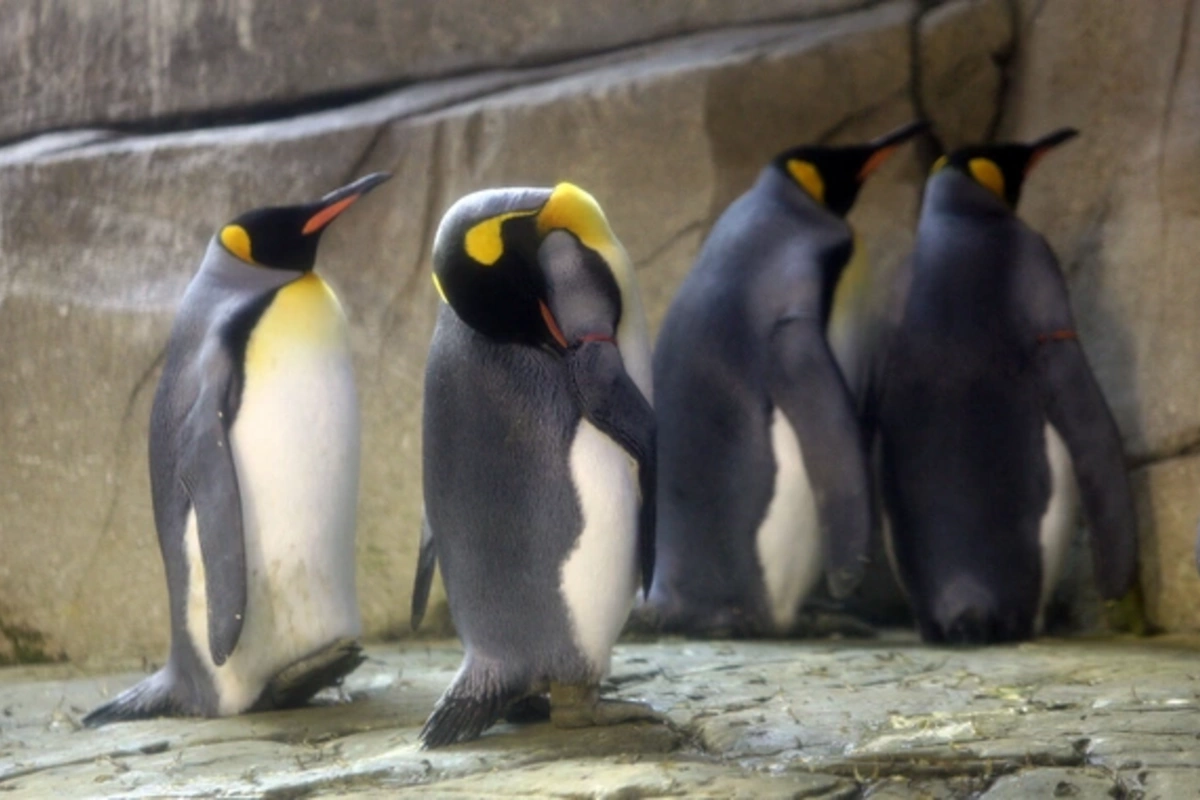
Global warming has already reduced the emperor penguin population by approximately 10%, and by 2080 their numbers risk being halved. These alarming findings were presented by experts from the International Union for Conservation of Nature, based on the results of model calculations. This was reported by the portal De Telegraaf.
According to the organization's data, in 2019 the population of these majestic birds was estimated at more than 500,000 adult individuals. However, the rapid melting of sea ice poses a serious threat to their very existence.
Marine ecologist Philip Trathan, who participated in the new assessment, emphasized that climate change poses the greatest danger to the species: "After a thorough analysis of various threats, we concluded that human-caused climate change is the largest threat to emperor penguins."
Emperor penguins inhabit Antarctica and are critically dependent on sea ice, on which they breed and raise their offspring. If the ice cover breaks up too early, it can result in the death of chicks — especially during the period when they have not yet developed waterproof plumage.
The problem is not limited to a single species. The Antarctic fur seal has been classified as "threatened" for the first time on the Red List of the International Union for Conservation of Nature. Over the past 25 years, its population has plummeted by more than 50%, and fewer than one million adult individuals now remain on the planet.
The primary cause here is also attributed to ocean warming. Due to rising water temperatures and shrinking ice cover, krill — a key food source — is retreating to greater depths, becoming significantly less accessible to predators.
In addition, the southern elephant seal has been moved to the "vulnerable" category. These animals have proven extremely susceptible to avian influenza: in some colonies, the virus has killed up to 90% of pups.
According to scientists' estimates, further warming threatens large-scale changes to the entire Antarctic ecosystem, affecting multiple species simultaneously and disrupting established food chains.