




20 Apr , 18:14
0

For most people, gradual bone loss begins as early as age 25-30, with bones "aging" fastest in women and smokers. This was shared with The Conversation by Hasmik Jasmine Samvelyan, a senior lecturer in biomedicine at Anglia Ruskin University.
As the specialist explains, in youth the processes of bone tissue destruction and renewal balance each other out. Peak bone mass is reached around age 25-30 — and then the scales inexorably tip toward destruction, and bone density begins to decline.
The skeleton's main enemy remains time itself, but a whole range of factors can significantly accelerate this process. Hormonal changes play one of the key roles. After menopause, estrogen levels drop sharply, triggering increased bone tissue destruction. The result is that approximately every other woman over 50 is at risk of fractures.
"Lifestyle is equally important. Smoking, alcohol abuse, and low physical activity contribute to bone weakening. Nutrition also plays a role: deficiencies in calcium and vitamin D reduce the body's ability to maintain bone strength," the expert notes.
Certain diseases and medications pose an additional threat. In particular, long-term use of steroid medications, as well as diseases that impair nutrient absorption, can noticeably accelerate bone mass loss.
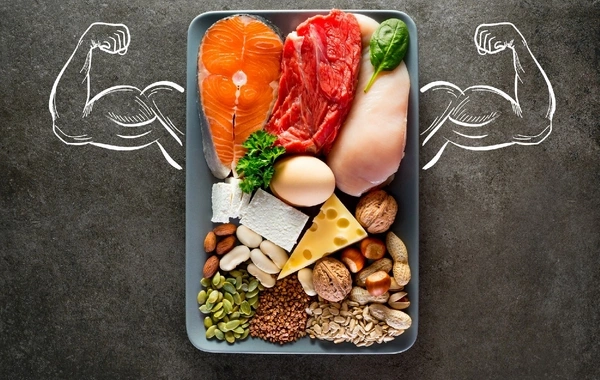
"First and foremost, it is important to ensure adequate calcium intake — its main sources are dairy products, green leafy vegetables, and fortified foods. Vitamin D, which improves calcium absorption, is equally important," the specialist concluded.