


27 Jun , 09:36
0
Dutch scientist Tommaso Zaccaria from Radboud University Medical Center has discovered that terrestrial microorganisms are capable of surviving on other celestial bodies where water is present — including Mars and the moons of gas giant planets.
This was reported by the news portal Science X.
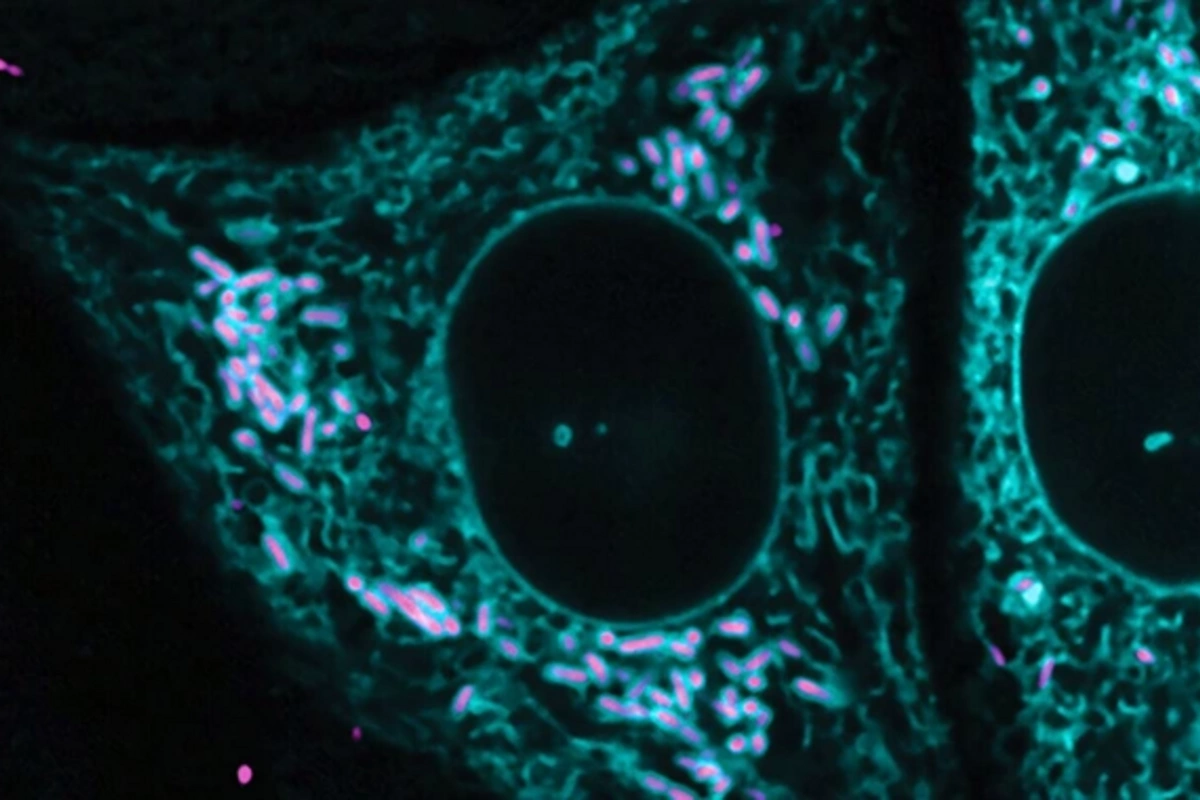
At the German Aerospace Center, the researcher recreated extraterrestrial conditions by subjecting microorganisms to intense radiation, dehydration, and extremely low temperatures. The results of the experiment proved impressive: terrestrial extremophiles — yeasts and bacteria — demonstrated remarkable adaptability to the hostile space environment.
"They enhance their ability to repair DNA damage and activate protective chemical reactions within their cells," Zaccaria emphasized.
Particular concern was raised by the results of testing microorganisms pathogenic to humans, including the pneumonia-causing bacterium Klebsiella pneumoniae. After simulating a journey to Mars, the microbes noticeably shrank in size but retained their viability. Moreover, under laboratory conditions, human immune system cells were less effective at recognizing and responding to these "shrunken" forms of pathogens.
In April, an international team of researchers demonstrated that simple organisms are capable of surviving under conditions approximating those on Mars. Even the combination of powerful shock waves and toxic salts did not prove fatal to them.