







20 Jun , 15:14
0
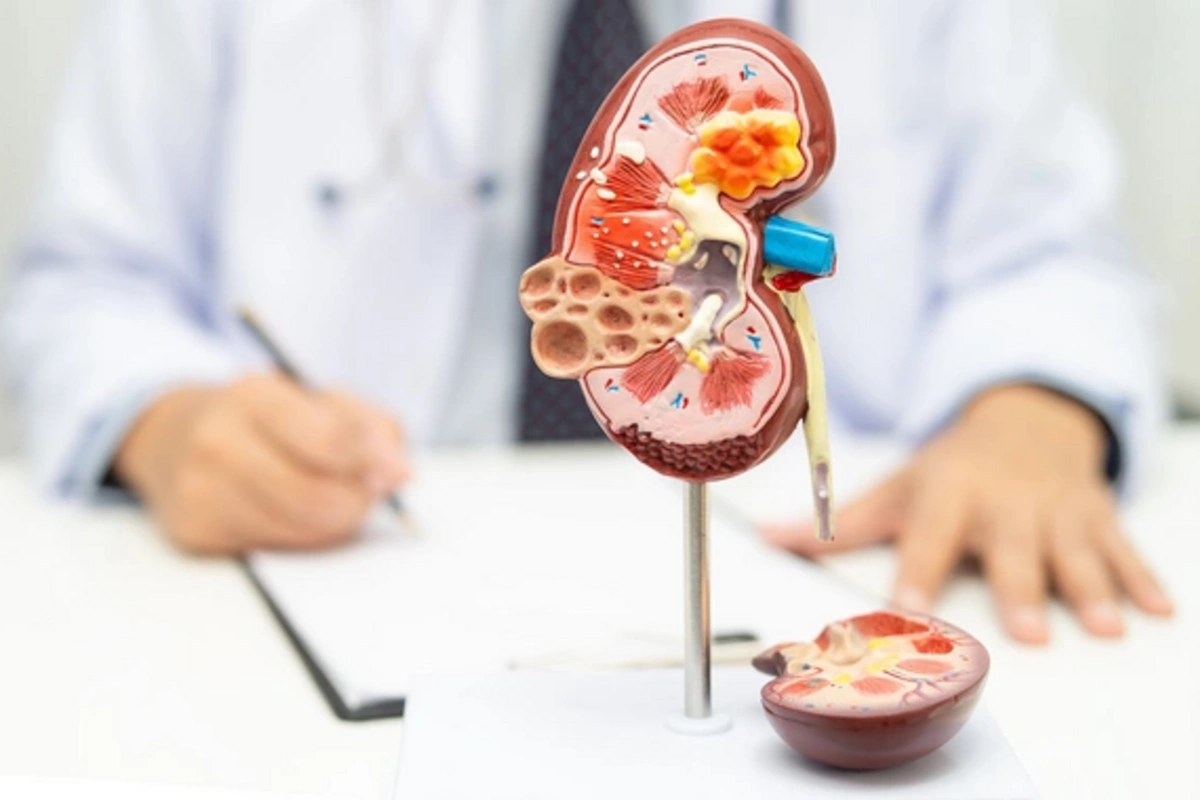
Nephrologists from the Mayo Clinic made an unexpected discovery: the kidneys are capable of regulating water balance in a way that science had not suspected for decades. It all happened by accident — researchers were testing the long-known drug probenecid for polycystic kidney disease and obtained a result directly opposite to what was expected. The work was published in the Journal of Clinical Investigation (JCI).
For decades, medicine held an unshakable axiom: the main and sole conductor of urine concentration was the hormone vasopressin. A new study, led by nephrologist Fouad Chebib, overturned this picture — it turned out that the kidneys possess yet another mechanism for water retention that is entirely independent of vasopressin.
The key player in this new pathway turned out to be uric acid (urates). Inside the cells of the collecting ducts, it triggers an entire cascade of signals that move water channels to the cell surface. Thanks to this, the kidneys gain the ability to reabsorb water without resorting to vasopressin at all.
The discovery has direct significance for patients with polycystic kidney disease. The only currently approved drug — tolvaptan — forces the body to produce 6 to 7 liters of urine per day. Adding probenecid makes it possible to reduce this volume by approximately 30%, while the therapeutic effect is preserved.
"Probenecid helped us uncover the mechanism. Our goal is to develop therapies targeting specifically this new pathway," noted Dr. Chebib.