



07 Feb , 11:36
0
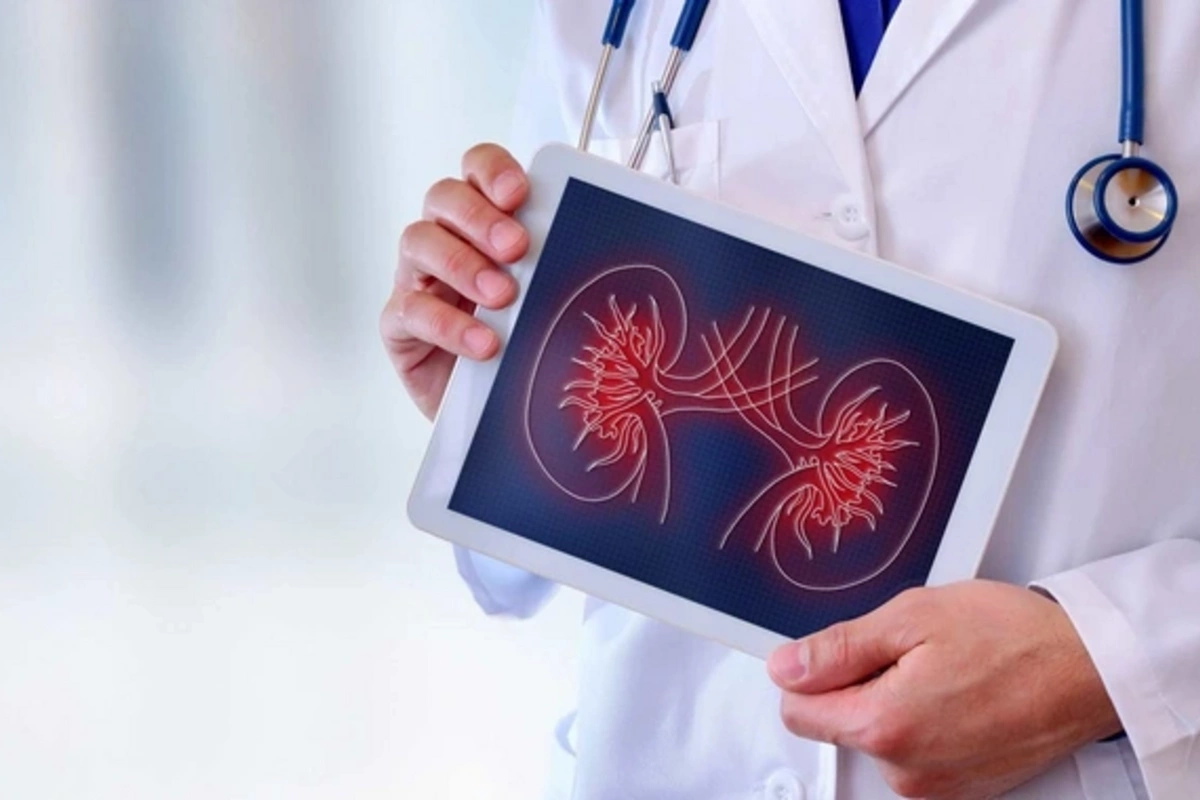
A revolutionary discovery by American scientists is overturning medical understanding of the nature of kidney stones. Researchers from the University of California, Los Angeles have proven for the first time that even stones long considered non-infectious are actually teeming with bacteria. The findings have been published in the prestigious journal Proceedings of the National Academy of Sciences.
For decades, doctors were convinced that calcium oxalate stones were a purely chemical phenomenon. Too many salts, too little water, and crystals begin growing in the kidneys. The stone would be removed, the patient advised to drink more fluids, and sent home. Infection was never part of the conversation. Now this picture will need to be reconsidered.
Armed with electron and fluorescent microscopes, scientists literally peered inside stones extracted from patients. What they saw surprised even experienced specialists: entire bacterial colonies embedded in the stone's structure in layers and biofilms. And this in people without the slightest signs of urinary tract infection.
"Our discovery shatters an established dogma. We have proven that bacteria hide inside stones and likely participate in their growth themselves," stated urologist Kimora Scotland, one of the study's authors.
The finding may finally explain a longstanding mystery: why some patients experience recurring stones again and again, despite all efforts by doctors and the patients themselves. The true culprit may be a bacterial infection lurking somewhere in the urinary system.
"We have found a new mechanism of stone formation. It's now clearer why this disease is so widespread and why recurrent infections often go hand in hand with new stones," Scotland added.
The scale of the problem is impressive: one in eleven people on the planet experiences kidney stones at least once, and over seventy percent of cases are specifically the calcium oxalate type. If the role of bacteria is confirmed in further research, medicine faces significant changes—from diagnosis to treatment.
The study authors are confident their discovery paves the way for fundamentally new treatment methods. Now the fight against stones can be waged not only on the chemical front but also on the microbiological one.