


07 Jan , 17:11
10
Dangerous Misconception: Which Drinks Actually Intensify Thirst Instead of Quenching It
The common belief that any liquid can quench thirst has proven to be scientifically unfounded. As it turns out, a whole range of popular drinks act as "hidden dehydrators," causing a net loss of moisture in the body. This list includes alcohol, coffee and tea, sweet sodas and packaged juices, energy drinks, and even some types of mineral water.
As reported by TUT.AZ with reference to "Gazeta.Ru," alcohol is the absolute "champion" in terms of dehydrating effect. The ethanol it contains blocks the production of the hormone vasopressin, which regulates water retention in the body. As a result, the kidneys switch to "emergency release" mode, excreting significantly more fluid than is consumed. The thirst that occurs after consuming alcohol is already a signal of a critical moisture deficit in the body.
Sweet sodas and commercially produced juices take second place in the ranking of dehydrating drinks. The high concentration of sugar (10-12 g per 100 ml) creates osmotic pressure, causing the body to extract water from cells and intercellular space. Processing this amount of sugar requires more liquid than is contained in the drink itself, and numerous artificial additives only increase the burden on the body.
Caffeinated drinks, including coffee and energy drinks, also have a pronounced diuretic effect. For regular consumers, this effect is less noticeable, but when consuming large doses, the kidneys begin to excrete fluid more actively. Consumption of such drinks is especially dangerous in hot weather or during intense physical activity.
It may be surprising for many to learn that therapeutic-table and medicinal mineral waters also do not contribute to replenishing water balance. The high mineral content creates an additional load on the kidneys, which are forced to excrete excess salts along with water. For everyday consumption, only table water with low mineralization is recommended.
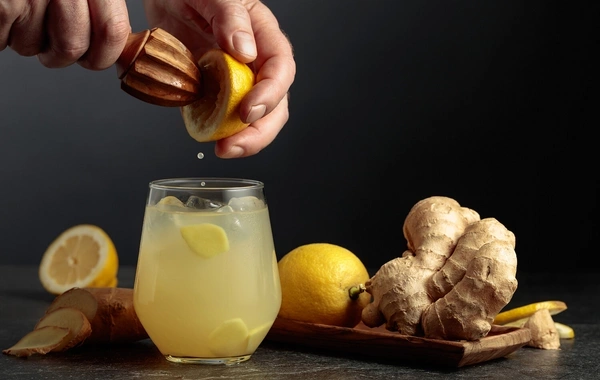
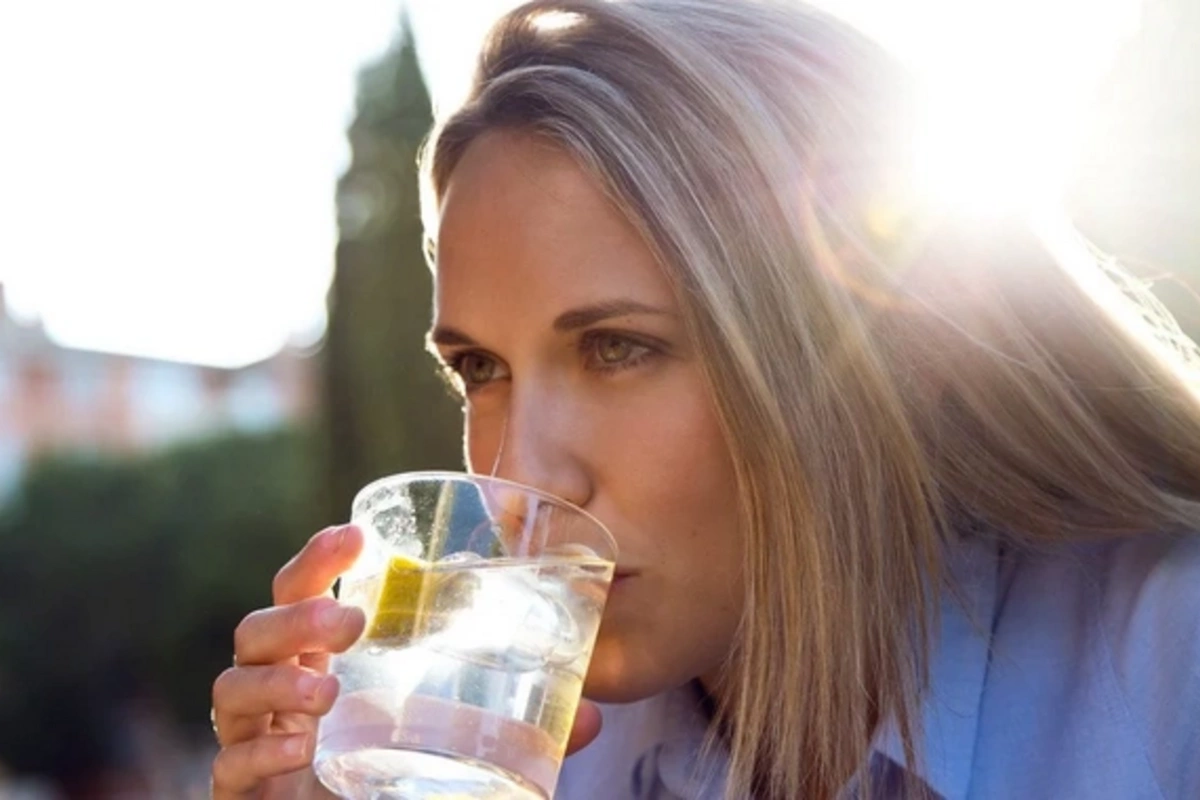
According to experts, rational hydration should be based primarily on the consumption of pure water. Acceptable alternatives include mild herbal tea or water with added lemon slice or cucumber. After consuming drinks from the "risk group," it is necessary to compensate for their effect with pure water: one should drink one glass of water for every cup of coffee, and 1.5-2 glasses for a glass of wine. It's important to remember that the sensation of thirst is already a delayed signal from the body about fluid shortage.