







04 Feb , 13:27
0
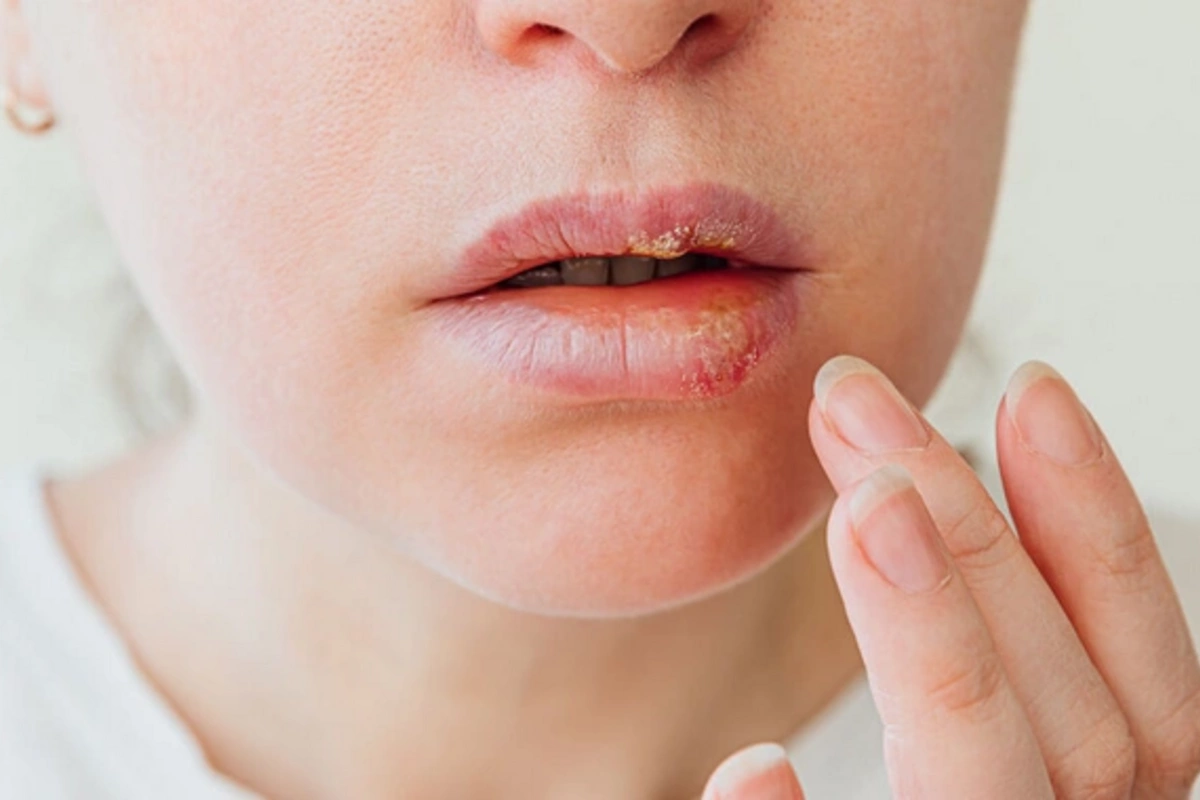
Finnish researchers have discovered a new mechanism that helps the herpes simplex virus type 1 rapidly multiply in the human body. As it turned out, HSV-1 is capable of changing the physical properties of cell nuclei, making them softer and thereby creating favorable conditions for its own reproduction.
As reported by TUT.AZ, the study was conducted by scientists from the University of Jyväskylä and published in the journal PLOS Pathogens.
The herpes simplex virus is one of the most widespread infections: according to experts' estimates, up to two-thirds of the planet's population are carriers of HSV-1. In most cases, it manifests as rashes on the lips and skin, however, in complicated cases, it can affect the organs of vision and the central nervous system. The peculiarity of the virus lies in the fact that it remains in the body for life and periodically transitions to an active phase.
As part of their work, scientists focused on how DNA viruses that multiply inside the nucleus of a host cell affect its internal structure. Experiments showed that during HSV-1 infection, extensive zones of intensive viral DNA replication form in the nucleus. This leads to loosening of the nucleus's internal structure and a noticeable increase in its volume.
Simultaneously, a restructuring of chromatin—the method of DNA packaging—occurs, and the nuclear lamina, which is responsible for the mechanical stability of the nucleus, is also damaged. These changes arise almost immediately after the virus penetrates and directly contribute to accelerating its reproduction. At the same time, the decisive factor turns out to be not the destruction of the nuclear envelope, but the weakening of mechanical pressure on the nucleus from the cell.
According to the study's authors, such results allow for a deeper understanding of how viral infections are capable of radically restructuring host cells. In the future, this may help in creating new methods of combating viruses, especially those posing a threat to people with weakened immunity.