




27 Apr , 15:09
0
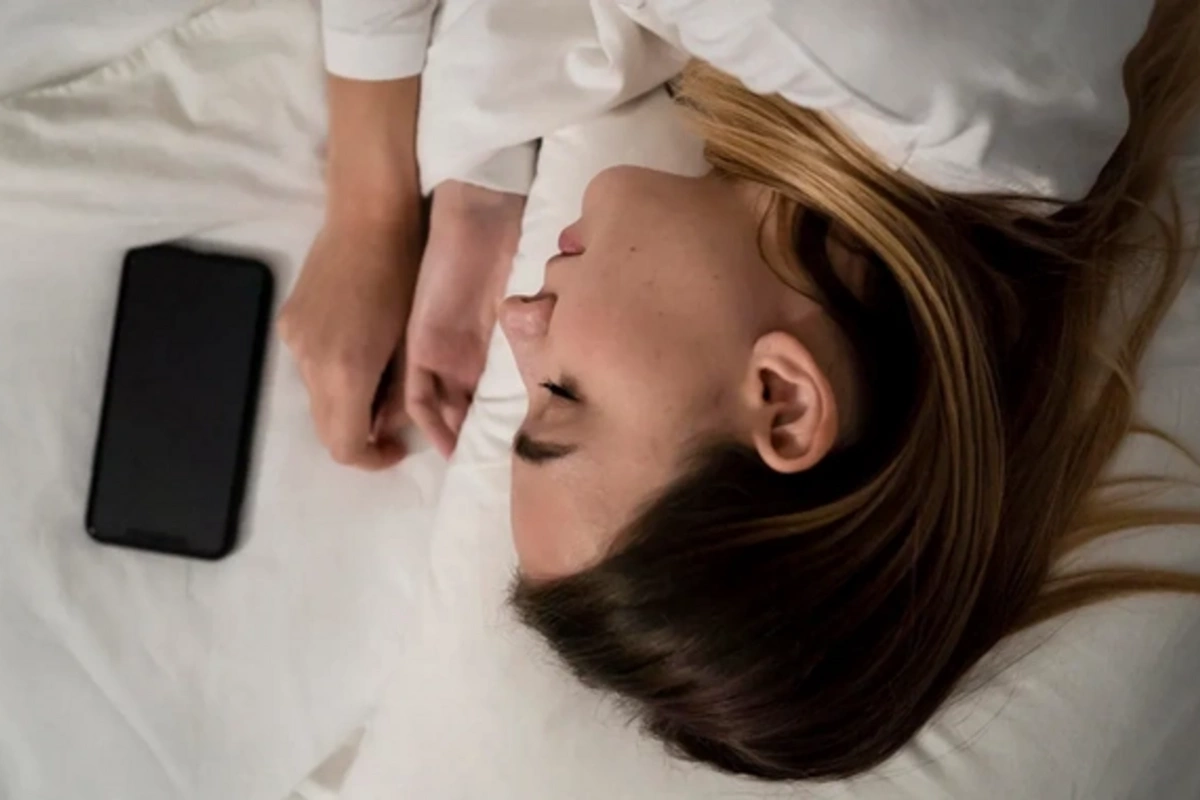
Millions of people fall asleep with a smartphone under their pillow — but how dangerous is it really? Modern science provides a surprisingly reassuring answer.
As reported by TUT.AZ, citing scientific data and international research, scientists have been unable to find a direct link between mobile phone use and the development of brain cancer. However, it's too early to let your guard down: experts warn that having a gadget nearby can noticeably impair the quality of nighttime sleep.
Yes, smartphones do indeed emit radiofrequency waves — but these are non-ionizing radiation, which does not damage DNA or trigger mutations. Foreign experts, including representatives of major oncology organizations, emphasize that the energy level of these waves is too low to cause harm to the body. Moreover, a phone emits maximum radiation during calls, while in standby mode its impact is virtually reduced to zero.
Large-scale studies confirm these findings. The international INTERPHONE project and reviews by the U.S. National Cancer Institute found no consistent link between mobile phones and brain tumors. However, scientists note that long-term effects still require further study, and research on this topic continues.
What truly deserves attention, however, is the smartphone's impact on sleep. Researchers point out that the mere presence of a phone near the bed becomes a powerful distraction. People repeatedly reach for it to check notifications, delaying the moment of falling asleep and ultimately significantly diminishing the quality of rest.
The experts' recommendation is simple: whenever possible, don't take your phone to bed and leave it at a distance — this will help establish a healthy sleep routine and allow for full recovery overnight.