







29 Mar , 11:34
0
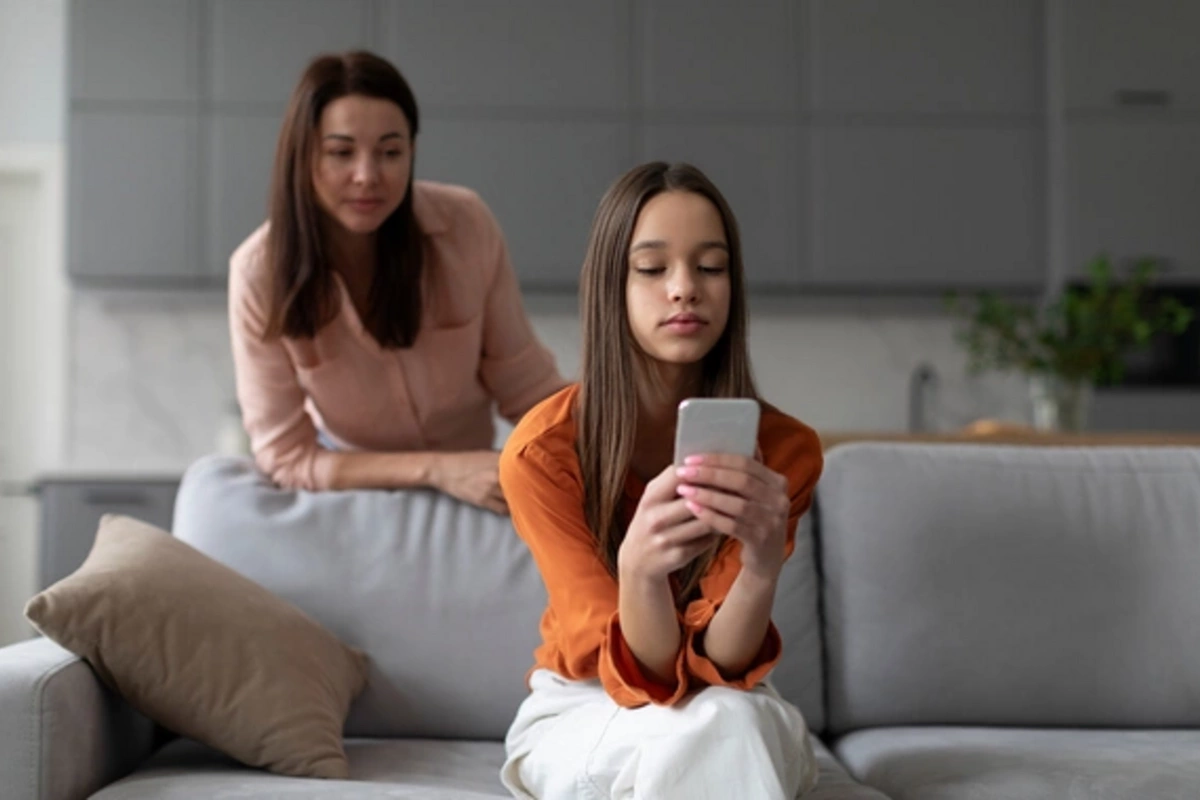
The UK government has called for a sharp reduction in screen time for the youngest children: children under five are recommended to spend no more than one hour a day with gadgets, while toddlers under two should have virtually no contact with screens at all. The new guidelines are aimed at protecting the health of the younger generation and reducing risks to child development. This was reported by The Guardian.
The initiative was developed by an expert group led by Children's Commissioner Rachel de Souza and child health specialist Russell Viner. Prime Minister Keir Starmer emphasized that the authorities are ready to help parents navigate the "digital world," where children are immersed in screens practically from the cradle.
The key recommendation is that screen time for children aged two to five should be "limited to one hour a day or less where possible." However, it is not just about the number of minutes: parents are strongly advised to avoid fast-paced, social media-style video clips, as well as applications with artificial intelligence elements.
Experts paid particular attention to the format of a child's interaction with screens. Co-viewing and discussing what has been watched together with the child is far more beneficial for cognitive development than independently "zoning out" in front of a device. Alternatives to gadgets include reading, board games, drawing, and live communication.
In addition, it is recommended to completely remove screens from mealtimes and to eliminate their use before bedtime. Specialists warn that excessive engagement with gadgets is directly linked to deteriorating sleep quality, reduced physical activity, and a decline in live contact with parents.
The figures speak for themselves: according to government data, approximately 98% of children begin regularly using screens by the age of two. At the same time, toddlers with the highest screen time are significantly more likely to experience speech development delays.
The report includes an important caveat: the restrictions should not be applied uniformly to everyone. For children with special educational needs who use assistive digital technologies, the approach should remain flexible.
Beyond this, experts urged parents to critically assess their own digital habits as well. Introducing "screen breaks" for the entire family can create a healthier environment at home.
Vice President of the Royal College of Paediatrics and Child Health Mike McKean reminded that early childhood is a critically important period for personality formation, and the excessive influence of the digital environment seriously complicates the task for parents. The new guidelines are designed to help families find a balance between technology and a child's full development.