




21 Apr , 20:14
0
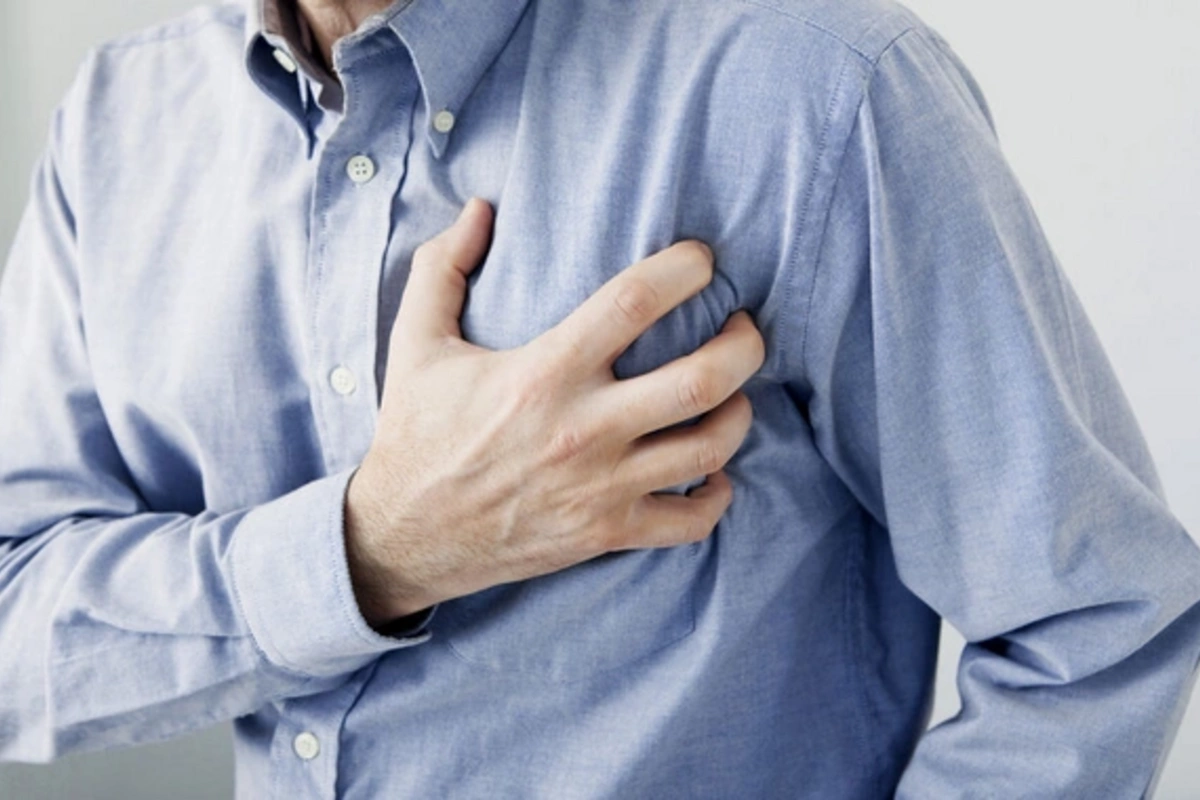
Extreme heat, freezing temperatures, and heavy rainfall can increase the risk of heart attack by 1–5%. This is evidenced by a large-scale study by Chinese scientists published in the authoritative American Journal of Preventive Medicine (AJPM).
The scientists analyzed health data from residents of 157 cities in China over five years — from 2015 to 2020. It was found that when air temperatures exceed 38°C, the likelihood of cardiovascular problems jumps by approximately 3%. Cold weather also takes a toll on the heart: at temperatures of 6°C and below, the risk increases, though less noticeably — by less than 1%.
Heavy precipitation poses a separate threat. On days when more than five centimeters of rain falls, the likelihood of cardiovascular complications increases by nearly 2%.
As one of the study's authors, Xiamen University researcher Lingjiang Wei, explained, the body reacts extremely sharply to sudden weather changes, which can trigger serious overload of the cardiovascular system. These findings are supported by other data as well: according to available estimates, environmental factors are already linked to approximately one in five deaths from heart disease worldwide.
Specific population groups were found to be at particular risk: people below retirement age, smokers, and those who are overweight. Elevated danger was also recorded among residents of rural areas and regions with high levels of air pollution.
The researchers emphasize that against the backdrop of global climate change, extreme weather events are occurring more frequently, meaning their impact on health will only continue to grow. According to a report by The Lancet, the majority of abnormally hot days in recent years are directly linked to global warming.
The study's authors strongly recommend reducing physical activity during periods of intense heat or cold, drinking more water, staying indoors in comfortable temperatures whenever possible, and paying close attention to how you feel. If any alarming symptoms appear, it is essential to seek medical attention immediately.