



03 Sep , 21:57
0
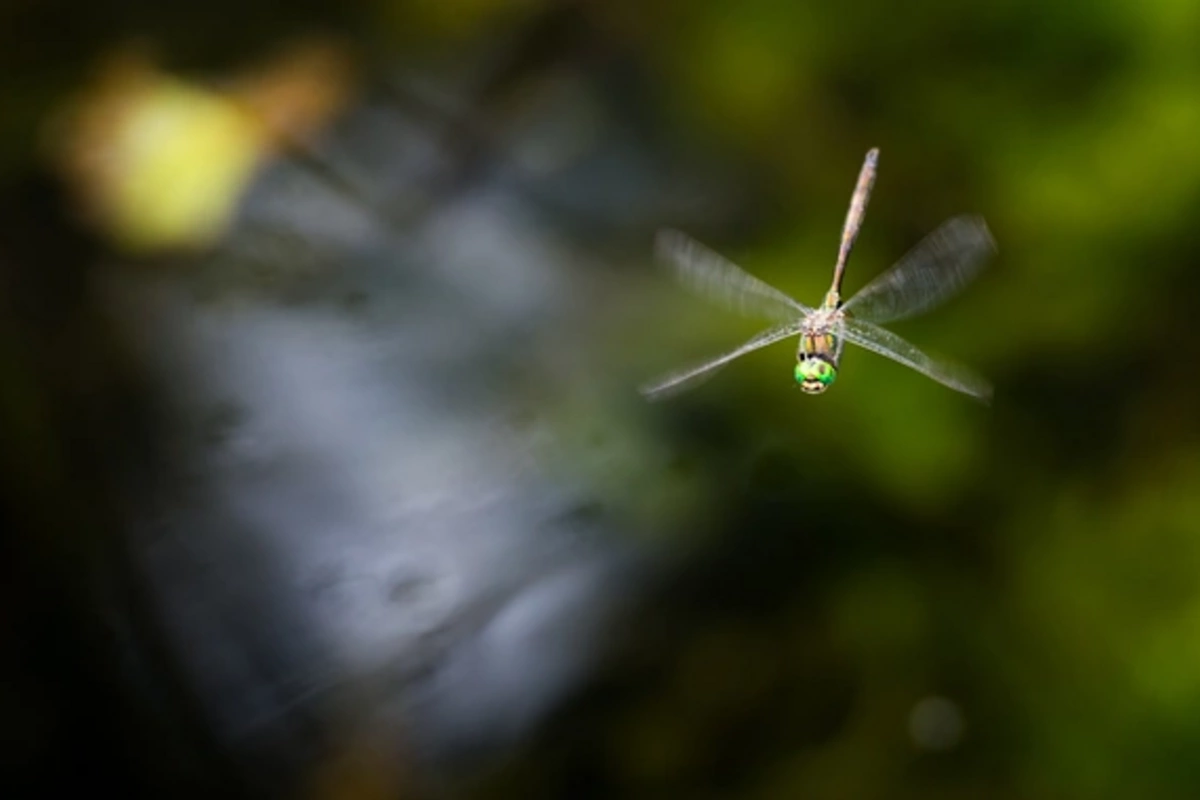
Scientists have for the first time resurrected the sounds of Jurassic forests: the chirping of insects that fell silent 165 million years ago has sounded again thanks to fossilized wings and artificial intelligence. The results of the groundbreaking study have been published in the journal Proceedings of the National Academy of Sciences, as reported by The New York Times.
An international team of biologists led by Jun-Jie Gu, a professor of entomology at Sichuan Agricultural University, conducted a detailed study of fossilized remains of ancient ancestors of crickets and grasshoppers discovered in Inner Mongolia. These creatures produced sounds by rubbing their wings against each other — exactly the same way their distant descendants do today. To make the stone wings "sound" again, the researchers employed laser Doppler vibrometry and high-speed cameras to analyze living relatives of the extinct species. The collected data was fed into a computer model with machine learning algorithms — and it calculated the sound based on the physical parameters of the ancient wings.
One of the discoveries turned out to be truly sensational. A species named Sigmaboilus peregrinus chirped in the ultrasonic range — beyond the limits of human hearing. This fact deals a serious blow to the widespread theory that insects developed ultrasound to escape bats. The problem is that bats appeared on the planet approximately 100 million years after the disappearance of these ancient species. According to the authors, insects formed their own acoustic niches: this allowed their signals not to be lost against the background of chirping from their kin while simultaneously not attracting the attention of early mammals.
Paleontologists have struggled for decades with the mystery of dinosaur voices — the soft tissues of vocal organs are virtually never preserved in rock. In popular culture, particularly in the legendary "Jurassic Park," the roars of ancient reptiles were entirely invented by sound