



27 Aug , 22:35
0
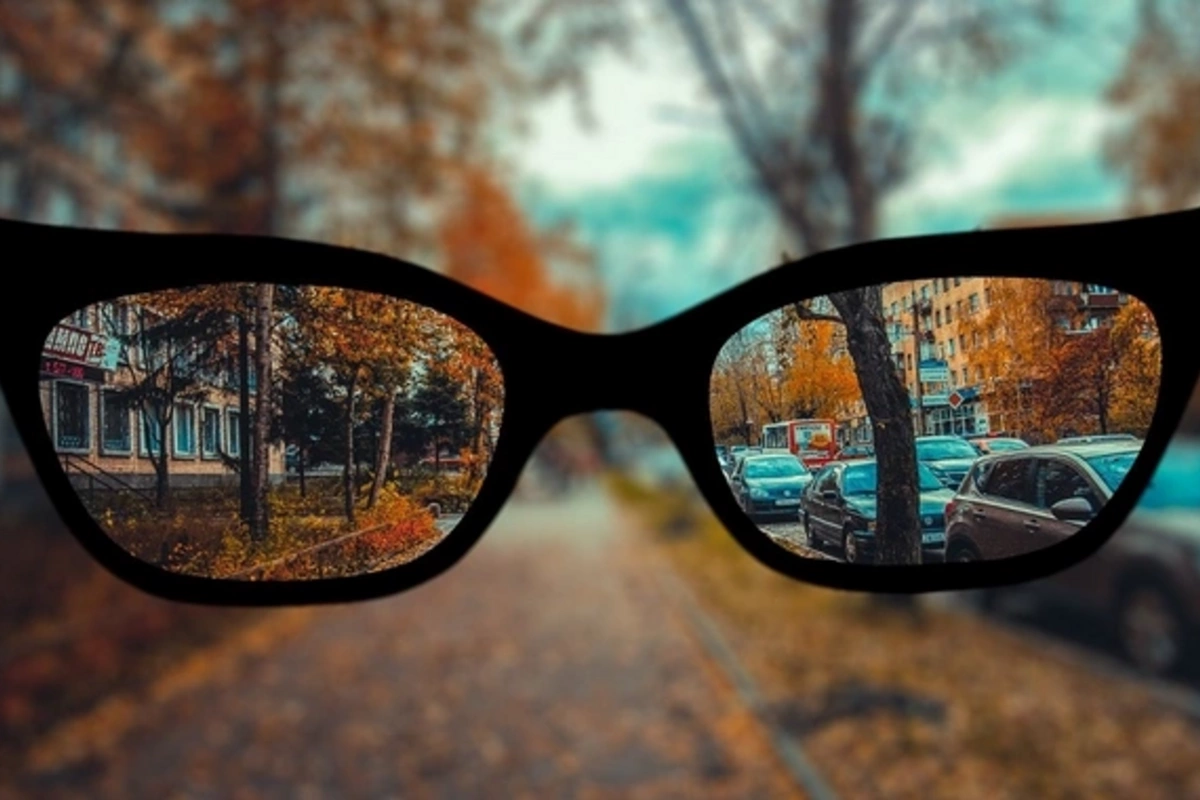
Scientists have discovered that light of a particular blue-violet shade — indigo — can prevent the development of myopia, and have suggested that upgrading indoor lighting could slow the progression of nearsightedness in children. The results of the study have been published in the journal Cell Reports Medicine.
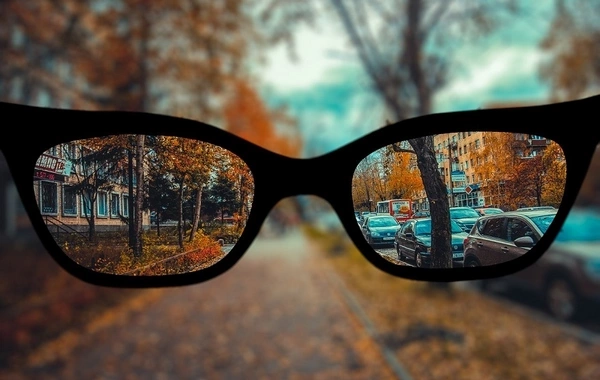
Myopia is rapidly turning into a global epidemic: by 2050, it is projected to affect around 5 billion people — nearly half the world's population. One of the key causes cited is a deficit of the right kind of light: standard white LEDs produce a peak emission around 450 nanometers, whereas natural sunlight is far richer in its range of wavelengths.
A team of researchers tested the effect of indigo light with a wavelength of 419–446 nanometers on treeshrews — small animals whose eyes closely resemble human eyes in structure and optics. The result was striking: in animals exposed to this lighting, myopia did not develop at all.
Earlier experiments on mice had shown that myopia could be inhibited by violet light with a wavelength of around 380 nanometers, but this approach did not work in treeshrews. The reason is simple: the lens blocks most wavelengths shorter than approximately 400 nanometers, and violet light simply cannot penetrate into the eye. The indigo range, however, proved to be both effective and capable of overcoming this barrier.
In the next phase, the scientists plan to install upgraded lighting systems in kindergartens participating in the experiment to compare the rate of myopia development under standard versus "redesigned" light. According to the authors, this is still an experiment rather than a ready-made recommendation. Nevertheless, the researchers are convinced that properly selected lighting in kindergartens and schools could become a simple and safe tool for curbing the spread of myopia among children worldwide.