




07 Aug , 09:35
0
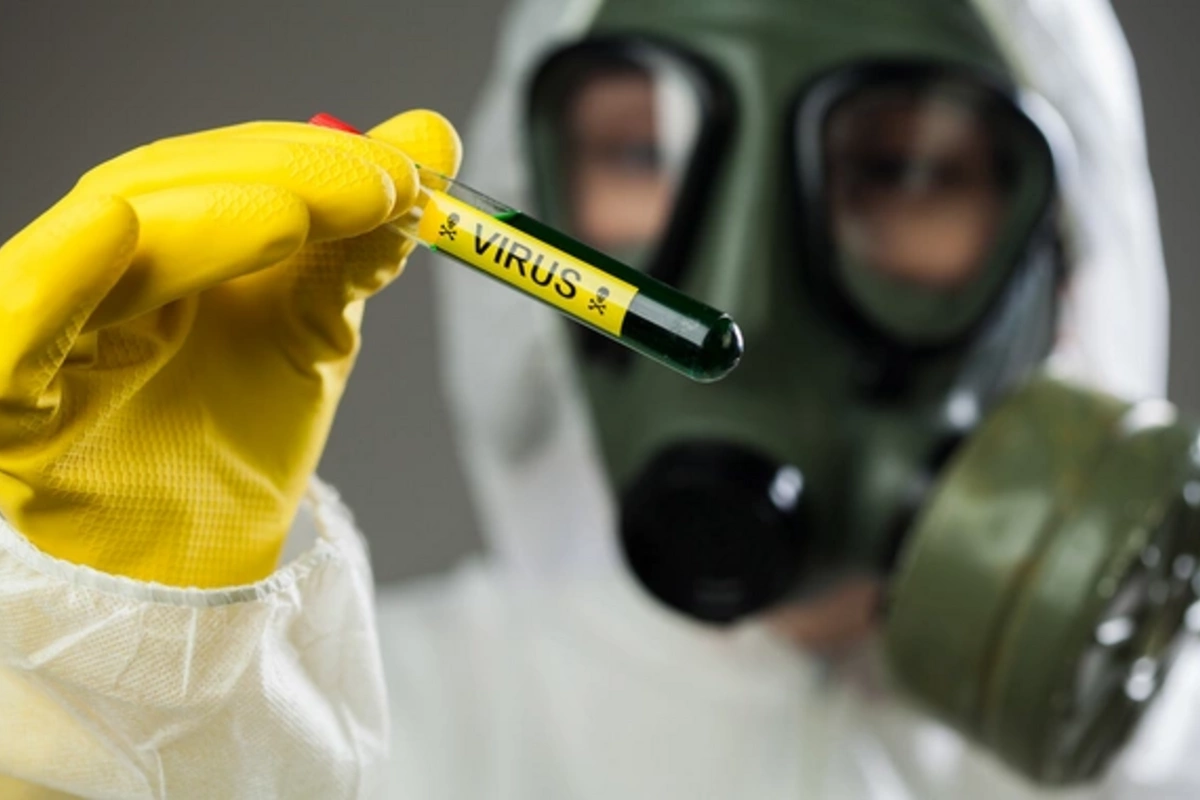
American researchers from the Arc Institute have presented a neural network capable of independently designing functional bacteriophages that have never been found in nature. The information was published in the journal Science.
Artificial intelligence has learned to create viruses from scratch — and they work. The bacteriophages synthesized in the laboratory demonstrated real effectiveness against pathogenic strains of E. coli resistant to standard treatment methods.
At the core of the breakthrough is the Evo model, trained on massive arrays of genetic data. The team led by Brian Hie additionally trained the algorithm on genomes of viruses from the Microviridae family, turning it into a highly specialized tool for designing phages.
The starting point for the experiments was the well-studied phage ΦX174. The neural network generated hundreds of variants of viral structure, 16 of which were successfully synthesized in the laboratory. All of them confirmed their ability to destroy resistant bacteria.
Bacteriophages are regarded by experts as one of the most promising solutions to the problem of antibiotic resistance — one of the most serious challenges for modern medicine. Phage therapy, which historically developed predominantly within the Soviet scientific school, has been experiencing a true renaissance worldwide in recent years.
The authors particularly emphasize the safety of the technology: the neural network was trained exclusively on data from viruses that infect bacteria, without including human genomes or pathogens dangerous to people. Nevertheless, the developers call for the establishment of clear ethical and regulatory standards in the field of AI application in biological research — to prevent the risks of accidental or malicious creation of harmful organisms.