




01 May , 22:14
0
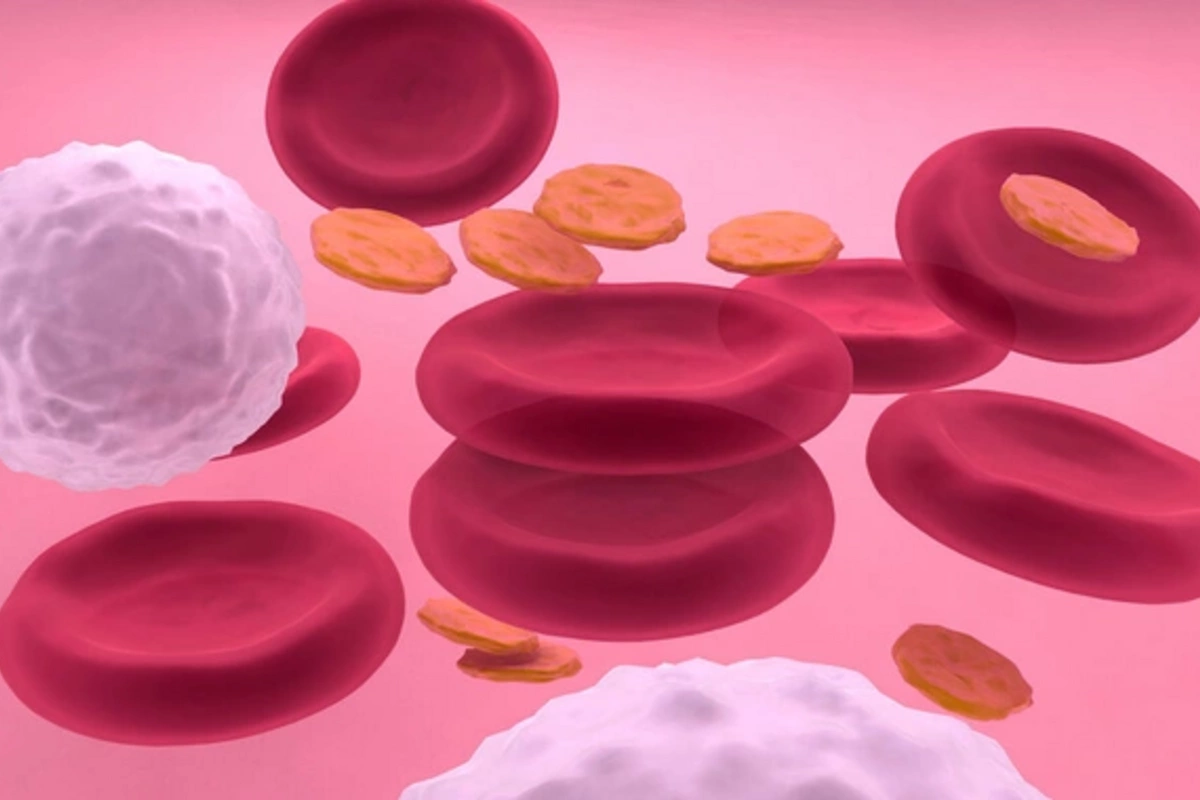
Scientists from McGill University have proposed a revolutionary method for stopping bleeding in just five seconds — using modified erythrocytes, red blood cells. The results of the breakthrough study have been published in the journal Nature.
Normally, platelets are responsible for stopping bleeding — they are the ones that form the protective clot, or thrombus. However, the Canadian researchers took an entirely different approach and utilized erythrocytes. These cells possess a number of important advantages: they are more flexible, circulate longer in the bloodstream, and penetrate damaged tissues significantly better.
To make erythrocytes "stick" to one another, the scientists employed so-called "click chemistry" — ultrafast chemical reactions that cause no harm to cells. Special molecules were attached to the erythrocyte membranes that, upon contact with polymer chains, instantly bond with each other. The result is a dense and elastic material resembling a gel.
Laboratory tests demonstrated impressive results: the artificial clots proved to be 13 times more resistant to breakdown than natural thrombi. In experiments on rats with liver injuries, the new material stopped bleeding faster and more effectively than gelatin-based medical sealants used today. Additionally, it caused a noticeably lower inflammatory response.
"Clots formed in less than five seconds compared to 265 seconds in untreated rats, and blood loss was only 24 milligrams versus nearly 2,000 milligrams," the scientists specified.
The study's authors emphasize that the development could prove especially valuable in emergency medicine — in cases of severe trauma and surgical operations where every second counts and rapidly stopping blood loss is critically important.
Since the chemical reactions used have already been applied in other medical technologies and have demonstrated their safety, the next stage will involve testing on larger animals, followed by clinical trials involving humans.