





29 Apr , 13:33
0
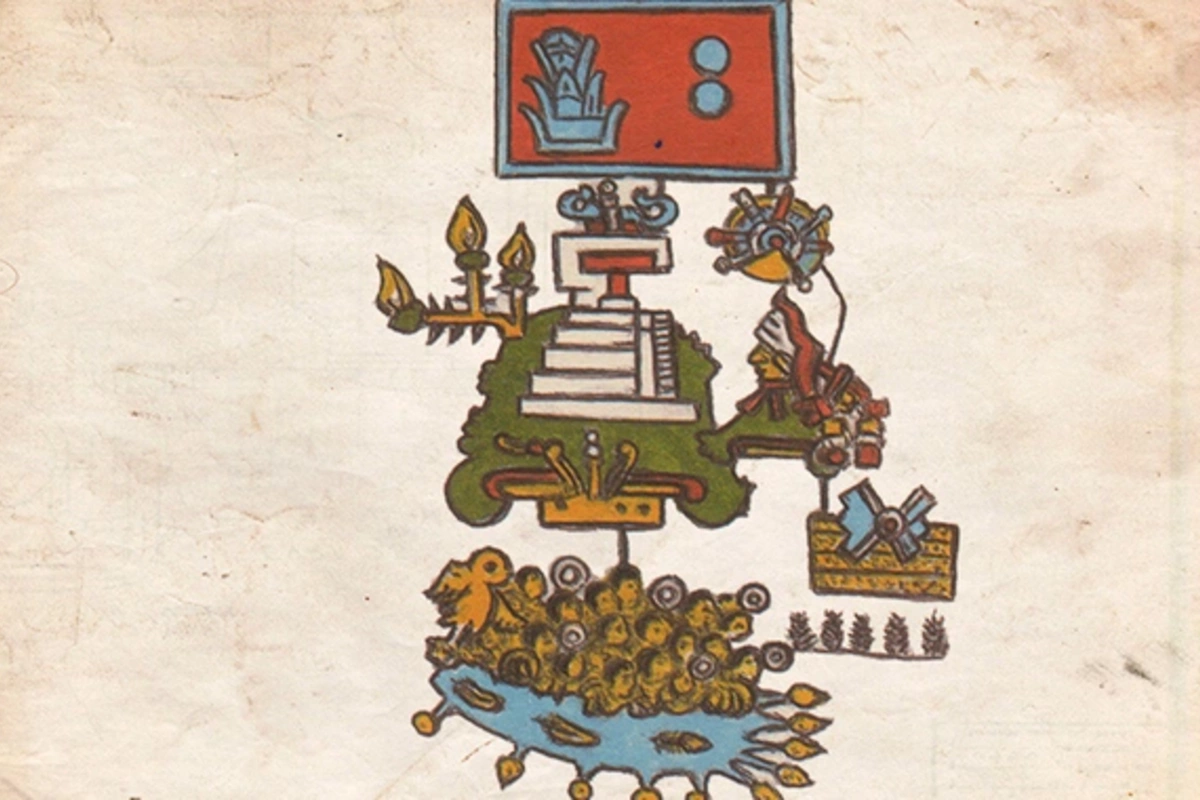
A team of scientists led by Benjamin Gwinnett from the University of Montreal has established that a possible cause of the Maya civilization's decline was drought, which led to resource shortages and disruption of trade exchange. The results of the study were published in the journal Biogeosciences.
The researchers analyzed bottom sediments of Lake Laguna Itzán, near which one of the significant Maya cities — Itzán — was located. The scientists studied sedimentary rock cores dating from four thousand to 3,300 years old, which made it possible to reconstruct the history of the region's settlement and changes in natural conditions.
The analysis showed that the first permanent settlements in this area emerged around 3,200 years ago. In the early stage, residents actively practiced slash-and-burn agriculture, cutting down and burning forests to create fertile plots. Later, as the population grew, the use of fire decreased, indicating a transition to more sustainable farming methods.
The key discovery was the complete absence of signs of prolonged droughts in the Itzán area. Hydrogen isotope analysis demonstrated that the climate in this zone remained relatively stable even when severe drought conditions were recorded in other Maya regions.
However, despite the favorable climate, the population of Itzán declined sharply around the same period — between 750 and 1000 CE — when the general decline of the Maya civilization was occurring. This fact calls into question the traditional theory linking the collapse exclusively to climate change.
The study's authors believe that the high interconnectedness of Maya cities may have played a decisive role. Droughts in some regions triggered resource shortages, increased conflicts, and the destruction of trade links. The chain reaction that was set in motion — population migrations and destabilization of the entire system — ultimately affected even those areas where the climate remained favorable.