







19 Jul , 20:30
0
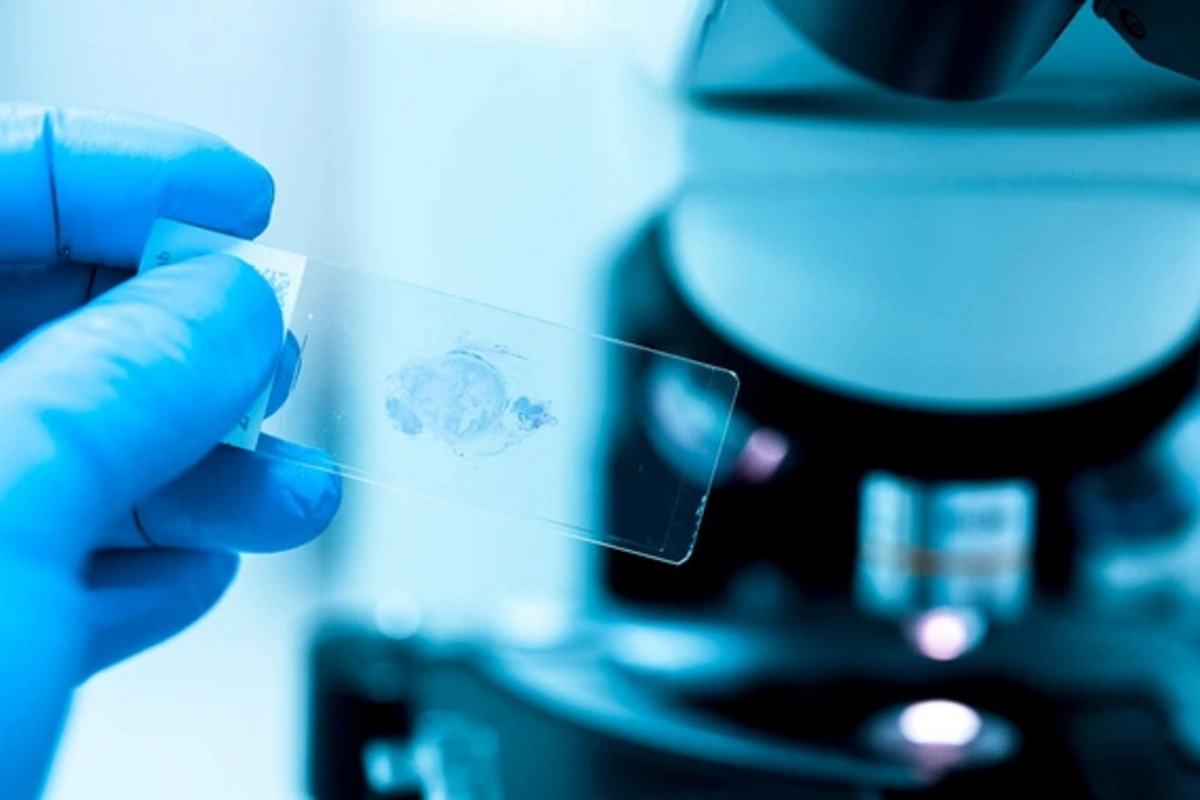
American scientists have uncovered one of the key mechanisms of aging: with age, macrophages — the immune system's "cleanup" cells — lose their ability to effectively destroy spent neutrophils. These accumulate in tissues, provoking chronic inflammation, which is recognized as one of the main drivers of age-related changes. The results of this breakthrough study have been published in the journal Science.
The focus of the scientists' attention was the interaction between two types of immune cells: macrophages, which serve as the body's "orderlies," and neutrophils — the frontline fighters against infections and inflammation. In a young body, this system works like clockwork: macrophages promptly engulf neutrophils as soon as they complete their task. But over the years, this well-tuned mechanism begins to malfunction.
A series of experiments identified the specific "culprit." It turned out that aging neutrophils begin to overproduce the protein CD47 — a molecular "don't eat me" signal. This peculiar protective shield prevents macrophages from disposing of spent cells in a timely manner. As a result, neutrophils accumulate and continue to fuel inflammatory processes that destroy tissues.
The most interesting part came when the researchers blocked the action of CD47 in elderly mice. The macrophages seemed to "wake up" and once again began actively removing old neutrophils. The outcome was a noticeable reduction in chronic inflammation and improvement in the condition of various tissues.
The authors of the study note that the discovery sheds light on a long-standing mystery: why the risk of a wide variety of diseases — from cardiovascular pathologies to neurodegenerative disorders — increases sharply with age. They are all united by a common denominator — chronic inflammation, which is recognized as one of the fundamental factors of bodily aging.
At the same time, the researchers urge restraint: there is no talk yet of creating an "anti-aging pill." However, the results have identified a promising therapeutic target — restoring the normal function of immune "cleanup" could potentially slow age-related changes and reduce the risk of developing a whole spectrum of diseases.