
09 Mar , 18:19
0
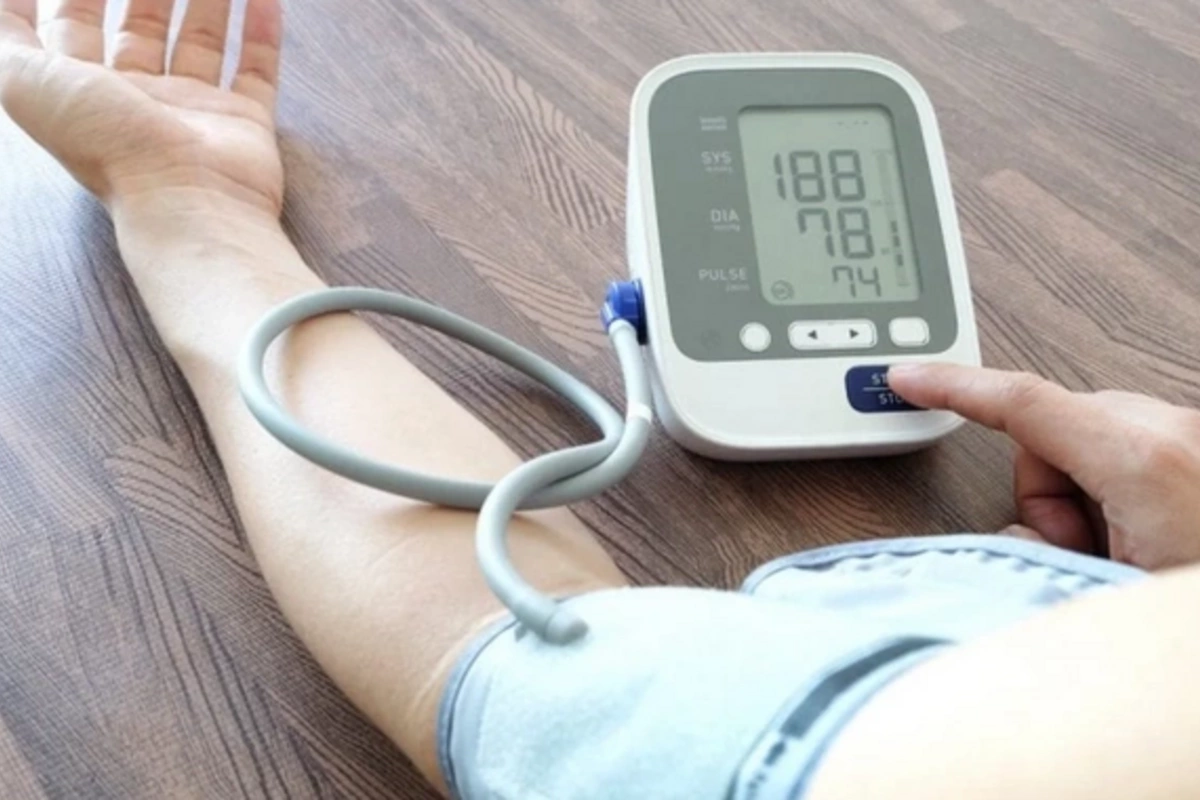
Measuring blood pressure (BP) may seem like an elementary procedure at first glance, but in practice even the slightest errors can lead to an incorrect diagnosis and unjustified treatment adjustments. Among the most common mistakes are using an incorrectly sized cuff (one that is too narrow can inflate readings by 10–40 mmHg), taking measurements immediately after physical activity, caffeine consumption, or smoking, talking during the procedure, and insufficient rest before the measurement (less than 5 minutes). Each of these factors shifts the result toward higher readings.
This was reported to gazeta.ru by Russian cardiologist Evgeny Kokin.
"Body posture also plays a decisive role. If a person sits without back support, their sympathetic nervous system is activated — and blood pressure jumps by 5–15 mmHg. Crossed legs add another 2–8 mmHg. The correct position is feet flat on the floor, back pressed against the chair back. Measuring while lying down is acceptable, but comparing those numbers with readings taken while sitting would be incorrect. The position of the arm is equally important: every 10 cm above heart level underestimates BP by approximately 7 mmHg, while below heart level it overestimates it by the same amount. The cuff should be at the level of the midpoint of the chest — the fourth intercostal space. An arm hanging down or raised up will inevitably distort the result," the doctor emphasized.
In addition, the specialist drew attention to the importance of considering where exactly the measurement is taken and what device the patient uses.
"False positive results frequently occur due to the so-called 'white coat effect' — stress in the doctor's office — while false negatives occur with masked hypertension, when blood pressure is normal in the clinic but readings are excessively high at home. Arrhythmias — atrial fibrillation, extrasystoles — distort the readings of mechanical tonometers, while automatic devices may malfunction with a weak pulse or arterial calcification (pseudohypertension). There are also purely equipment-related errors: overdue calibration verification of mechanical sphygmomanometers (recommended once a year), wear of the bulb or manometer, system leaks, and dead batteries in automatic devices. Even a high-quality device requires regular calibration," the doctor explained.
The specialist recommends measuring BP twice with an interval of one to two minutes, in a calm environment, sitting with back support, feet on the floor, arm at heart level, and an appropriately sized cuff on a bare upper arm. If there are any doubts, 24-hour ambulatory blood pressure monitoring (ABPM) should be performed.