




06 May , 16:56
0
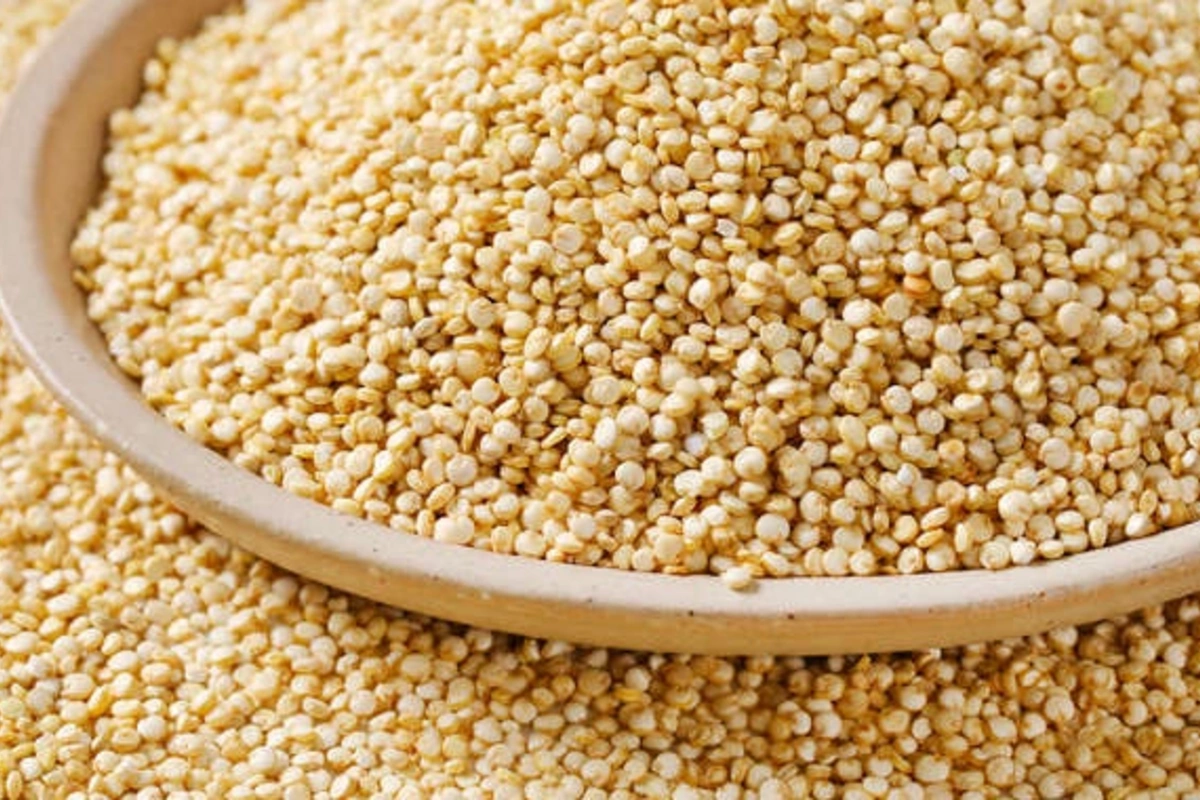
Compounds found in the outer layer of quinoa are capable of slowing the development of colorectal cancer while simultaneously enhancing the body's anti-tumor defenses, scientists from China have discovered.
As reported by TUT.AZ with reference to the journal Food & Function, specialists from the Laboratory of Chemical Biology and Molecular Engineering have established that triterpenoids — natural substances found in quinoa bran — play a key role in this process.
During experiments conducted both in laboratory conditions and in animal models, these compounds demonstrated pronounced anti-tumor effects. Notably, the researchers did not detect any toxic impact on vital organs, which gives the obtained results particular value.
It was found that triterpenoids trigger the accumulation of reactive oxygen species inside cancer cells. This disrupts mitochondria and initiates a chain reaction involving caspase enzymes, which culminates in apoptosis — programmed cell death. In effect, the tumor loses its ability to grow, as its structure is destroyed from within.
However, the discoveries do not end there. The scientists recorded a powerful influence of these substances on the immune system. Triterpenoids activate endoplasmic reticulum stress and shift the death of tumor cells into an immunogenic form. In the process, signaling molecules — ATP and the protein HMGB1 — are released, which help immune cells recognize and attack the tumor.
Against the backdrop of these processes, dendritic cells mature and CD8+ T-lymphocytes massively infiltrate the tumor tissue — and it is precisely these cells that are considered the primary "hunters" of malignant formations. According to foreign experts, such a "vaccine-like" effect significantly amplifies the body's immune response.
The study authors emphasize that they have discovered a dual mechanism of action: triterpenoids simultaneously destroy cancer cells directly and mobilize the body's own defense forces. Nevertheless, despite the promising results, the scientists insist on the need for full-scale clinical trials before the discovery can be discussed in terms of practical medical application.