




04 May , 21:13
0
High-intensity interval training (HIIT) most effectively improves vascular health in people with cardiovascular diseases without causing exacerbation of pathologies. This conclusion was reached by scientists at Miguel Hernández University (Spain). The results of the study were published in the European Journal of Preventive Cardiology (EJPC).
The large-scale analysis covered data from 6,818 patients suffering from ischemic heart disease and chronic heart failure. The specialists compared the effectiveness of several types of exercise: moderate-intensity cardio training, strength exercises, combined programs, and HIIT.
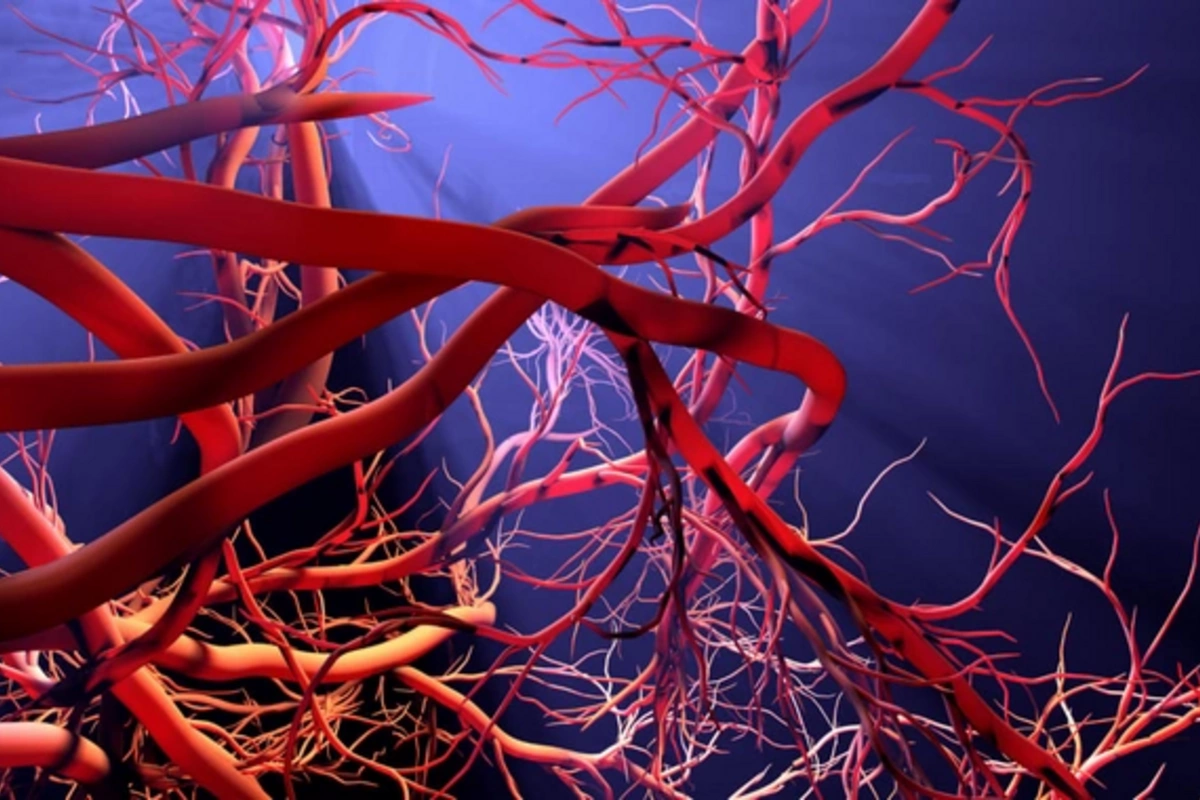
It was found that virtually all types of physical activity have a beneficial effect on endothelial function — the inner lining of blood vessels, which directly determines their elasticity and ability to dilate. However, HIIT proved to be the undisputed leader.
The essence of this type of training is alternating short bursts of maximum exertion with recovery periods. This regimen provokes sharp fluctuations in blood flow, enhancing what is known as "shear stress" — the force with which blood acts on the vessel walls. This triggers increased production of nitric oxide — a key substance responsible for arterial dilation and protection against damage.
According to the data obtained, HIIT significantly outperforms classic moderate-intensity aerobic training in terms of flow-mediated dilation (FMD) — the primary non-invasive method of assessing endothelial health.
The authors of the study also point out that longer intervals of high-intensity exertion may provide additional benefits, although this conclusion still requires confirmation. Combined programs incorporating both cardio and strength exercises demonstrated even more impressive results, but the volume of such data remains limited.