





01 Oct , 21:54
0
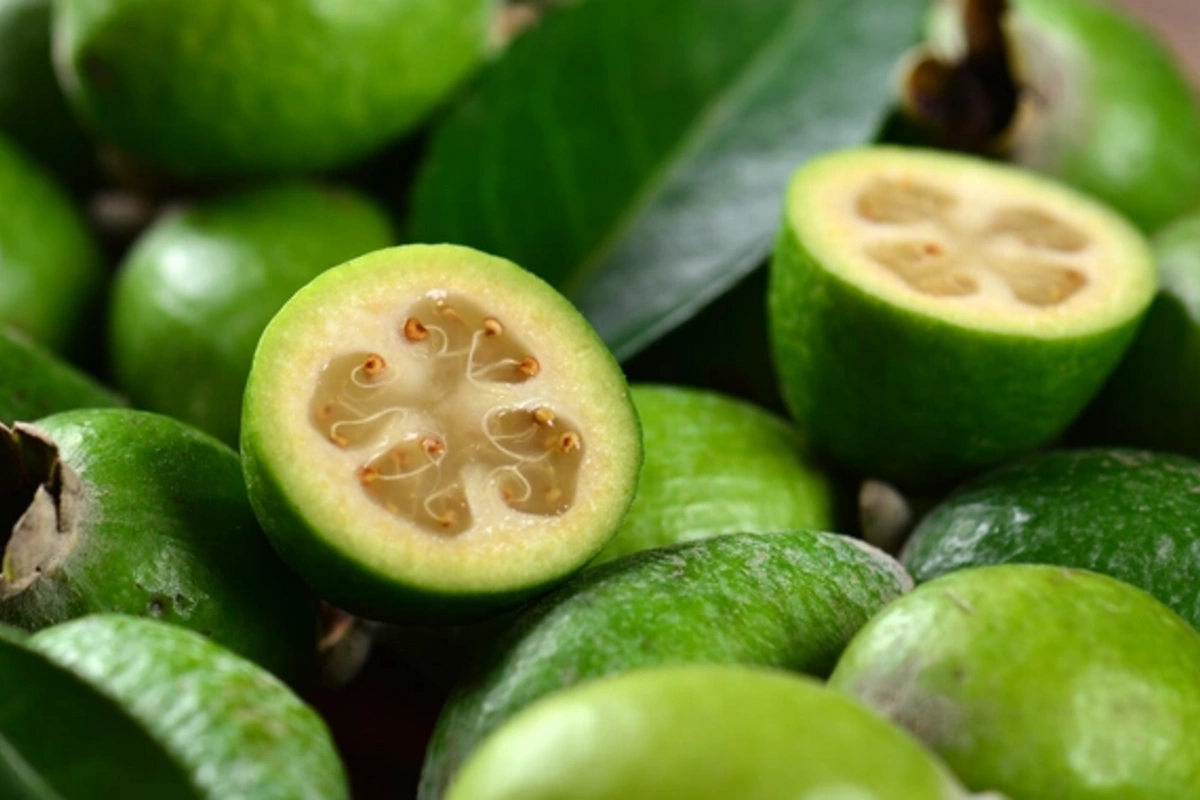
The exotic feijoa fruit has surprised scientists: in people with prediabetes who took a powder made from this fruit, systolic blood pressure dropped more noticeably than in those who received a placebo. The results of the study have been published in the journal Diabetes, Obesity and Metabolism.
Specialists from the University of Auckland conducted a clinical trial involving 97 volunteers with prediabetes — a condition considered a precursor to type 2 diabetes. Over the course of six months, participants took approximately one gram of feijoa powder or a placebo daily alongside a weight loss program.
Initially, the scientists wanted to determine whether feijoa could slow the development of diabetes, but the main finding turned out to be an unexpected effect on blood pressure. However, this effect did not appear in all variants of the statistical analysis, so the researchers remain cautious in their wording. The presumed benefit is attributed to the fruit's bioactive compounds — polyphenols, flavonoids, vitamin C, and abscisic acid, which possess antioxidant and anti-inflammatory properties.
The authors of the study explicitly emphasize that more large-scale trials are needed for reliable conclusions — the sample size was relatively small, and the effect was inconsistent. Calling feijoa a "blood pressure medication" is premature at this point. Nevertheless, the result is noteworthy as an example of how familiar foods can unexpectedly affect health, and as a reason to take a closer look at this fruit. Overall, the study serves as yet another reminder that the foundation of diabetes and hypertension prevention remains simple — weight management, physical activity, and a balanced diet.
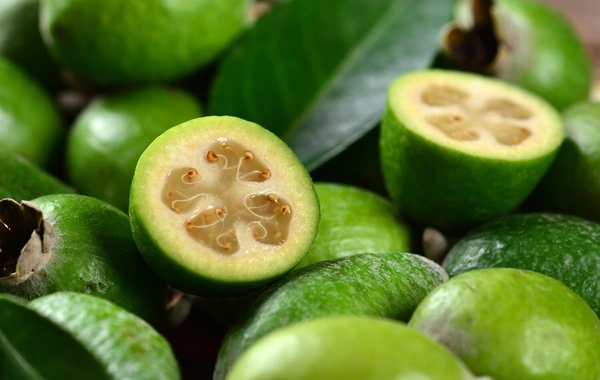
Feijoa is a relative of myrtle native to South America, valued for its rich flavor and high content of vitamin C, iodine, and antioxidants. In recent years, such "superfruits" have been actively studied for their potential benefits to metabolism. However, the story of feijoa is a vivid example of how cautiously one should approach such discoveries: even a real effect often turns out to be modest and requires additional confirmation.