





30 Sep , 21:15
0
Swedish scientists from Mälardalen University found that the physical presence of an instructor in the classroom helps students better absorb educational material. However, their overall satisfaction with the educational process depends on the quality of technical equipment and a competent pedagogical approach, rather than the lecturer being in the same room as the audience. The results of the study were published in the journal Frontiers in Education.
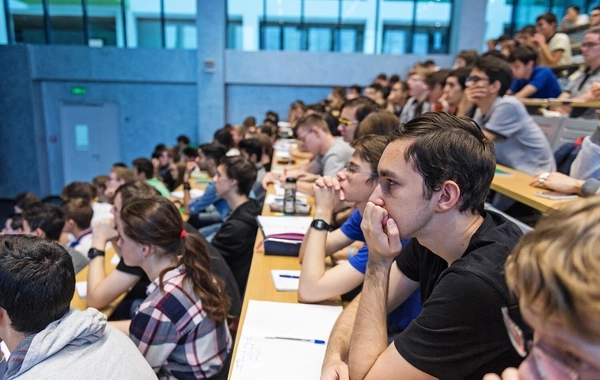
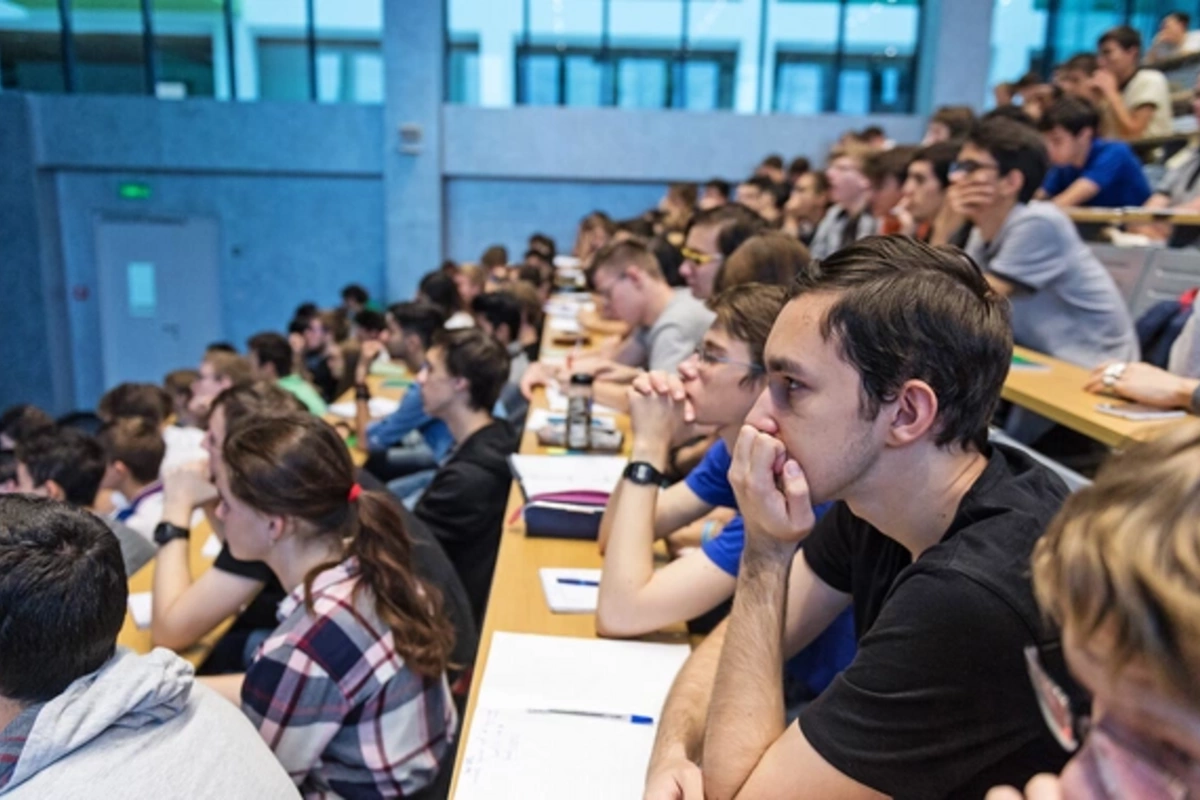
A total of 282 undergraduate students participated in the large-scale experiment. The young people studied at two university campuses — the main one and a "satellite" one — over three consecutive semesters. All lectures were conducted in a synchronous hybrid learning format. The key feature of the experiment was that students were always physically present in university classrooms, while the instructor could deliver the lesson either in person or remotely — via video conferencing from the other campus.
A detailed analysis of the survey results demonstrated that when the lecturer was physically present in the classroom, students at both campuses consistently showed a higher perceived level of knowledge acquisition. Notably, students from the "satellite" branch initially expressed significantly greater satisfaction with their studies than their peers at the main campus. But this difference in sentiment completely disappeared once the researchers accounted for the influence of technical glitches, unstable internet connections, and the specifics of the methodological delivery of the material.
As it turned out, technical malfunctions, a lack of a sense of belonging to the group, and reduced concentration undermined student satisfaction far more than the physical remoteness of the instructor. These pedagogical and technical factors combined accounted for nearly 58% of overall satisfaction scores. This convincingly demonstrates that seamless organization of remote broadcasting and high-quality transmission play a decisive role in learners' comfort — even if the lecturer is delivering the lecture hundreds of kilometers away from the classroom.
Synchronous hybrid learning, which combines in-person and remote formats of interaction, has long become a common practice for universities with multiple branches. It was previously reported that this approach makes higher education more accessible; however, the actual effectiveness of such programs continues to spark debate among experts. The new Swedish study clearly shows that simple video broadcasting does not guarantee quality outcomes. Universities need to purposefully invest resources in reliable digital infrastructure so that students can study comfortably and maintain full-fledged contact with the instructor.