
14 Feb , 09:54
6
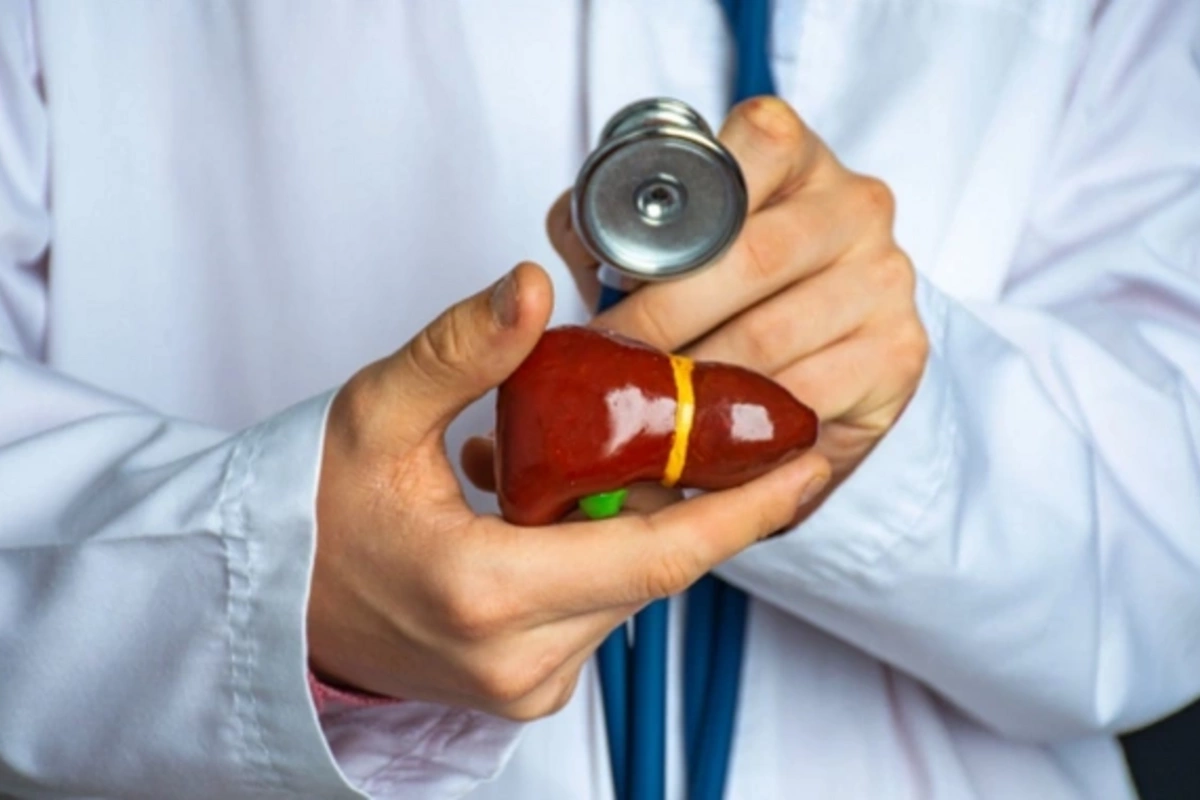
Scientists from the Perelman School of Medicine at the University of Pennsylvania have made an important discovery: excess cholesterol in the blood can transform into microscopic crystals that literally destroy the liver from within. The study was published in the prestigious journal Proceedings of the National Academy of Sciences (PNAS).
As the specialists found, cholesterol in its pure form creates waxy platelets or needle-like structures that are completely insoluble in water. These tiny crystals make liver tissue denser and stiffer even before the organ begins to develop scarring — at the earliest stages of metabolic dysfunction-associated steatotic liver disease (MASLD).
Non-alcoholic fatty liver disease develops when too many lipids accumulate in the organ. It most commonly occurs in people with excess weight, insulin resistance, and type 2 diabetes.
During animal experiments, researchers compared two diets: one simply high in fat and another high in fat with added cholesterol. Fatty liver was observed in both cases. However, with the cholesterol diet, solid inclusions appeared inside the cells — those very crystals.
It was these crystals, rather than the degree of existing fibrosis, that were responsible for the increased tissue stiffness. According to the authors, such crystalline formations trigger a chain of damage and accelerate liver scarring. The encouraging news: when scientists managed to eliminate these structures, tissue density decreased. This means the process is potentially reversible.
For now, cholesterol crystals can only be detected through biopsy. The research team's next step is to develop non-invasive diagnostic methods and test whether existing medications, including statins, can prevent the accumulation of these dangerous crystals.