





03 Mar , 13:17
0
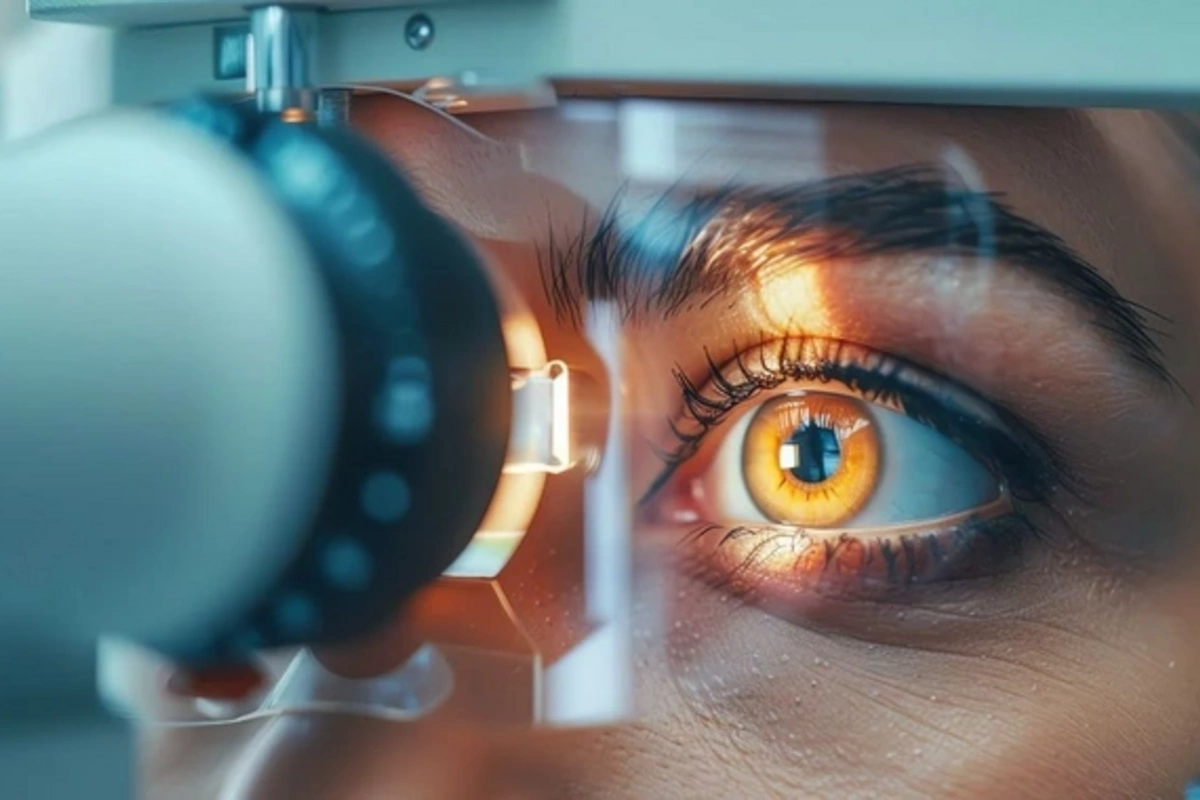
Scientists from the Johns Hopkins University School of Medicine have discovered that cigarette smoke triggers accelerated aging of eye cells through epigenetic changes — disruptions in gene function that occur without damage to the DNA itself. The results of the study have been published in the journal Proceedings of the National Academy of Sciences (PNAS).
It has long been known that smokers face approximately a fourfold increase in the risk of developing age-related macular degeneration — one of the leading causes of vision loss after age 50. Nevertheless, the biological mechanisms behind this association remained a mystery to science for a long time.
As part of the new study, specialists examined in detail how retinal pigment epithelium (RPE) cells, which support the function of light-sensitive photoreceptors, respond to short-term and prolonged exposure to cigarette smoke.
A series of experiments on young and aged mice demonstrated that smoke suppresses the activity of genes critically important for normal retinal cell function while simultaneously reducing chromatin accessibility — the structure responsible for turning genes on and off. As a result, cells lost their ability to withstand stress and exhibited signs of accelerated aging similar to changes seen in human macular degeneration.
Notably, the body's response was found to be directly linked to age. In young animals, protective mechanisms were activated — genes responsible for controlling inflammation, mitochondrial function, and cellular "self-cleaning" processes kicked in. In aged mice, this compensatory response was virtually absent, causing cells to become damaged and die significantly more often.
Additional experiments with human tissues confirmed the similarity of the molecular changes identified, suggesting the potential applicability of the findings to humans. In the next phase, the researchers intend to determine which of the epigenetic changes are reversible and which lead to irreversible vision loss.