




26 Feb , 19:28
0
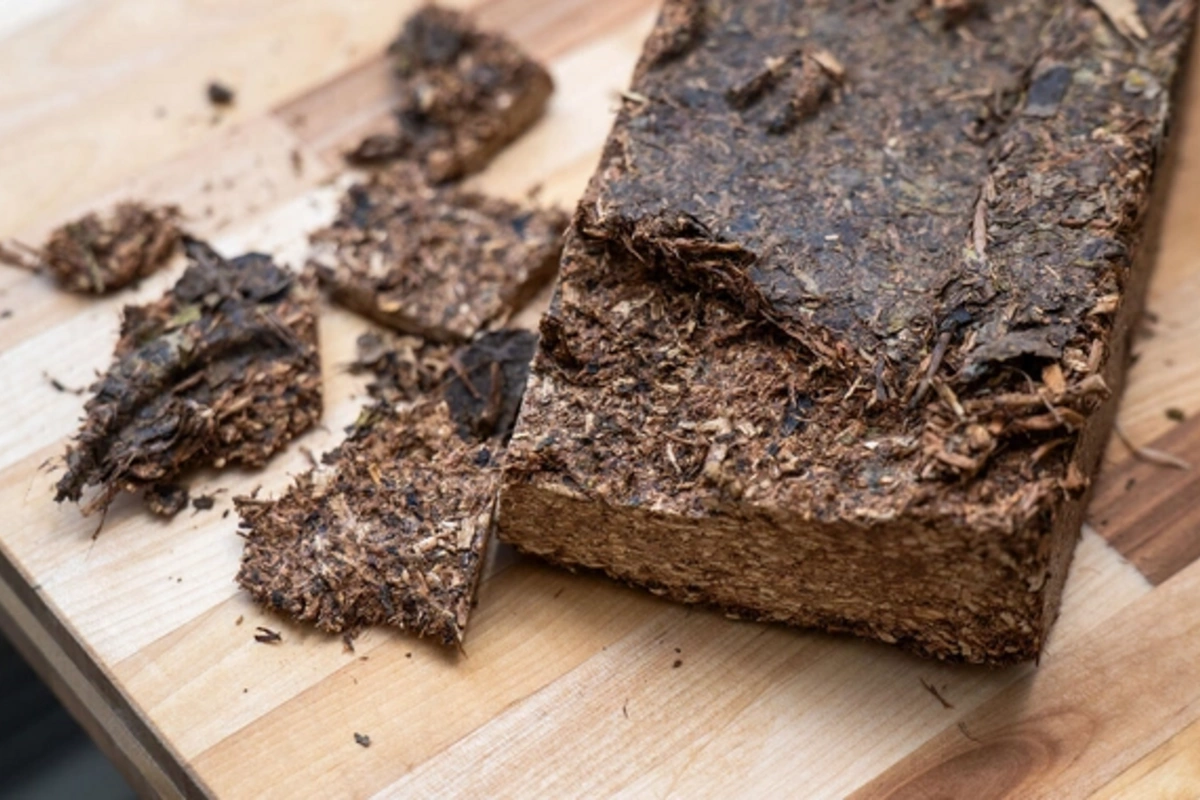
Chinese compressed tea "Fu Brick" helped mice on a high-fat diet accumulate less fat. These results were obtained by scientists from the Jiangsu Academy of Agricultural Sciences, who published their study in the journal Food & Function (F&F).
The subject of the study was fu zhuan — a special variety of post-fermented tea from the heicha group. It is pressed into dense bricks and subjected to prolonged microbial fermentation. During this time, a unique microflora and a whole range of bioactive compounds form within it, which, according to the researchers, are capable of influencing metabolism.
To test this hypothesis, the scientists divided the experimental mice into three groups. The first was fed regular chow, the second received food with a high fat content. The third group of rodents was also on a high-fat diet but additionally received an aqueous tea extract. The result proved to be telling: the animals that were given the extract accumulated noticeably less fat — despite an equally caloric diet.
In-depth analysis revealed the mechanism behind this effect. The tea extract altered the composition of the gut microbiota and activated metabolic pathways associated with fat processing. In particular, the expression of genes responsible for fatty acid oxidation was enhanced — in simpler terms, the body more actively burned fats, using them as an energy source.
The authors of the study emphasize that the experiment was conducted on animals, and full-scale clinical trials are needed to confirm the effect in humans. Nevertheless, the data obtained point to the potential role of traditional fermented tea in regulating lipid metabolism under conditions of excessive fat consumption.