



11 Jan , 16:44
2
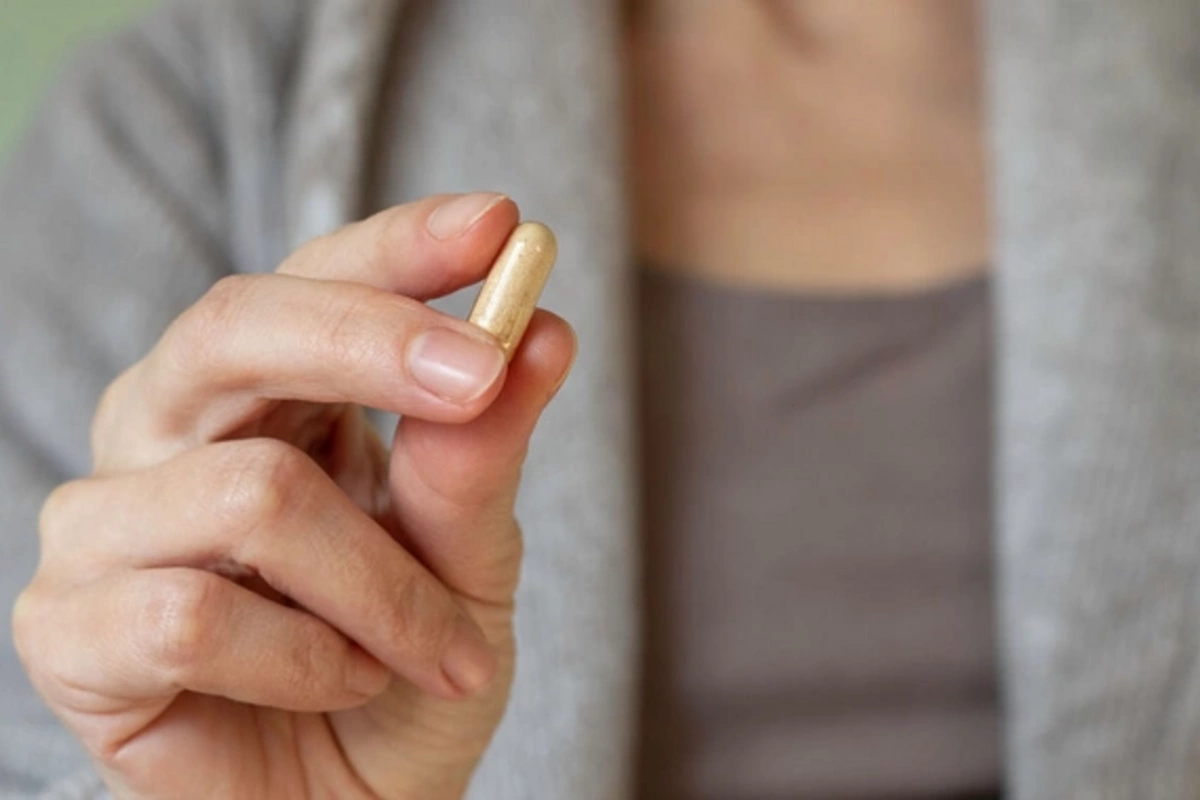
Pale skin, especially when combined with bluish lips, brittle nails, hair loss, and unusual taste preferences, may indicate iron deficiency in the body. This was reported by therapist and occupational pathologist Svetlana Burnatskaya.
As reported by TUT.AZ with reference to "Gazeta.Ru", the specialist emphasized that paleness by itself is not a definitive sign of illness and should be considered along with other symptoms - weakness, shortness of breath, dizziness, and rapid heartbeat. If such manifestations do not disappear for more than two weeks, the medical professional strongly recommends seeking medical attention immediately and getting a complete blood count with ferritin level determination.
According to Burnatskaya, constant fatigue, decreased concentration, cracks in the corners of the mouth, strange food preferences - the desire to consume chalk, ice, or soil (a phenomenon known as "pica"), as well as shortness of breath with minimal physical activity, rapid heartbeat, dry skin and hair should cause particular alertness. Increased attention is required for women with heavy menstruation and people with chronic gastrointestinal diseases.
The medical expert also noted that chronic stress, lack of sleep, and the intense rhythm of modern life significantly worsen iron absorption. Under the influence of the stress hormone cortisol, the permeability of the gastric and duodenal mucosa is disrupted, and the production of hydrochloric acid, which is critically important for iron absorption by the body, is reduced.
With a slight deficiency not accompanied by pronounced anemia, it is possible to restore balance through proper nutrition. Rich sources of iron include beef liver, tongue, beef, oysters, lentils, buckwheat, pumpkin seeds, and sesame. At the same time, Svetlana Burnatskaya particularly noted that independent preventive intake of iron-containing supplements without laboratory confirmation of deficiency is categorically not recommended, as excess iron can be toxic to the body. In the cold season, the doctor recommends regular screening - getting a complete blood count and monitoring ferritin levels.