



20 Dec , 09:55 2025
16
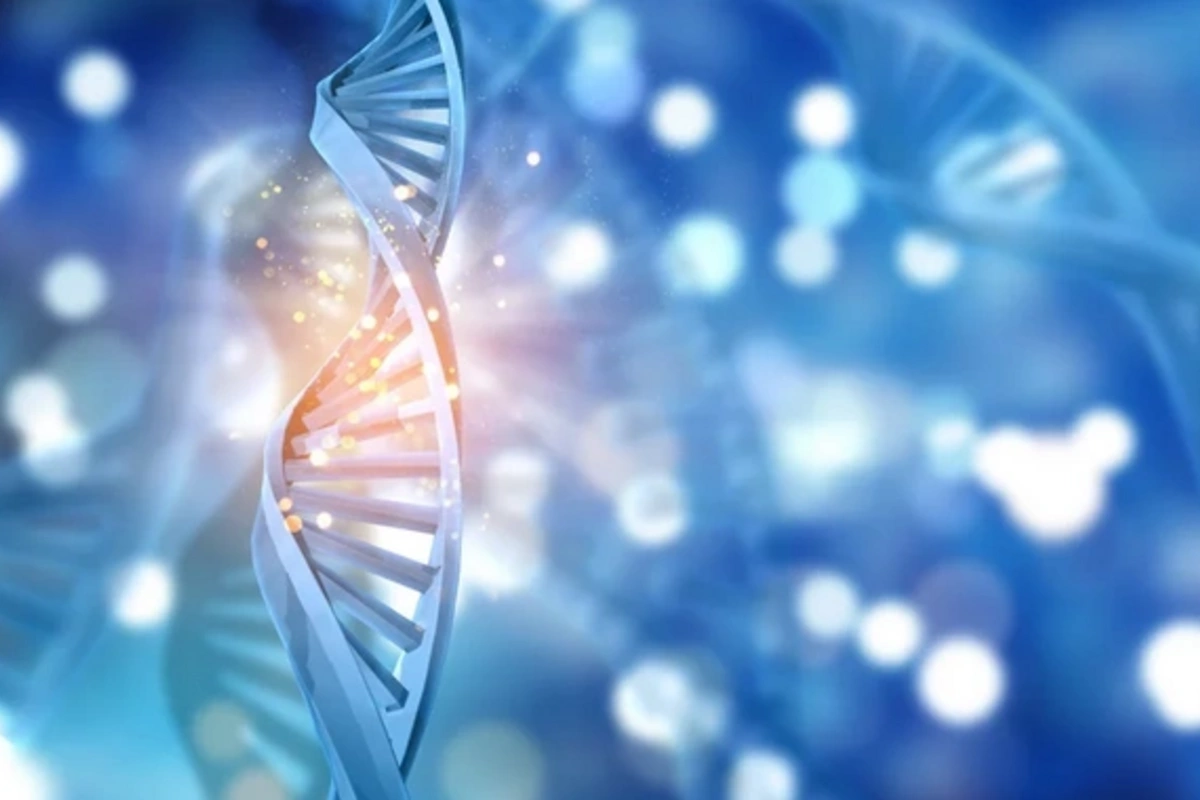
Genetic Key to Centenarian Life: Ancient Hunter-Gatherers Gave Us Longevity Genes
Scientists have discovered a remarkable connection between the longevity of modern humans and their genetic relationship with Europe's ancient inhabitants. Researchers who studied the genomes of Italian centenarians came to an unexpected discovery, the results of which were published in the prestigious scientific journal GeroScience.
During an extensive study, specialists analyzed the DNA of 333 Italians who had crossed the century threshold, and compared their genetic profiles with data from 690 healthy fifty-year-old compatriots. The scientists then compared the obtained information with 103 ancient genomes representing four key ancestral groups: Western Hunter-Gatherers, Neolithic Anatolian farmers, Bronze Age nomads, and ancient populations from Iran and the Caucasus.
The results of the analysis were surprising: centenarians showed a notably higher proportion of genetic heritage from Western Hunter-Gatherers (WHG) – the earliest population of Europe after the end of the last ice age. Meanwhile, genetic traces of other ancient populations did not demonstrate any connection with extreme longevity.
According to the researchers' calculations, even a slight increase in the proportion of hunter-gatherer DNA improved the chances of living to a hundred years by approximately 38%. This effect was particularly pronounced in women – with a high concentration of such a genetic component, the probability of becoming a long-lived woman increased more than twofold.
Scientists note that lifespan is formed under the influence of a complex of factors – genetic characteristics, environment, and lifestyle. However, the new data suggests that the role of ancient evolutionary heritage in determining lifespan may be much more significant than previously thought.