




13 Jan , 19:58
0
Natural Compound from Barberry Can Protect Vascular Cells from Death - Discovery by Chinese Scientists
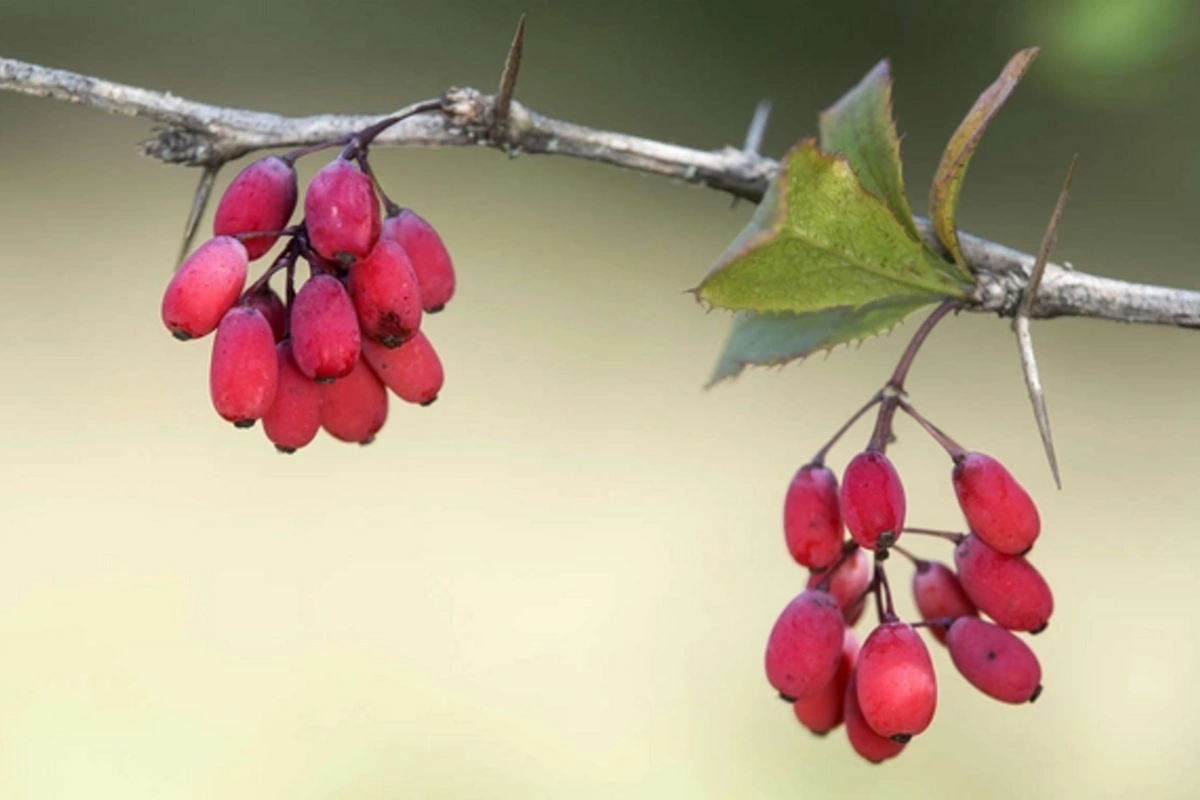
Researchers from the Southwest Medical University in Luzhou (China) have made an important discovery in the field of cardiovascular medicine. According to their work, published in the prestigious journal Phytotherapy Research, berberine - a natural compound found in barberry - effectively prevents the death of endothelial cells that line the walls of blood vessels.
Scientists had previously established the positive effects of berberine on the cardiovascular system, including lowering blood pressure and improving vascular function. However, until now, the exact mechanisms of this action remained a mystery. The new research reveals for the first time the details of the protective effect of this natural compound.
The scientific team focused on the EIF2AK2 kinase signaling pathway (also known as protein kinase R), which is responsible for controlling the processes of aging and destruction of vascular lining cells. Experiments showed that the substance methylglyoxal triggers aging and cell death through the activation of EIF2AK2. Berberine acts as a protector, blocking the dimerization (combination of molecules) of EIF2AK2.
The study also revealed another protective mechanism of berberine, related to its effect on the eIF2α protein. This protein controls the synthesis of new protein molecules in the cell, acting as a "conductor" of the cellular assembly line. When the protein undergoes chemical modification (phosphorylation), the production of new proteins stops, leading to aging and cell death. Berberine prevents this negative modification, preserving cell viability.
"Our results confirm that berberine can protect blood vessels and has significant therapeutic potential in fighting cardiovascular diseases. Targeting the EIF2AK2 molecule could also serve as a basis for developing new drugs," notes the research group.