




09 Jan , 17:54
0
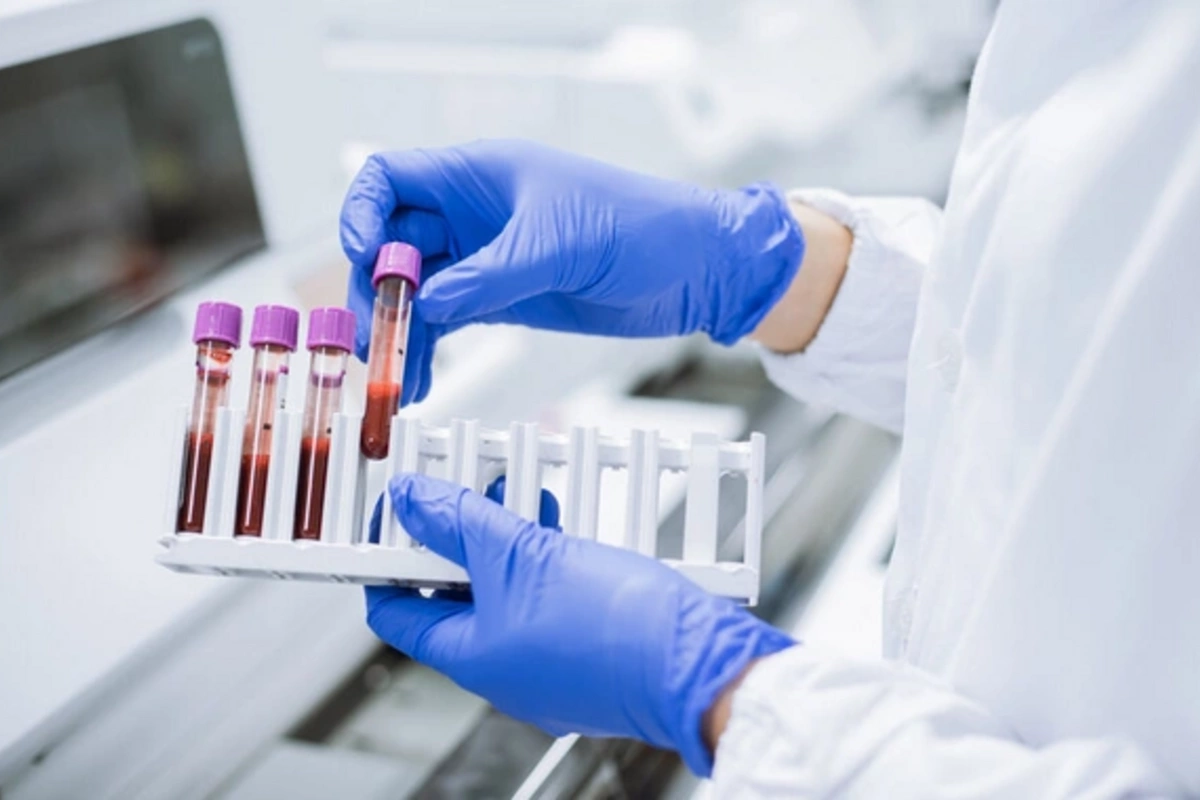
Scientists have discovered a genetic variant that reduces the risk of blood cancer by one-third. Researchers from the Universities of Vienna and Tartu found that the rs17834140-T variant slows down the spread of dangerous mutations in blood stem cells, preventing the formation of malignant clones.
As reported by TUT.AZ with reference to Science, blood cancer encompasses an entire group of oncological diseases, including leukemia, that attack the bone marrow and hematopoietic system. The disease usually begins with an error in the DNA of a stem cell, after which the mutated cell begins to actively multiply — a process known to specialists as clonal hematopoiesis. With age, the number of such clones increases, which significantly raises the probability of malignant transformation.
As part of a large-scale genomic study covering more than 640 thousand people, scientists conducted a comparative analysis of tens of thousands of people with and without mutations. The result was the identification of the rs17834140-T variant in the 17q22 chromosome region. To study the mechanism of its action in detail, researchers introduced this variant into human stem cells and then observed their behavior both in laboratory conditions and in mouse models.
The study showed that the protective version of the gene reduces the level of the MSI2 protein, which plays a key role in accelerating cell growth. During the development of oncological processes, MSI2 contributes to the rapid capture of bone marrow by mutated cells, whereas its reduced expression significantly decreases the likelihood of malignant transformation.
According to the study authors' estimates, carriers of the rs17834140-T variant have approximately 30% lower risk of developing several types of blood cancer. The scientists particularly emphasize that this is not about complete protection against the disease, but only about shifting the biological balance toward protection. In the future, specialists hope to develop drugs or therapeutic methods that can reproduce this natural protection mechanism and help in the prevention of leukemia among people from high-risk groups.