







08 Mar , 14:46
0
Prediabetes can progress to diabetes within a few years — experts warn
As reported by TUT.AZ citing "Gazeta.Ru," Russian endocrinologist and staff member of the Russian Gerontological Research and Clinical Center at Pirogov University, Natalya Sevastyanova, stated that prediabetes can, on average, develop into full-blown diabetes mellitus in just five to seven years.
The condition in question is a carbohydrate metabolism disorder in which blood glucose levels already exceed normal limits but do not yet meet the diagnostic criteria for diabetes mellitus. Doctors are sounding the alarm: this condition is considered a direct precursor to type 2 diabetes and demands immediate attention to one's health.
According to the specialist, even at the earliest stages of metabolic disorders, the body faces serious threats. These include a sharply increased risk of cardiovascular diseases, blood pressure spikes, disruptions in lipid metabolism, as well as complications traditionally associated with diabetes: retinal damage, nerve ending damage, and kidney pathologies.
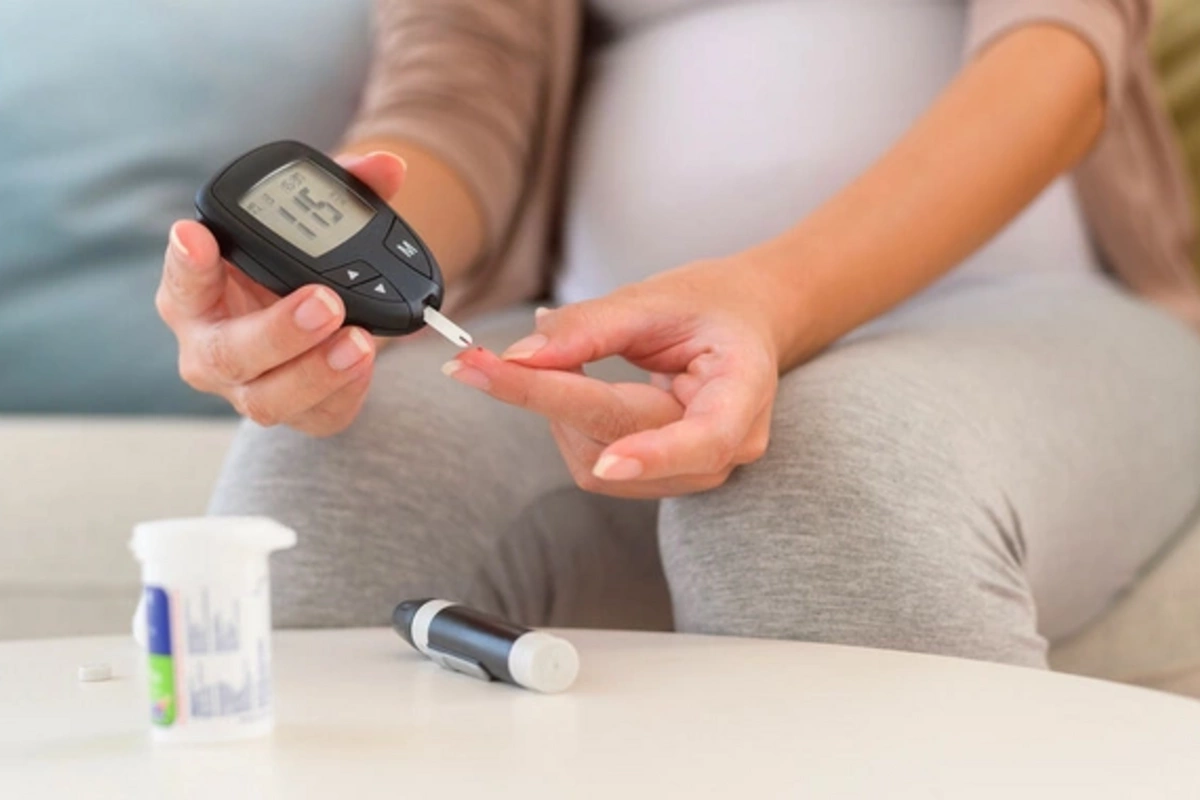
The main insidiousness of prediabetes, the expert emphasizes, lies in its hidden course. Symptoms are often extremely mild or absent altogether, yet elevated sugar levels are already silently destroying blood vessels and the nervous system. It is precisely for this reason that many people learn about the problem entirely by chance — during routine examinations or when measuring glucose on their own with a glucometer.
Medical professionals include in the high-risk group people who are overweight or obese, those who lead a sedentary lifestyle, and anyone over the age of 40. Specialists insist that timely diagnosis and decisive lifestyle changes can dramatically reduce the likelihood of developing diabetes.
It is also important to consider that the diagnostic criteria for prediabetes can vary significantly across different countries and medical organizations. For instance, the World Health Organization and the Russian Association of Endocrinologists rely on the oral glucose tolerance test, while the American Diabetes Association applies a lower fasting glucose threshold — approximately 5.5 mmol/L. A number of specialists consider glycated hemoglobin levels to be the most convenient marker, since its determination requires no special preparation from the patient.
Doctors are unanimous: the key preventive measures remain a revision of dietary habits, increased physical activity, and regular monitoring of health indicators.