




14 Mar , 12:16
0
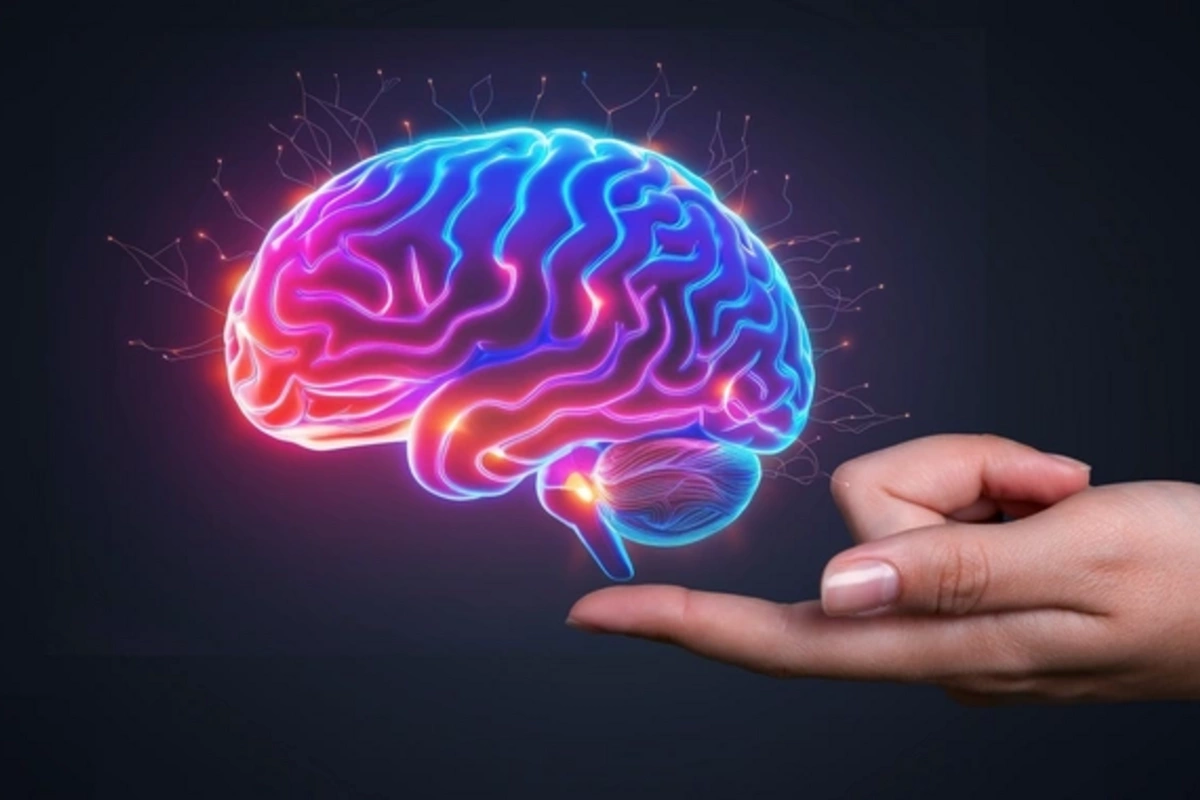
German scientists have achieved a breakthrough in cryopreservation: for the first time, brain tissue has been frozen to −196 °C and had its functional activity restored after thawing. The results of the study have been published in the prestigious journal Proceedings of the National Academy of Sciences (PNAS).
Ice crystal formation has long remained the main enemy of brain cryopreservation. When freezing occurs, water inside cells turns into ice, ruthlessly destroying cell membranes and tearing apart the finest connections between neurons. After thawing, such tissue was essentially dead.
A team from the University of Erlangen-Nuremberg managed to overcome this obstacle through vitrification — ultra-rapid cooling in which ice simply does not have time to form. Instead of crystallizing, the liquids inside cells transition into a glass-like state, virtually completely halting molecular movement and preserving the tissue's architecture intact.
For the experiment, the scientists took thin slices of the mouse hippocampus — a brain region that plays a key role in learning and memory. The samples were immersed in liquid nitrogen, cooled to a temperature of approximately −196 °C, and stored in this state for anywhere from ten minutes to an entire week.
The tissue was then carefully thawed. The analysis results proved impressive: the cell membranes of neurons and synapses remained intact. Moreover, the mitochondria — the energy powerhouses of cells — functioned normally.
But the most astonishing discovery lay elsewhere: neurons began generating electrical signals again. The cells responded to stimulation in virtually the same way as samples that had not been subjected to freezing.
In addition, the researchers recorded signs of long-term potentiation — the process of strengthening synaptic connections that is considered the cellular basis of learning and memory. This indicates that what survived the freezing was not merely individual cells but elements of entire neural networks.
Behind this success lies a carefully selected set of cryoprotective substances that were introduced into the tissue gradually to avoid causing damage. During thawing, the samples were heated rapidly — at a rate of approximately 80 °C per second — which prevented the formation of destructive ice crystals.
The scientists also attempted to apply the technology to an entire mouse brain. Here, the main obstacle was the blood-brain barrier — the brain's natural protective system that blocks large molecules. To overcome it, the researchers alternately perfused protective substances and a special carrier solution through the blood vessels.
So far, experiments have been conducted only on thin tissue slices, and observations of the thawed samples lasted just a few hours. Nevertheless, the data obtained convincingly demonstrate that key brain structures are capable of surviving deep freezing far better than previously believed.
According to the specialists, practical application of the technology for human "cryosleep" or long-term storage of entire organisms is still very far off. However, the research opens up prospects in medicine — from preserving donor organs before transplantation to protecting the brain after severe injuries.
"Such progress is gradually turning science fiction into scien