







17 Dec , 15:22 2025
23
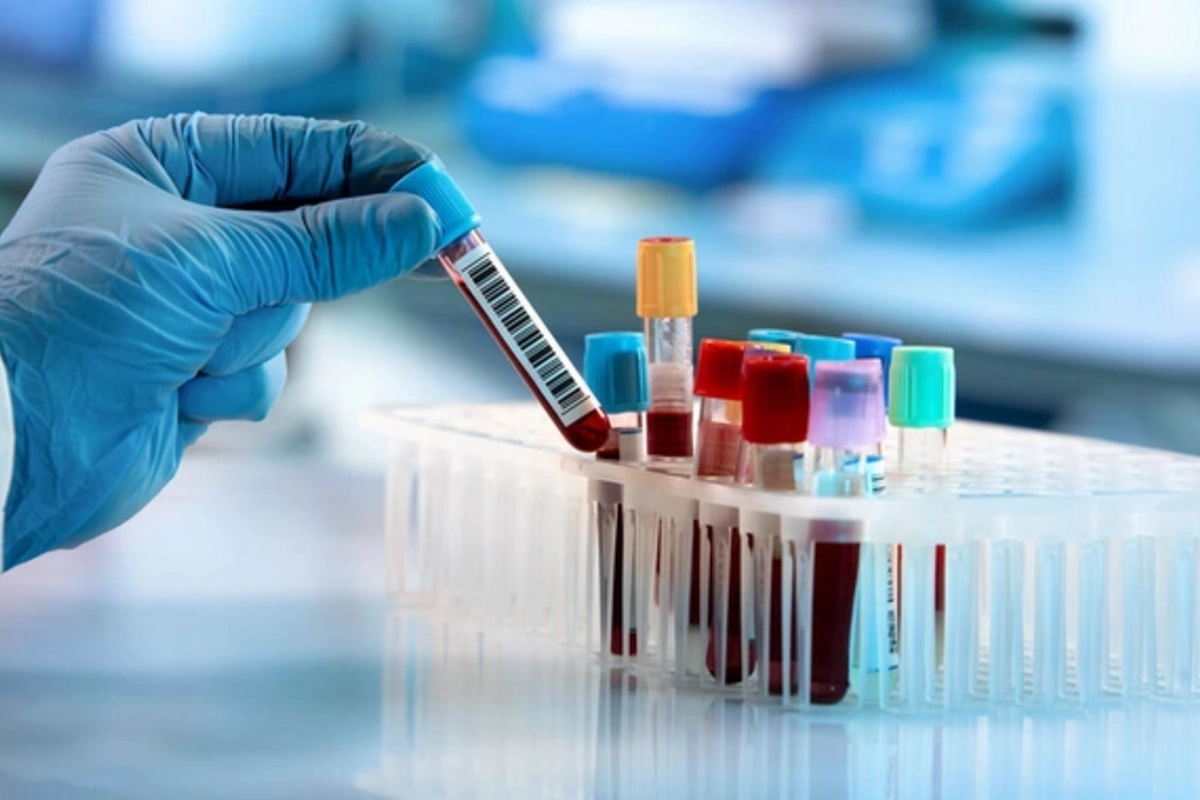
British scientists have made a breakthrough: a new blood test detects cancer cells with incredible accuracy. Researchers from the University Hospital of North Midlands have developed a method capable of detecting a single malignant cell among millions of healthy ones, which opens up new possibilities for early diagnosis of lung cancer. The results show exceptional sensitivity of the method and its enormous potential for timely detection of the disease.
As reported by TUT.AZ with reference to the journal Applied Spectroscopy, the revolutionary method is based on Fourier transform infrared microspectroscopy (FT-IR). This advanced technology allows identification of rare circulating tumor cells that break away from the main tumor and travel through the patient's bloodstream, which is critically important for understanding the metastasis process and evaluating the effectiveness of treatment.
The method is based on interaction with infrared radiation: different chemical compounds absorb light in a specific way, and malignant cells have a unique "chemical fingerprint." Modern computer algorithms analyze the obtained spectra and can detect even a single tumor cell among millions of normal blood cells.
Researchers note that traditional methods of detecting circulating tumor cells are often labor-intensive, require significant costs, and do not always provide reliable results, as cancer cells can change their characteristics while in the bloodstream. The innovative approach successfully overcomes most of these limitations.
An additional advantage of the development is its practicality: the analysis is performed on standard microscope slides already used in pathology laboratories worldwide. This significantly facilitates the process of implementing the method in everyday clinical practice and makes it more accessible to medical institutions.
The creators of the technology claim that in the near future, the method will significantly speed up diagnosis, reduce the need for invasive diagnostic procedures, and improve the selection of individualized treatment for each patient. The scientists' future plans include adapting the developed technology for diagnosing other types of oncological diseases.