





12 Nov , 21:33
0
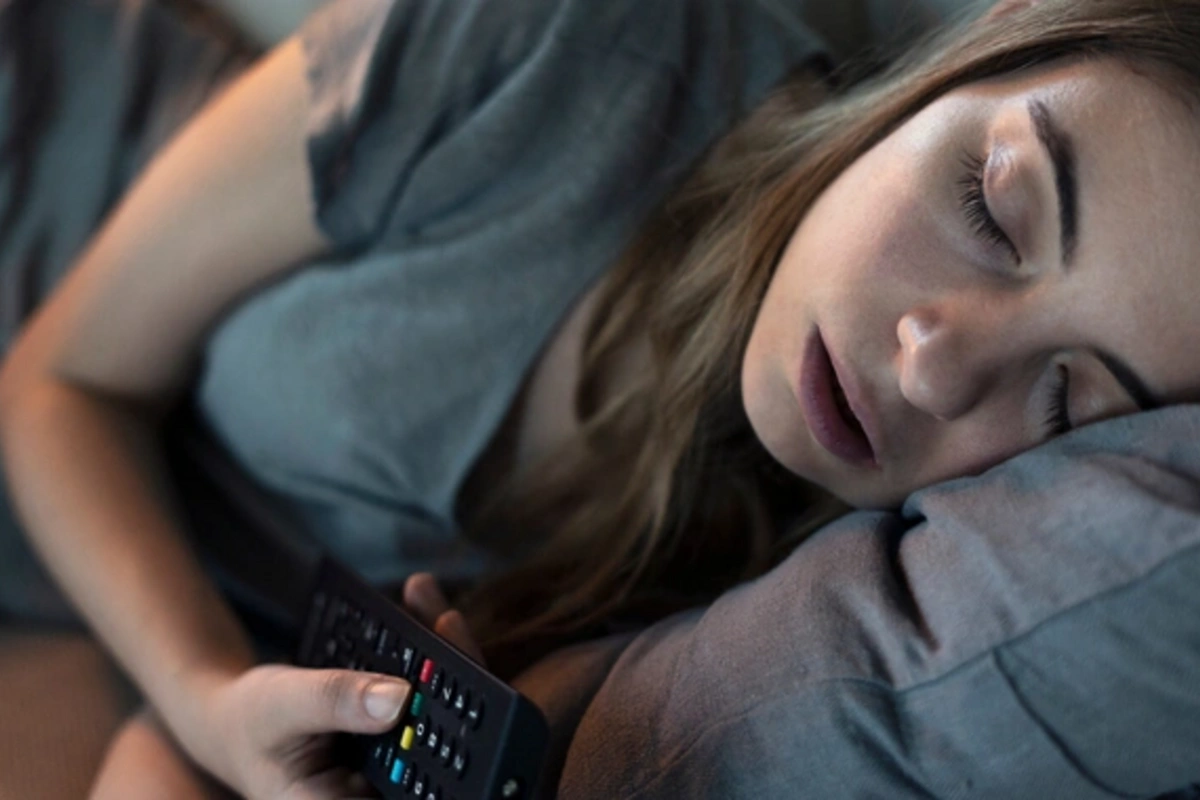
A chaotic sleep schedule has been found to be closely linked to depression, anxiety, and loneliness. This was discovered by scientists from the University of California, San Francisco and San Diego, who analyzed data from nearly 23,000 owners of Oura smart rings. The results of this large-scale study have been published in the journal Scientific Reports.
The TemPredict project involved 22,894 people from various countries around the world. The average age was 46, and women made up 43.5% of the sample. All participants wore an Oura ring — a compact wearable sensor that tracks moments of falling asleep and waking up based on pulse, movement, and finger temperature. Using this data, the researchers calculated a so-called sleep regularity index for each participant — a numerical measure of how consistent one's sleep schedule is from night to night. Perfect stability equals 100 points, while low values indicate a chaotic schedule. On average, each participant provided data covering 154 days of observation, spanning approximately seven months.
The numbers proved telling. People with severe depression had an average regularity index of just 74.93 — compared to 83.74 for those whose mental state remained normal. For anxiety, the gap was equally pronounced: 78.94 versus 83.67. Participants with a pronounced sense of loneliness showed an index of 81.79, while those not experiencing loneliness reached 83.75. Moreover, every five-point decrease in the index increased the odds of falling into a more severe category for depression or anxiety.
The relationship between sleep and mental health has been studied for a long time, but previously scientists focused primarily on sleep duration and quality. The regularity index has been studied extremely rarely, and loneliness in this context was virtually never considered. The authors of the study emphasize an important practical point: unlike total sleep duration, sleep regularity is something a person can control on their own — it is enough to stick to a fixed wake-up and bedtime. Smart rings and similar devices passively collect data and, through an app, can help users stabilize their schedule.