




12 Nov , 13:44
0
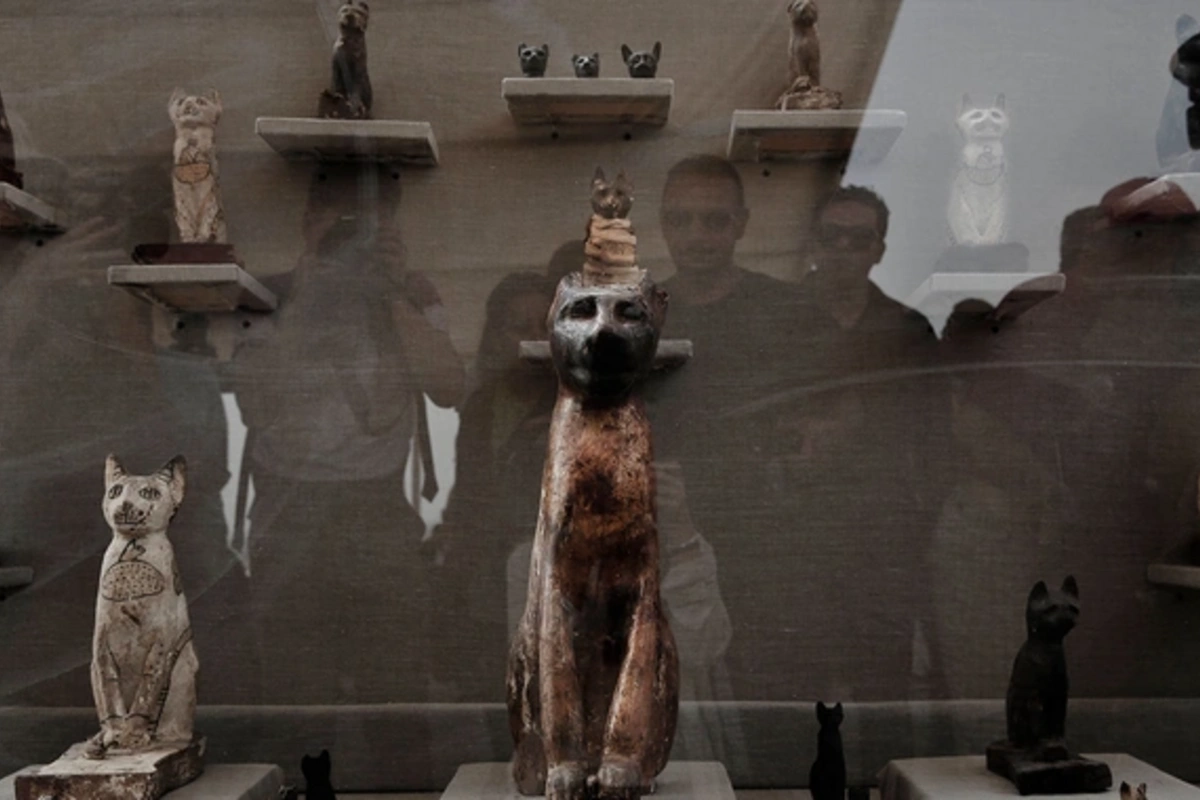
Despite the reverence for cats in Ancient Egypt, many of them may have lived in cramped conditions, suffering from infections, malnutrition, and injuries. This is the conclusion reached by researchers who studied 131 ancient Egyptian cat skulls from the collection of the Natural History Museum in Vienna (Austria). The results of the study were published in the Journal of Archaeological Science.
The age of the examined remains exceeds two thousand years. The scientists carefully analyzed each skull in search of damage, signs of disease, and other indicators that could shed light on the actual living conditions of ancient Egyptian cats.
The picture turned out to be alarming: pathological changes were found in 62% of the animals. The most common were dental development disorders and gum diseases, but in addition, the researchers documented healed fractures, bite marks, and bone deformities. Some cats were missing all their teeth entirely, and several skulls bore marks of serious injuries.
"Some of the injuries were likely inflicted by humans. Damage resembling marks from blows with sharp metal objects was found on the bones. Other marks may have resulted from fights between animals," the scientists reported.
According to the study's authors, such a widespread prevalence of diseases and injuries suggests that many cats were kept in confined conditions — possibly in spaces with large concentrations of animals. Such overcrowding could have promoted the spread of infections, led to nutritional deficiencies, and caused chronic stress.
The researchers suggest that some cats were deliberately bred for religious rituals and subsequent mummification. In Ancient Egypt, cats were considered sacred animals and were inextricably linked to the cult of the goddess Bastet. Their mummies were offered at temples as votive gifts.