









23 Dec , 15:27 2025
13
Scientists from Pusan National University have discovered that common household appliances can be a significant source of ultrafine pollutant particles capable of penetrating deep into human lungs. The research results have been published in the scientific journal Journal of Hazardous Materials (JHM).
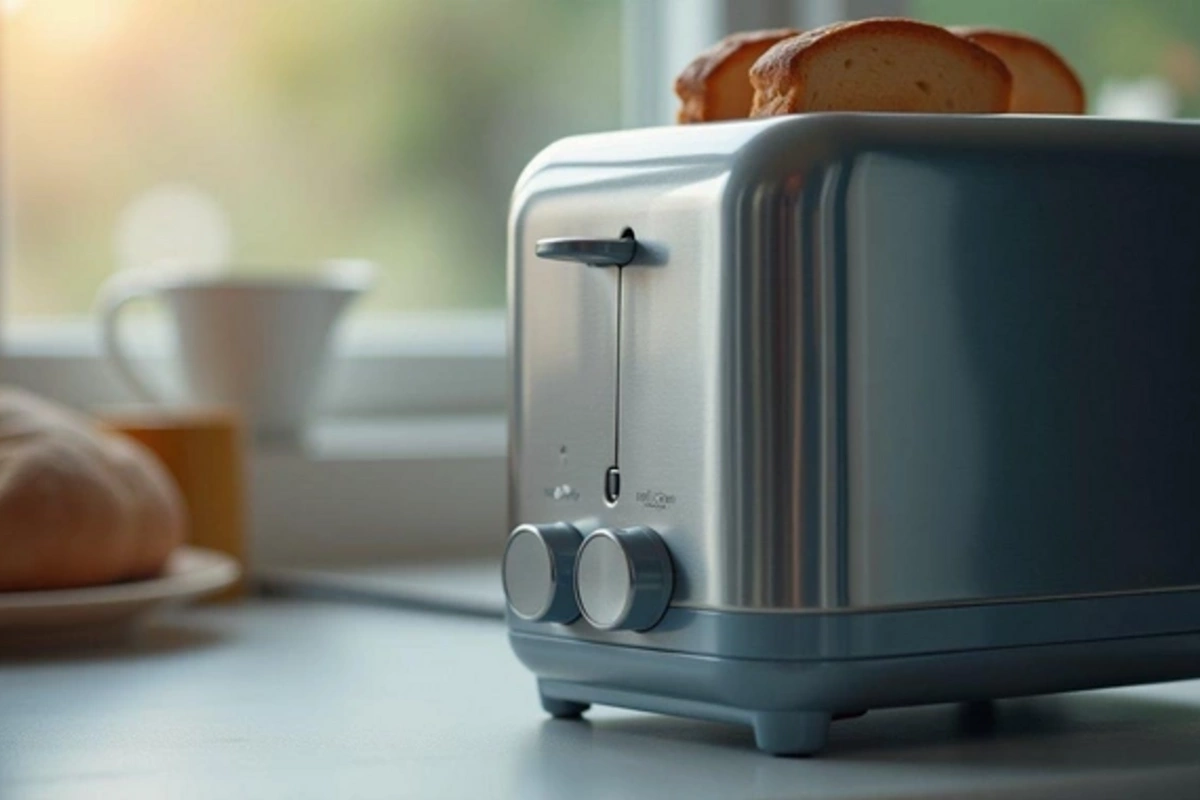
As reported by TUT.AZ, during thorough laboratory tests, researchers measured emissions of ultrafine particles (UFPs) during the operation of various household devices. The shocking results showed that an ordinary toaster with a pop-up mechanism became the record holder for pollution: even an empty appliance emitted a colossal 1.73 trillion particles per minute.
Significant emissions were also found in popular air fryers and hair dryers, with models featuring commutator electric motors proving to be especially "dirty". Notably, modern hair dryers with brushless motors demonstrate much better environmental performance, emitting 10-100 times fewer harmful particles.
Computer modeling revealed an alarming picture: microscopic pollutants bypass the protective barriers of the nasal cavity almost unhindered and penetrate into the deepest sections of lung tissue. Children are at higher risk due to the structural features of their respiratory system with narrower and more vulnerable airways.
Specialists were particularly alarmed by the chemical analysis of the detected particles: dangerous heavy metals – copper, iron, aluminum, and titanium – were found in their composition. According to scientists, the source of these substances are the heating elements and motor components of familiar household appliances.
Researchers emphasize that previous scientific studies have already established a link between exposure to ultrafine particles and an increased probability of developing serious diseases, including asthma, cardiovascular pathologies, diabetes, and chronic inflammatory processes.